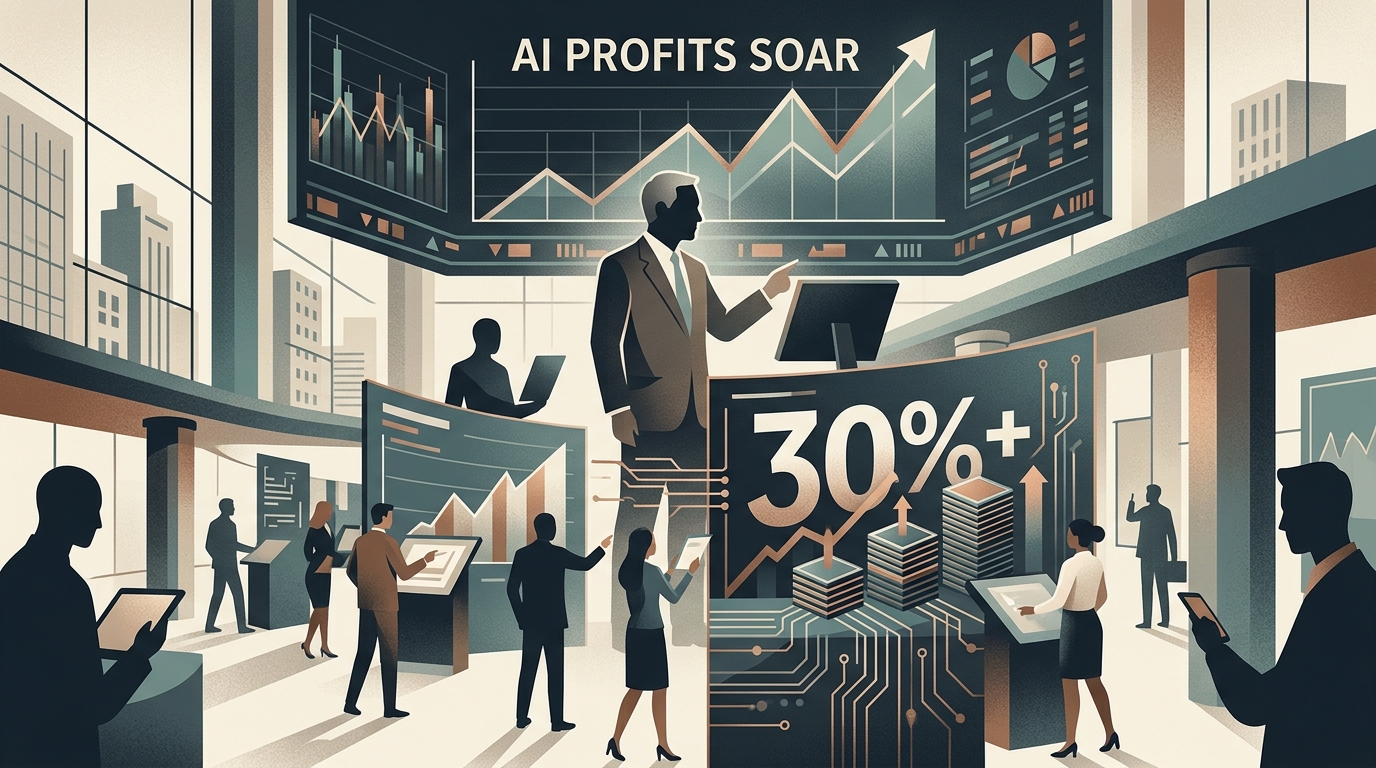
In a move that highlights the unprecedented financial strength of the semiconductor industry in the age of Artificial Intelligence, C.C. Wei, CEO of Taiwan Semiconductor Manufacturing Co. (TSMC), has announced a staggering increase of over 30% in profit-sharing and productivity incentives for the company's staff. This decision, coming at a time when TSMC is cementing its dominance as the sole manufacturer of the world's most advanced AI chips, is not merely a reward but a strategic defensive play against an intensifying global war for talent.
The Golden Age of Silicon and AI
TSMC stands at the epicenter of a technological revolution that many compare to the Industrial Revolution of the 19th century. With giants like Nvidia, Apple, and AMD queuing up for its foundry capacity, the company has seen its profit margins soar to historic levels. The transition to 2-nanometer (2nm) technology and the sustained demand for 3nm chips have rendered TSMC an indispensable link in the global supply chain.
However, success brings internal friction. Reports suggest that significant dissatisfaction had been brewing on internal forums and social media platforms, with employees feeling their compensation did not reflect the company's astronomical earnings. Recognizing that maintaining morale is vital for preserving technological leadership, C.C. Wei opted for a bold financial gesture. The 30% incentive hike represents one of the largest jumps in the company’s history, reflecting the need for stability in a period of geopolitical uncertainty.
The Talent War and the Geopolitical Chessboard
This move by TSMC does not occur in a vacuum. As the company expands its footprint beyond Taiwan—with new fabs in Arizona, Japan, and Germany—it faces a dual challenge: maintaining its high-performance culture at home while attracting specialized personnel in markets with vastly different labor standards. In Taiwan, TSMC is the "holy grail" of employers, but the pressure and working hours are notoriously grueling.
- The bonus increase serves as a "golden handcuff" for highly specialized engineers.
- It offsets inflation and the rising cost of living in Taiwan's tech hubs.
- It signals to shareholders that human infrastructure is as critical as ASML lithography machines.
"Our success is not measured only in nanometers, but in the dedication of the people who make the impossible possible every day," Wei stated in an internal memo.
Challenges and Future Outlook
Despite the pay hike, TSMC must manage the complexities of global expansion. Taiwanese employees are closely monitoring working conditions at the new overseas plants, where salaries are often higher but productivity levels have faced growing pains. The company’s leadership must balance the demands of local communities with the preservation of the "Taiwanese way" that propelled it to the top.
Furthermore, the AI industry is known for its cyclical nature. While profits are currently peaking, TSMC is preparing for the possibility of a market correction. However, with 2nm chips expected to enter mass production by 2025-2026, demand seems secured for the foreseeable future. Investing in human capital is perhaps the safest bet C.C. Wei can make right now, ensuring that the "nuclear engine" of the global economy continues to run smoothly.