In the heart of Italy, a nation perpetually balanced between its artisanal traditions and the necessity of industrial modernization, a voice from the pinnacle of the economic pyramid has sent shivers through the global business community. Leonardo Maria Del Vecchio, one of Italy's wealthiest individuals and a key executive at EssilorLuxottica, has offered an analysis that many describe as "disturbing" yet chillingly honest: companies today are effectively using their human capital to train the very systems destined to replace them.
This statement didn't arrive as a total surprise to tech analysts, but coming from a man steering a multi-billion dollar empire, it carries a unique weight. The issue is no longer whether Artificial Intelligence (AI) will transform work, but how the transition process itself turns employees into the unwitting architects of their own redundancy.
The Expert's Paradox
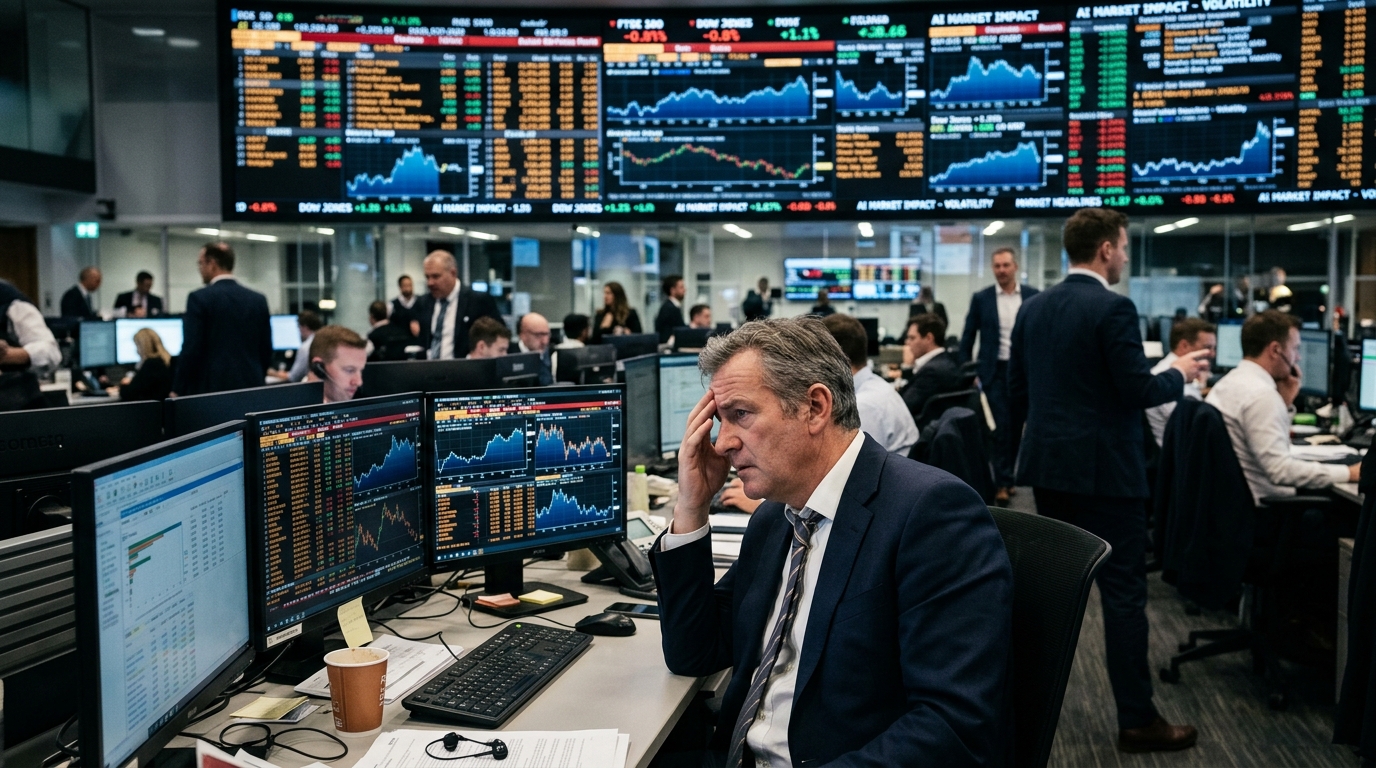
According to Del Vecchio’s perspective, we are in a phase of "knowledge cannibalism." Large corporations are deploying AI systems powered by the data generated by their current staff. Every email written, every line of code debugged, and every decision made by a seasoned professional serves as "fuel" for Large Language Models (LLMs). In essence, decades of human experience are being codified into algorithms, making human presence increasingly optional in the near future.
This phenomenon creates a profound ethical crisis. Workers, in their attempt to remain productive and adopt the new tools provided by management, are accelerating the process of their own displacement. It is a silent pact where the price of short-term efficiency is long-term unemployment. Del Vecchio emphasizes that this strategy, while financially orthodox for shareholders, is socially explosive.
The Illusion of Human-Machine Collaboration
Many corporations push the narrative of "Augmented Intelligence," arguing that AI will help humans become more creative. However, the Italian billionaire's critique exposes the cynical side of this story. When a machine can perform 80% of an average employee's tasks at 1% of the cost, "collaboration" quickly pivots to replacement.
- The transfer of knowledge from human to machine occurs without compensation for the worker’s "intellectual property."
- Companies reduce operational costs but increase the social costs of unemployment and skill obsolescence.
- Wealth concentration intensifies as the dividends of automation flow to technology owners rather than society at large.
In Italy, where family-run businesses and personal relationships with employees form the backbone of the economy, this cold, algorithmic approach is particularly jarring. Del Vecchio seems to realize that if the social contract between capital and labor is severed, the consequences will be unpredictable and potentially violent for the established order.
Toward a Digital Humanism?
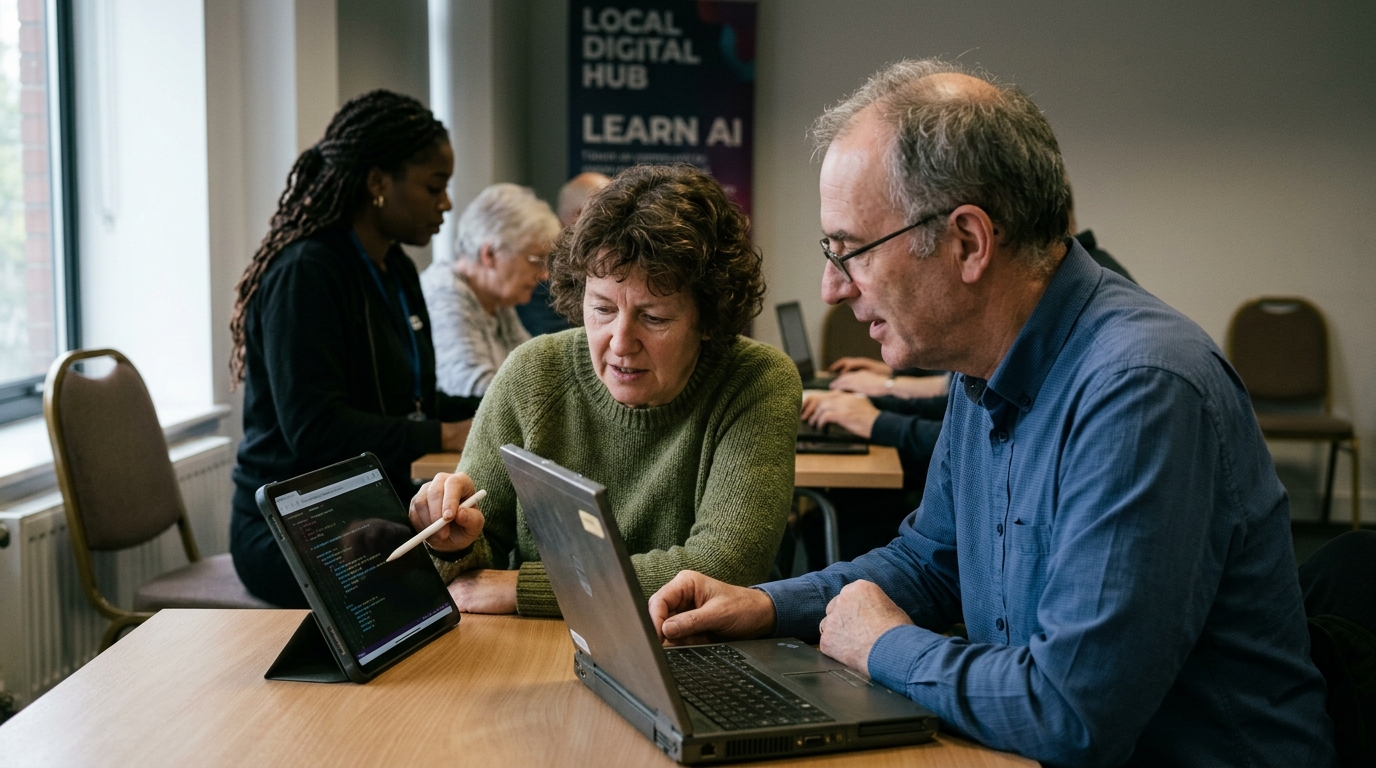
The question arising from these "disturbing" observations is whether an alternative path exists. Del Vecchio isn't suggesting a rejection of technology—that would be utopian and economically suicidal. Instead, his critique calls for a re-evaluation of how we integrate AI into our lives. We need a new framework of "Digital Humanism," where technology serves human evolution rather than human marginalization.
"We cannot allow progress to become the executioner of social cohesion," seems to be the underlying message of his warning.
The challenge for governments, especially within the European Union, is to establish regulations ensuring the benefits of AI are distributed fairly. This could include robot taxes, massive retraining programs for skills AI cannot replicate (such as empathy and complex ethical judgment), or even employee profit-sharing schemes based on automation-driven gains.
In conclusion, Del Vecchio’s warning serves as a necessary dose of realism in an era of tech-utopianism. If we continue to train our replacements without planning for the future of human labor, we risk building a world with magnificent technology but no place for the humans who built it. The "disturbing" truth is that the clock is ticking, and the very hands moving it are our own.