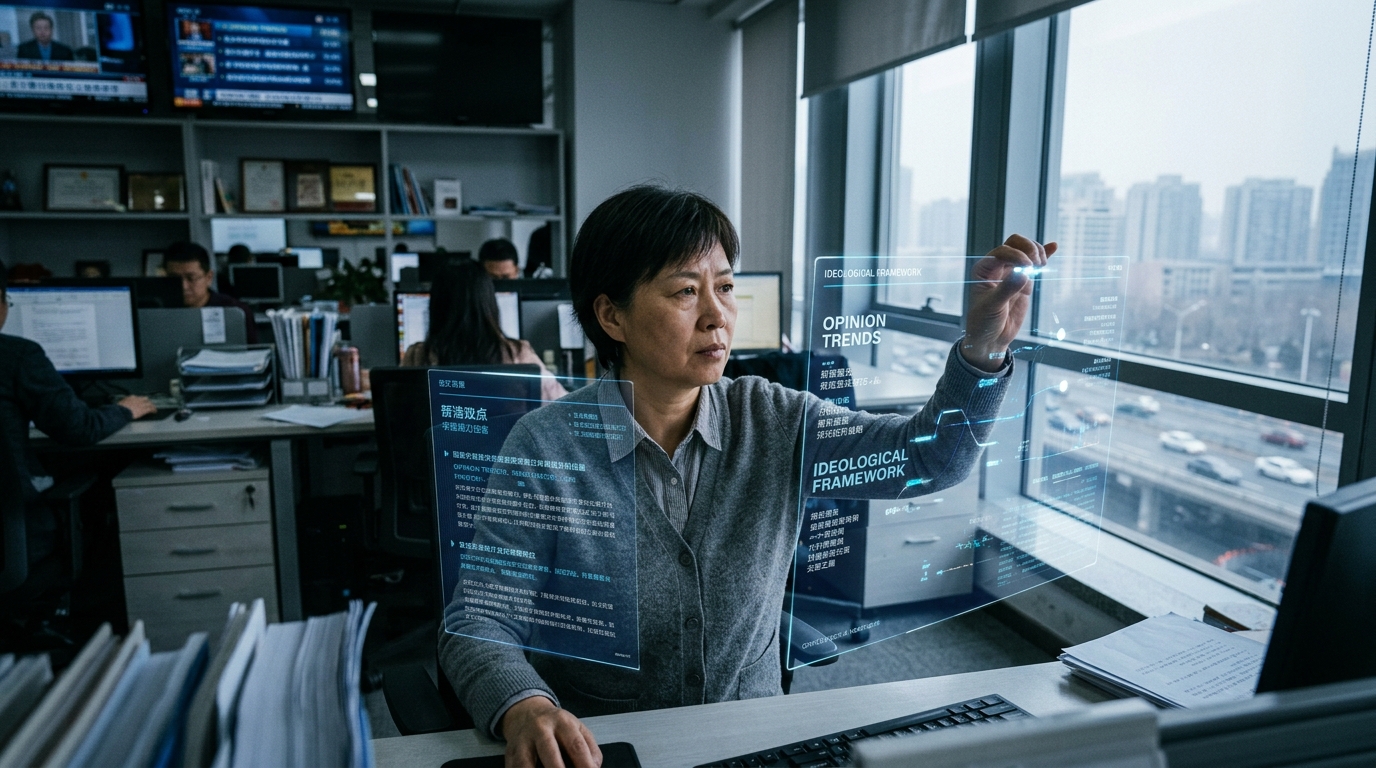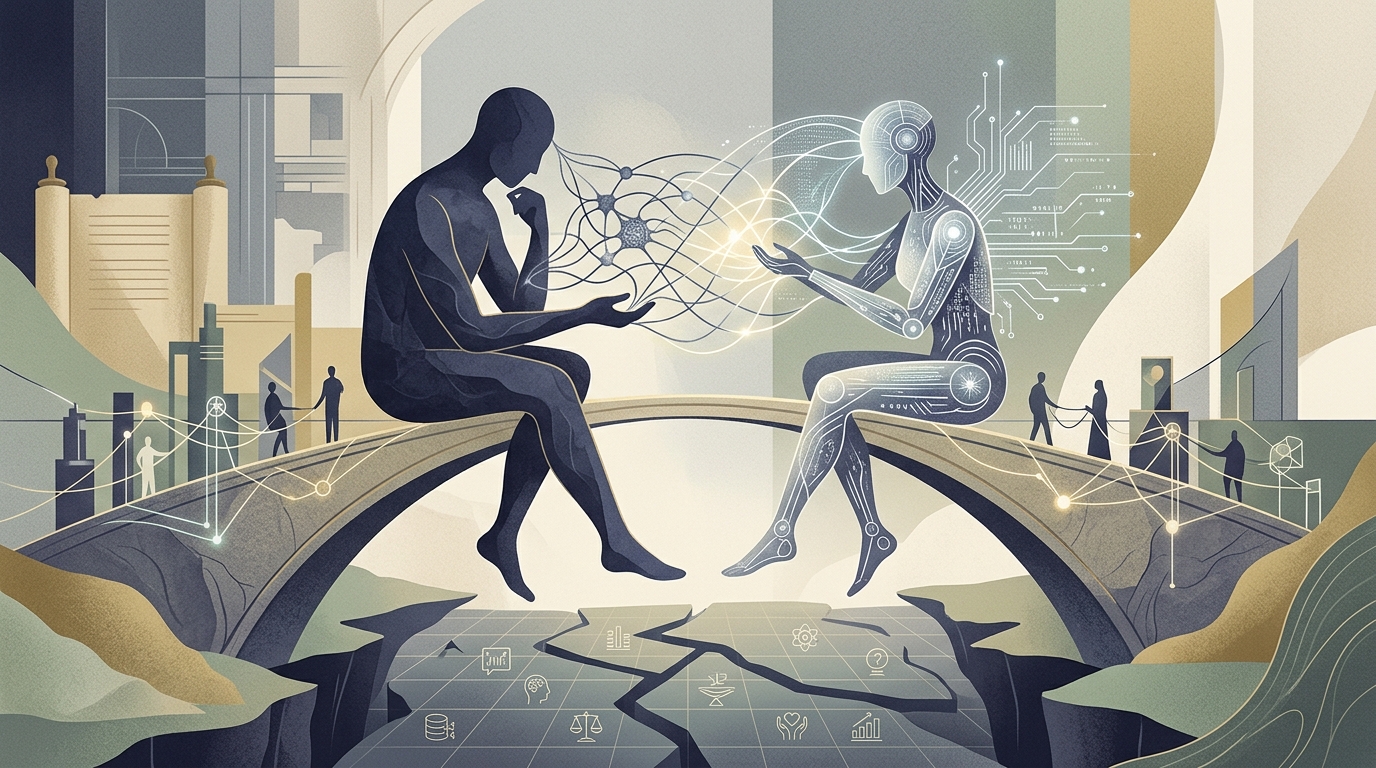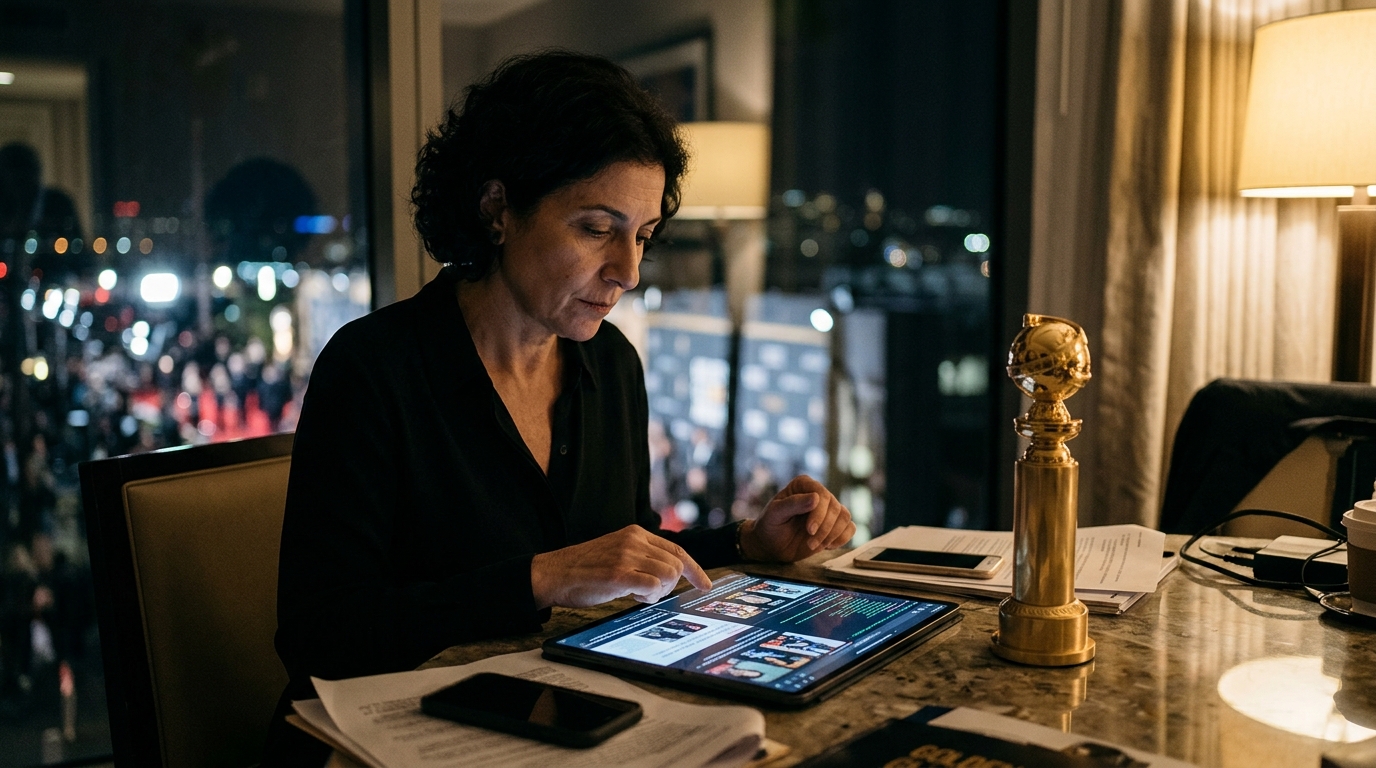
The glamour of Hollywood, traditionally intertwined with human ingenuity and emotion, finds itself today at a historical crossroads. The Golden Globes, an institution that often foreshadows trends in the film industry, are no longer just a celebration of acting prowess, but also the battlefield of an existential struggle: Human versus Artificial Intelligence. The discussion sparked by recent ceremonies and industry reactions is not just about technology, but about the very essence of creation.
The Legacy of the Strikes and the New Status Quo
To understand the significance of AI's presence at the Golden Globes, we must look back at the major strikes by the Writers Guild of America (WGA) and the Screen Actors Guild (SAG-AFTRA). It was the first time an entire industry ground to a halt not just over economic demands, but for the protection of "human identity." The agreements reached laid the groundwork, but their practical implementation remains a thorny issue. At the Golden Globes, the atmosphere is often charged with this anxiety. Creators wonder: Can an algorithm write a speech that will move millions? Can a digital representation convey pain or joy with the same intensity as a flesh-and-blood actor?
Artificial Intelligence is no longer a science fiction scenario we see on our screens; it is the tool used in editing, color correction, and even de-aging veteran stars. However, the red line remains the "creative spark." The Golden Globes, as an institution, are called upon to decide whether they will reward the technical perfection of an AI system or whether they will remain faithful to the anthropocentric nature of art.
The Ethics of Digital Representation
One of the most burning issues discussed behind the scenes at recent events is the use of "digital twins." The ability of studios to create faithful replicas of actors, which can "perform" in films even after their death or without their physical presence, raises massive ethical questions. Who owns the "soul" of a digital idol? The Golden Globes, by awarding the best performances, face a paradox: What happens if a nomination concerns a performance that is the product of a collaboration between human and machine?
- Protecting actors' image rights from unregulated AI use.
- Transparency in the use of algorithms in screenwriting.
- Preserving authenticity in artistic expression.
- The risk of homogenizing the cultural product due to the use of past data.
The ethical dimension extends to the audience as well. The public's acceptance of a film is based on empathy. If the viewer knows that the tear they see on screen is the result of a mathematical calculation and not an actor's internal process, the connection breaks. This "alienation" is the greatest fear of traditional filmmakers.
The Future: Collaboration or Replacement?
Despite the fears, there is another side. Many creators see AI as a "super-tool" that can liberate imagination from the constraints of budget and physical reality. At the Golden Globes, we saw films that used technology to tell stories that would previously have been impossible to capture. The challenge for the next decade is coexistence. The industry must find a way to incorporate innovation without sacrificing the creator.
"Technology can copy the form, but never the intent. Art is intent," one of the event's winners recently stated, encapsulating the core of the problem.
In conclusion, the Golden Globes are no longer just a showcase of glamour, but a mirror of a society struggling to define what it means to be human in the age of machines. Cinema, the most technologically dependent of all arts, will be the first to provide the answer. And this answer will define our culture for generations to come.