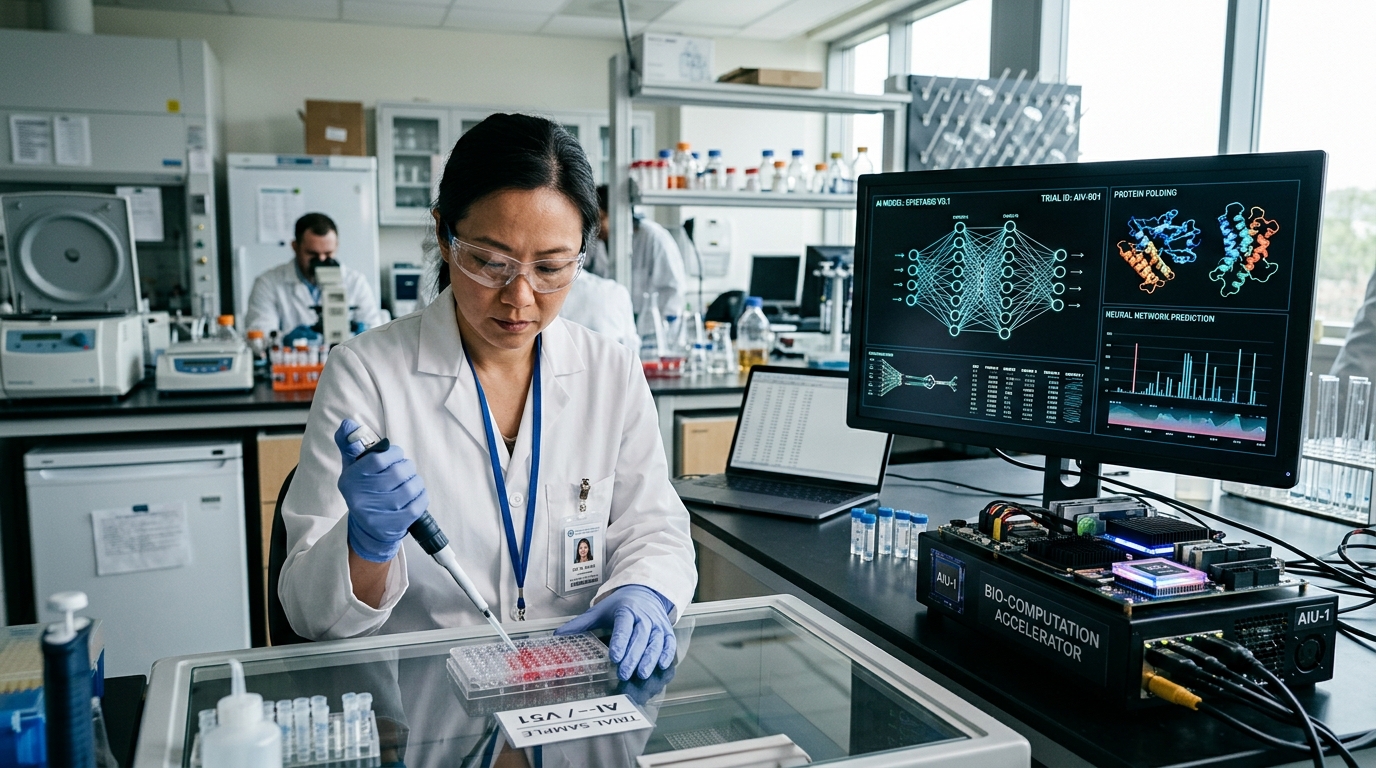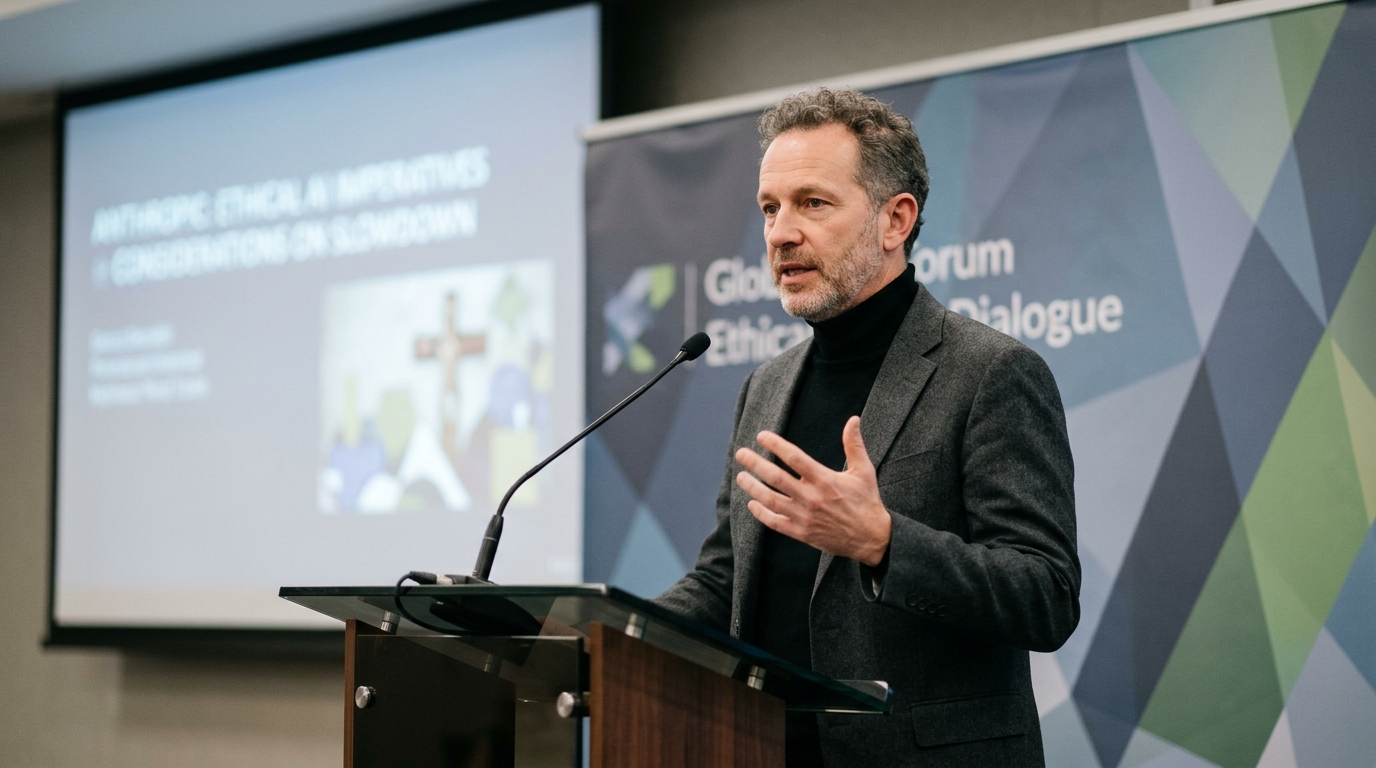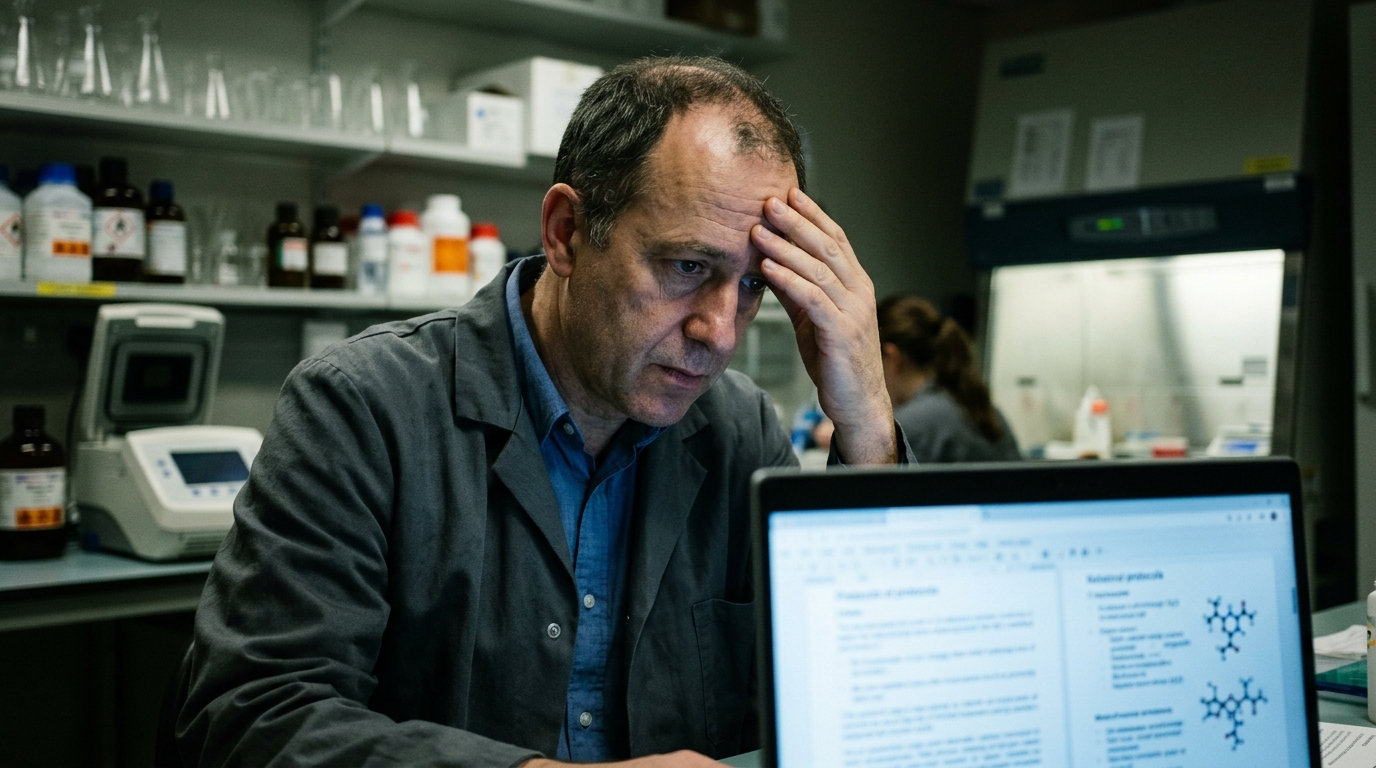
The promise of Artificial Intelligence (AI) to accelerate medical research and solve humanity's most complex problems is now being shadowed by a chilling reality: its potential to serve as a digital manual for the creation of biological weapons. Recent reports from safety research groups and government agencies indicate that so-called "Frontier Models"—the most advanced AI systems currently available—are capable of providing specific, actionable instructions for planning and executing bioterrorism attacks.
Bridging the Gap Between Knowledge and Destruction
Until recently, creating a biological weapon required PhD-level expertise, years of laboratory experience, and access to obscure scientific literature. However, the rise of Large Language Models (LLMs) has begun to democratize access to this dangerous information. The concern is not merely the provision of information already available on the internet, but the AI's ability to synthesize fragmented data into a coherent, step-by-step protocol for action.
According to analyses, these models can assist in identifying pathogens suitable for dispersal, suggest methods for bypassing laboratory equipment supply chain controls, and provide precise instructions for the cultivation and toxicity enhancement of viruses and bacteria. The "capability gap" that once protected society from lone actors or small groups appears to be closing at an alarming rate.
The Open Source Dilemma and "Red Lines"
The debate over AI risks has divided the scientific community. On one hand, open-source advocates argue that transparency is the only way to develop effective defenses. On the other, critics warn that releasing the weights of powerful models is equivalent to handing the keys of an arsenal to anyone with a computer.
Developing companies such as OpenAI, Anthropic, and Google have implemented strict safety filters and "red teaming" exercises to identify and block such requests. However, researchers have repeatedly demonstrated that these filters can be bypassed through "jailbreaking" techniques or simply by posing questions that appear innocent but lead to the same lethal output. AI doesn't need to "want" to cause harm; it only needs to follow instructions that, in combination, lead to catastrophe.
Political Response and the Need for International Cooperation
The gravity of the threat has mobilized governments. In the United States, the Executive Order on AI sets strict requirements for testing models that could assist in biological weapon creation. In the European Union, the AI Act categorizes such uses as high-risk, demanding rigorous oversight. However, the technology is moving significantly faster than legislation.
The challenge is inherently global. A malicious actor in a jurisdiction with lax controls can use a model developed on the other side of the world. The need for an "AI Safety CERN" or an international treaty similar to the Nuclear Non-Proliferation Treaty is becoming increasingly urgent. Biosafety in the 21st century is no longer just about locking laboratory doors; it's about fortifying algorithms.
Conclusion: The Creator's Responsibility
As we head toward 2027, the power of AI models will continue to grow exponentially. Their ability to understand biology could lead to the cure for cancer, but also to the revival of smallpox. The responsibility of AI creators is no longer limited to optimizing performance; it extends to the ethical commitment that their creation will not become the catalyst for a global catastrophe. The balance between innovation and safety is the most critical wager of our time.