In the heart of Silicon Valley, a courtroom has been transformed into a battlefield for the soul of technological progress. Elon Musk’s lawsuit against OpenAI and Sam Altman is not merely a dispute between former partners; it is the first time the legal system has been called upon to define what "benefiting humanity" means in the age of algorithms. As the trial proceeds in 2026, the revelations coming to light are overturning assumptions about how non-profit organizations transition into commercial titans.
A Conflict of Visions: From Altruism to Commercial Dominance
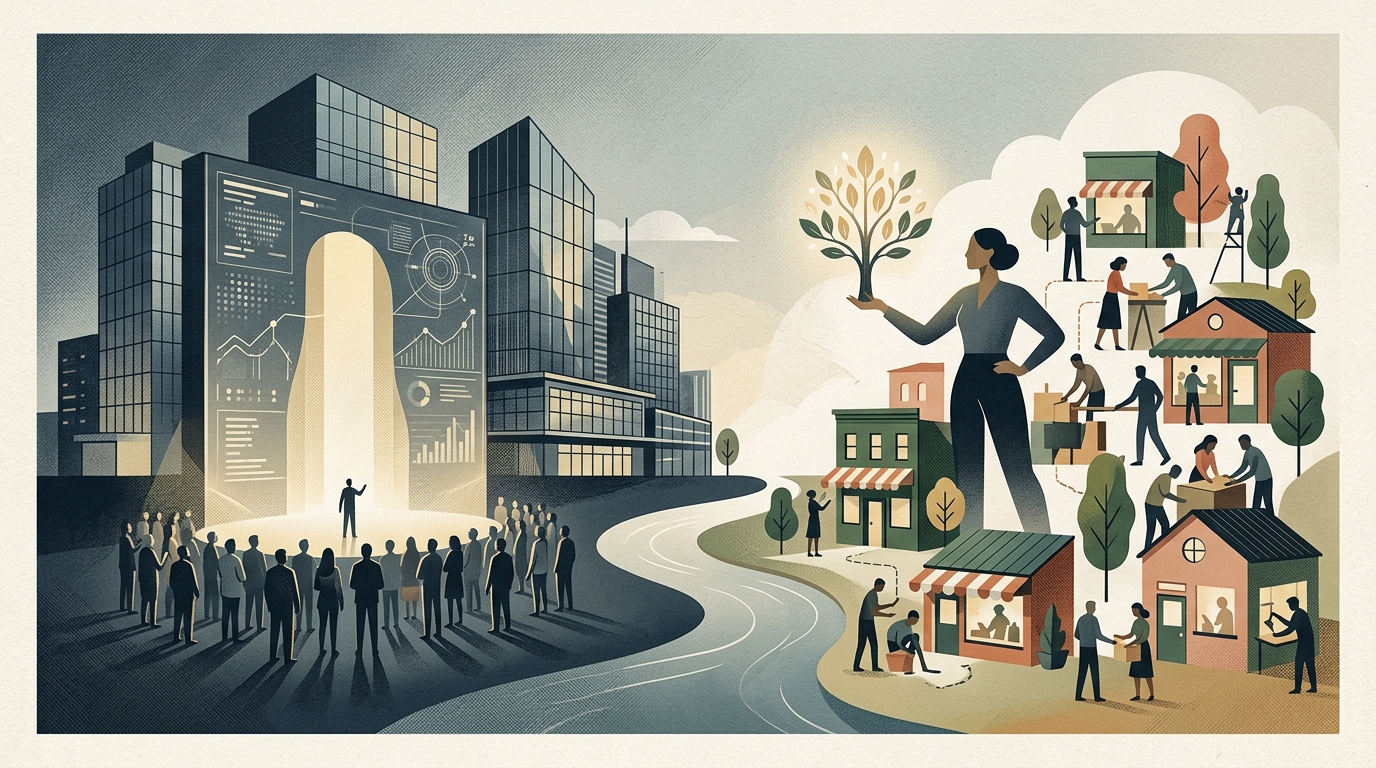
The core of the dispute lies in OpenAI’s founding in 2015. Musk, one of the original backers, contends that a "Founding Agreement" existed, stipulating that the company would remain non-profit and its technology would be freely available to the public (open-source). The transition of OpenAI into a "capped-profit" model and its tight integration with Microsoft constitute, according to Musk, a betrayal of that vision.
For its part, OpenAI maintains that no formal written agreement ever existed and that Musk is attempting to take revenge on the company because he failed to absorb it into Tesla years ago. OpenAI’s lawyers have presented internal emails showing that Musk himself had accepted the need for massive capital, which only a commercial structure could attract. However, the question remains: can an entity that started with donations for the public good lock its technology behind billion-dollar paywalls?
The AGI Enigma and Microsoft’s Shadow
One of the most critical points of the trial is the definition of Artificial General Intelligence (AGI). According to OpenAI’s charter, Microsoft’s license to the company’s technology expires once AGI is achieved. Musk argues that GPT-4 and its successors already constitute early forms of AGI, and therefore OpenAI is obligated to terminate its exclusive partnership with Microsoft and make the code open-source.
- Microsoft has invested over $13 billion, effectively gaining control over the infrastructure.
- OpenAI claims that AGI is a future milestone requiring further safety guardrails.
- Regulators in the US and EU are watching closely, as the decision could trigger antitrust sanctions.
The legal proceedings have also exposed the tension within the board of directors. Testimonies suggest that the firing and rehiring of Sam Altman in 2023 was the result of a deep rift between those prioritizing safety and those pushing for faster commercial deployment.
Implications for the AI Ecosystem
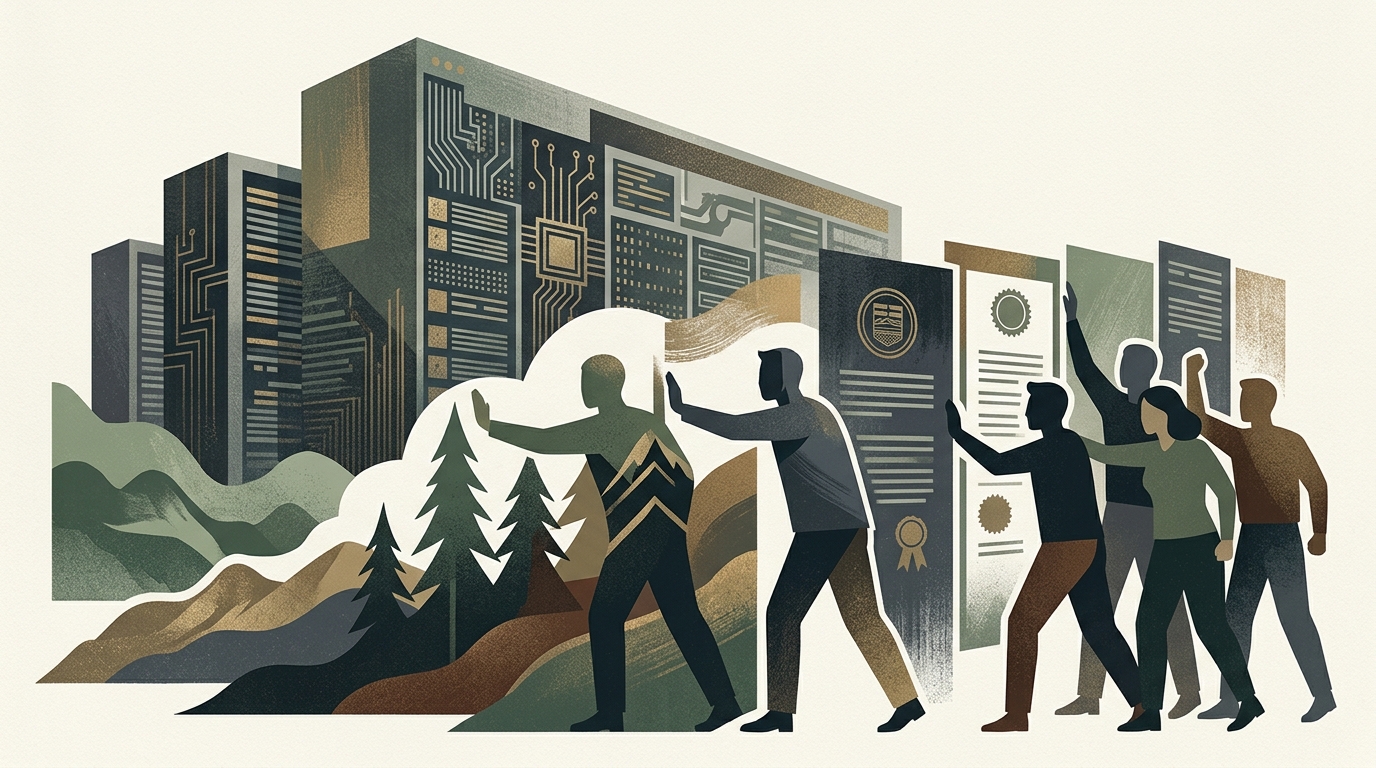
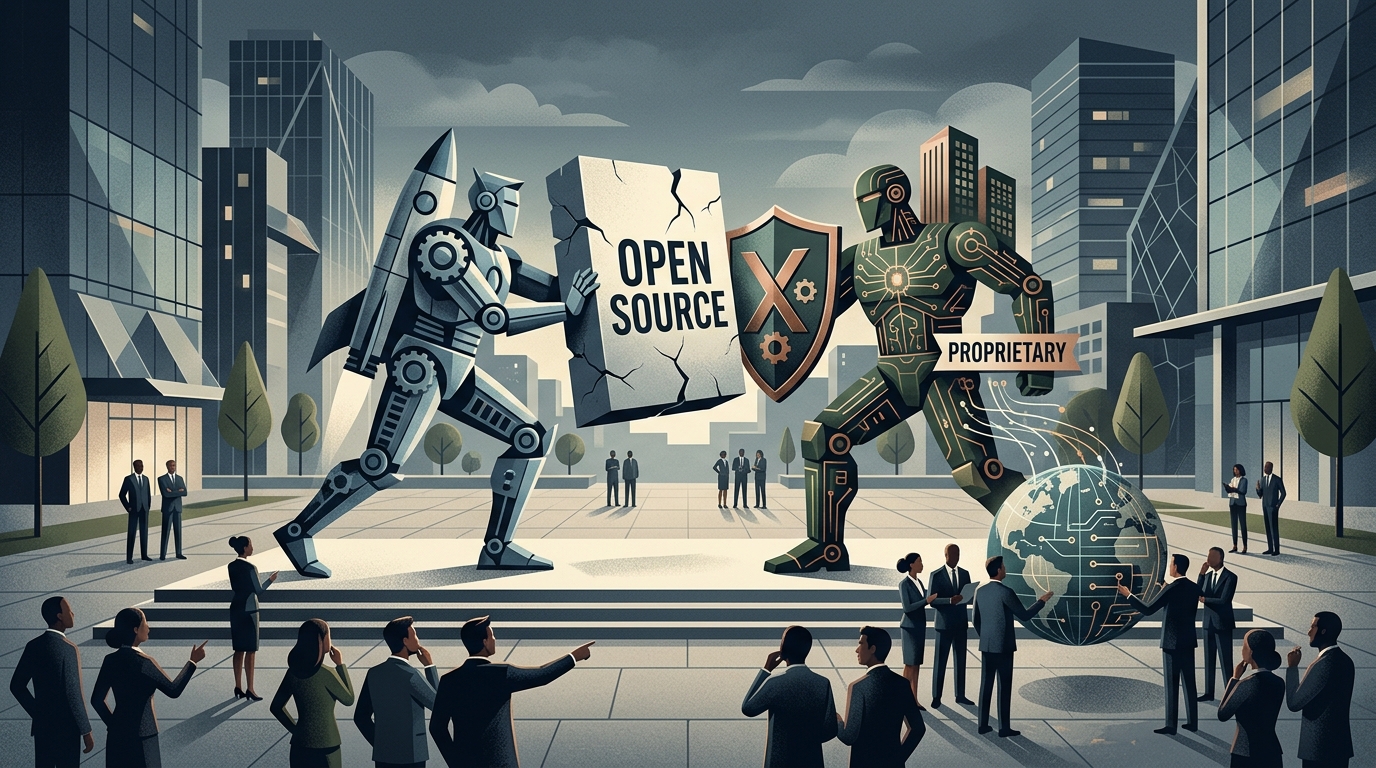
Regardless of the final verdict, this trial has already shifted the landscape. The rise of the "Open Source AI" movement, led by Meta and Musk’s own xAI, is gaining ground as a counterweight to OpenAI’s closed model. Investors are now questioning whether the legal commitments of AI startups are strong enough to withstand market pressures.
"We are not just putting a company on trial; we are putting on trial the idea that intelligence can be privatized," stated one of Musk's legal advisors outside the courtroom.
Ultimately, the court's decision will set a precedent for how future cutting-edge technologies are handled. If Musk prevails, OpenAI may be forced to radically restructure. If he loses, the path to the total commercialization of AI will be definitively open, with Microsoft solidifying its position as the undisputed sovereign of the new digital era.