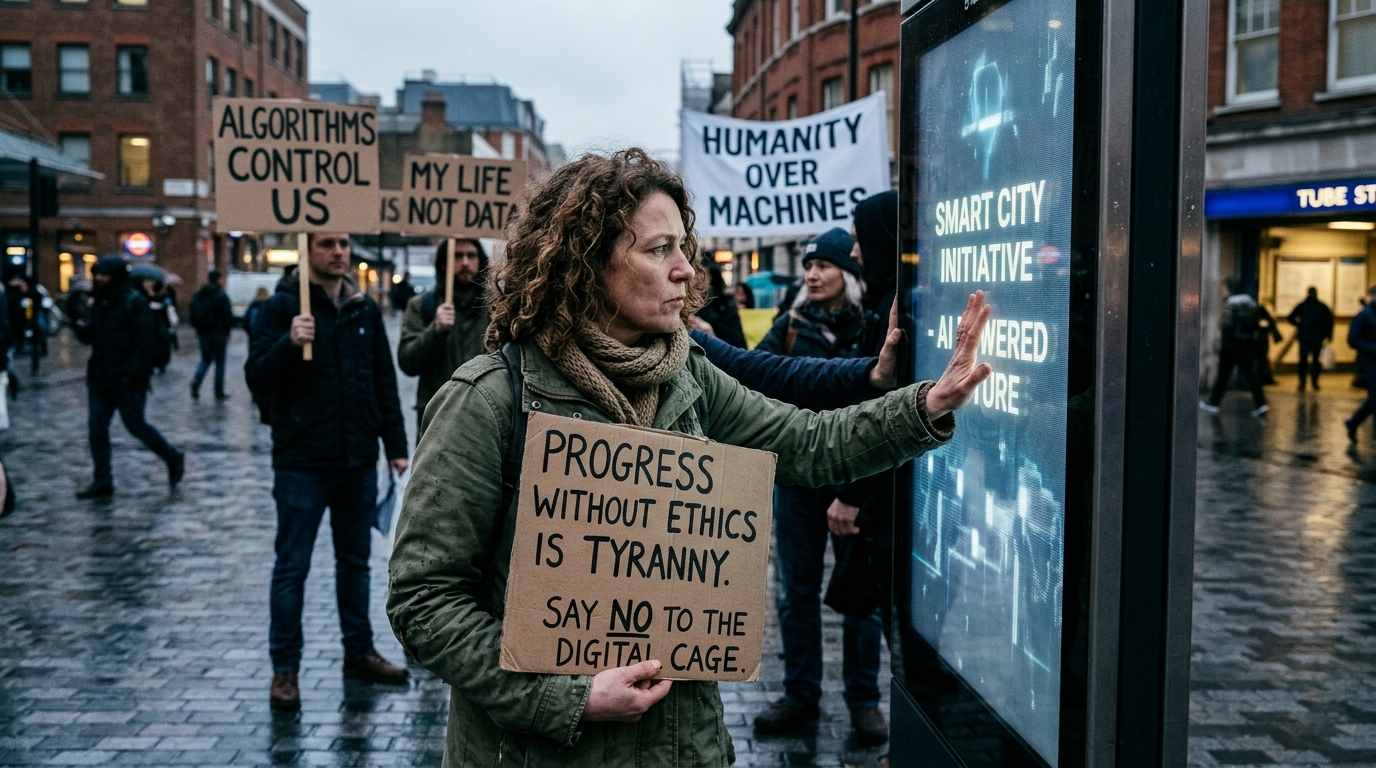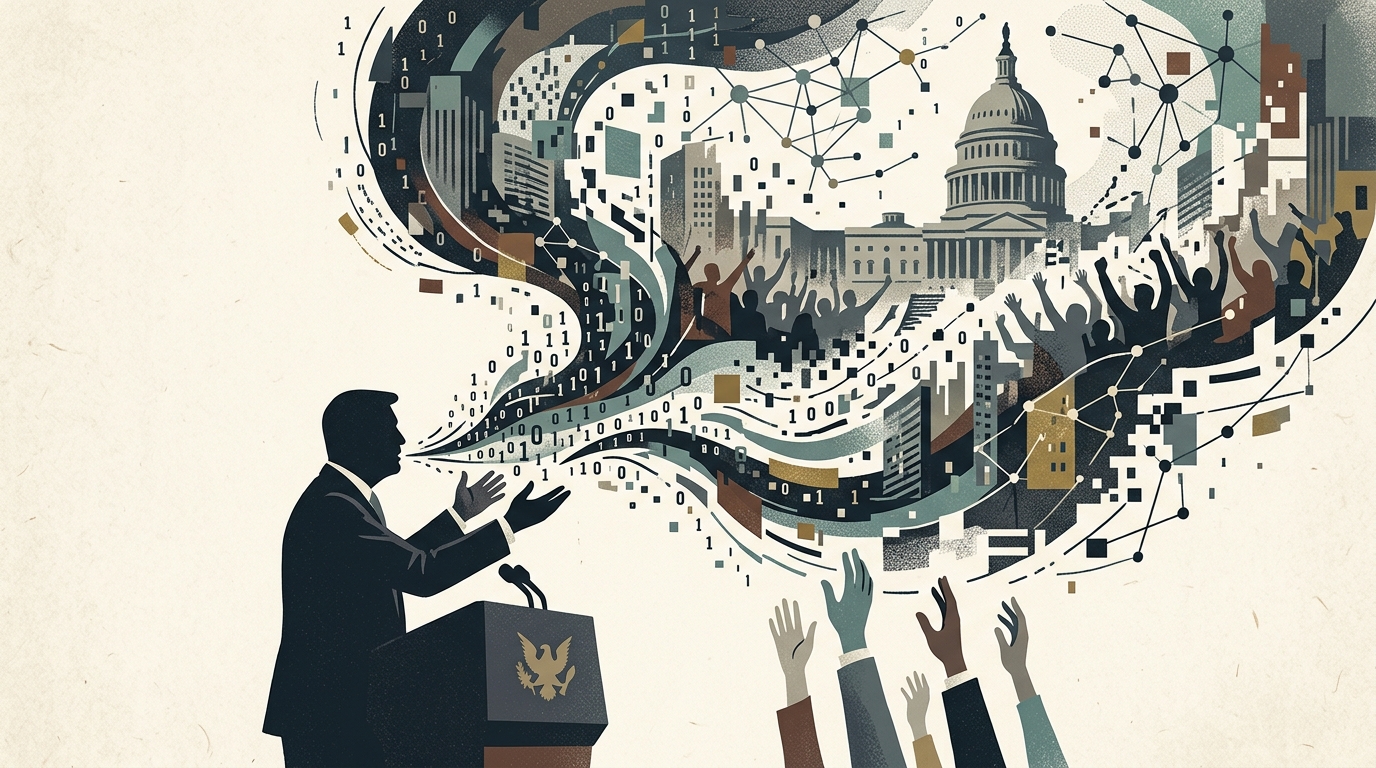
At the heart of the Fourth Industrial Revolution, where Artificial Intelligence (AI) is presented as the ultimate productivity tool, an unexpected trend is emerging from the workplace. According to a recent survey by CNBC, 65% of workers admit to having consciously avoided using AI tools for reasons related to ethics, the environment, and privacy. This finding stands in stark contrast to the aggressive promotion of the technology by tech giants and corporate management, revealing a deep rift between corporate strategy and human conscience.
The Ethics of Replacement and the Identity Crisis
For many workers, using AI is not just a technical choice, but an ethical decision. Concern over job displacement remains the dominant factor. Many feel that by using these tools, they are essentially training their future replacement. The ethical dimension also extends to the quality of work: there is a growing fear that the acceptance of AI leads to the dehumanization of tasks, turning the worker from a creator into a mere curator of algorithmic outputs.
- Bias Concerns: Workers fear that algorithms reproduce racial, gender, and social biases.
- Loss of Authenticity: The feeling that work loses its "soul" when the machine intervenes.
- Professional Ethics: Many sectors, such as journalism and law, face internal conflicts over where assistance ends and plagiarism begins.
The Often Silent Environmental Cost
One of the most interesting aspects of the survey is the emergence of environmental concerns. While AI is often presented as a "clean" technology, the reality of data centers is different. Training a single large language model requires massive amounts of electricity and millions of liters of water to cool the systems. Workers who are sensitive to climate change issues are beginning to link their digital footprint to real ecological destruction. In an era where companies are pushing for green policies, the use of energy-intensive AI tools looks like hypocrisy in the eyes of many employees.
"We can't talk about sustainability in the office and at the same time use tools that consume the electricity of an entire city just to write an email," one survey participant noted.
Privacy and the Data "Black Box"
Data security is the third major thorn. Experience has shown that information entered into public AI tools, such as ChatGPT, is often used for further training of the models, making it vulnerable. Workers worry that using these tools could expose sensitive corporate secrets or personal customer data. The lack of transparency from tech companies regarding how data is stored and used creates a climate of distrust. Without clear guarantees and legal frameworks, 65% choose the safe path of abstinence, preferring traditional work methods that ensure control of information.
The Need for a New Social Contract
The conclusion of the CNBC survey is not that workers are technophobic, but that they are thoughtful. The uncritical adoption of AI is meeting resistance because it touches on fundamental values of human existence and work. To bridge this gap, businesses must stop treating AI as a simple software upgrade and see it as a deep social change. Transparency, ethical guidance, and, above all, the participation of the workers themselves in shaping the rules of use are required. The "silent resistance" is a warning: technology without a human-centric orientation is doomed to encounter obstacles, no matter how powerful it may be.