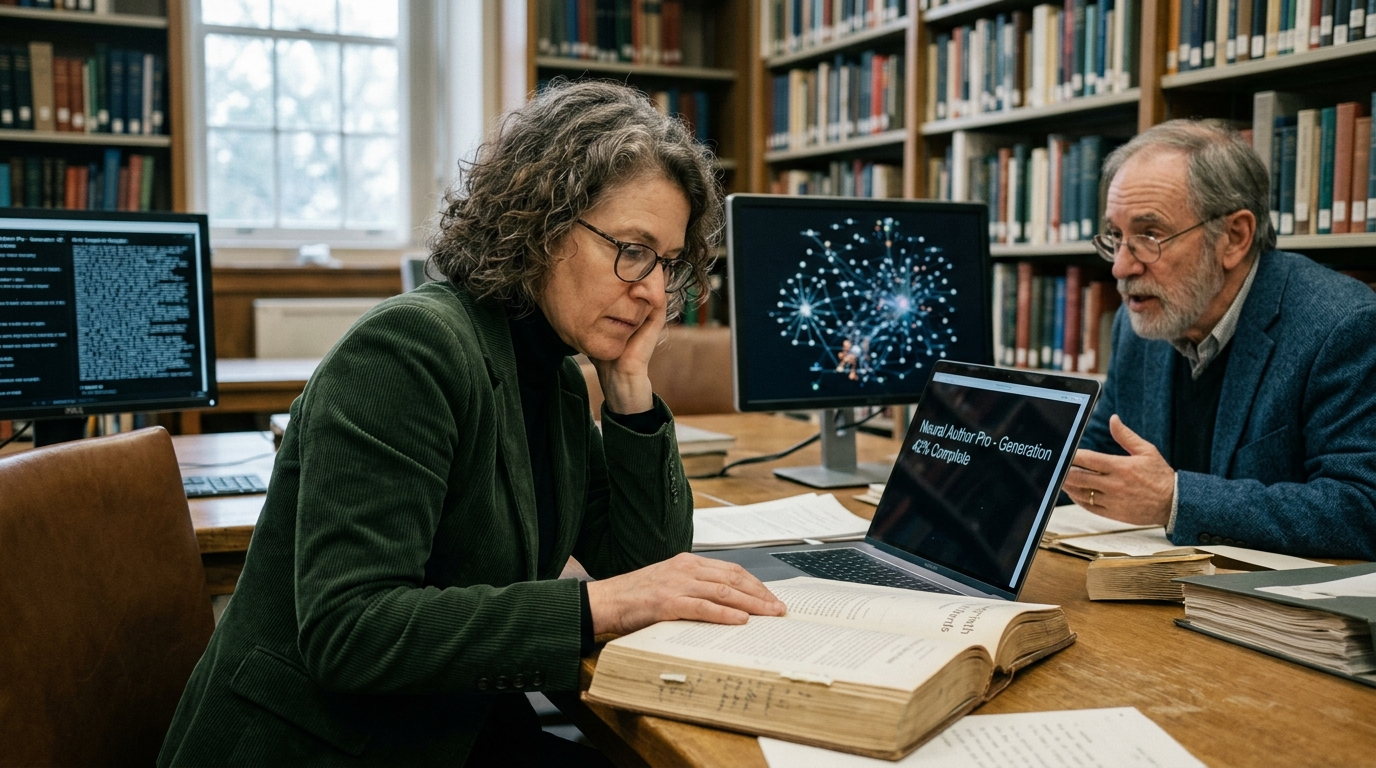
The book publishing industry, one of the oldest and most traditional pillars of human civilization, is currently facing what many describe as an "existential threat." The rapid rise of Generative AI is no longer just affecting the tech sector; it is violently intruding into the sanctum of literary creation. From the writing of entire novels via prompts to automated cover design and text-to-speech conversion for audiobooks, the publishing world is undergoing a reckoning for which few were prepared.
The Intellectual Property Battleground and 'Scraping'
At the heart of the conflict lies the method by which Large Language Models (LLMs), such as OpenAI’s GPT-4 and Anthropic’s Claude, were trained. To acquire the ability to write with a human-like flair, these models "consumed" vast quantities of digitized books, often without the consent of creators or publishers. The use of datasets like the notorious "Books3," which contained thousands of pirated copies of works by famous authors, has ignited a series of legal battles in the US and Europe.
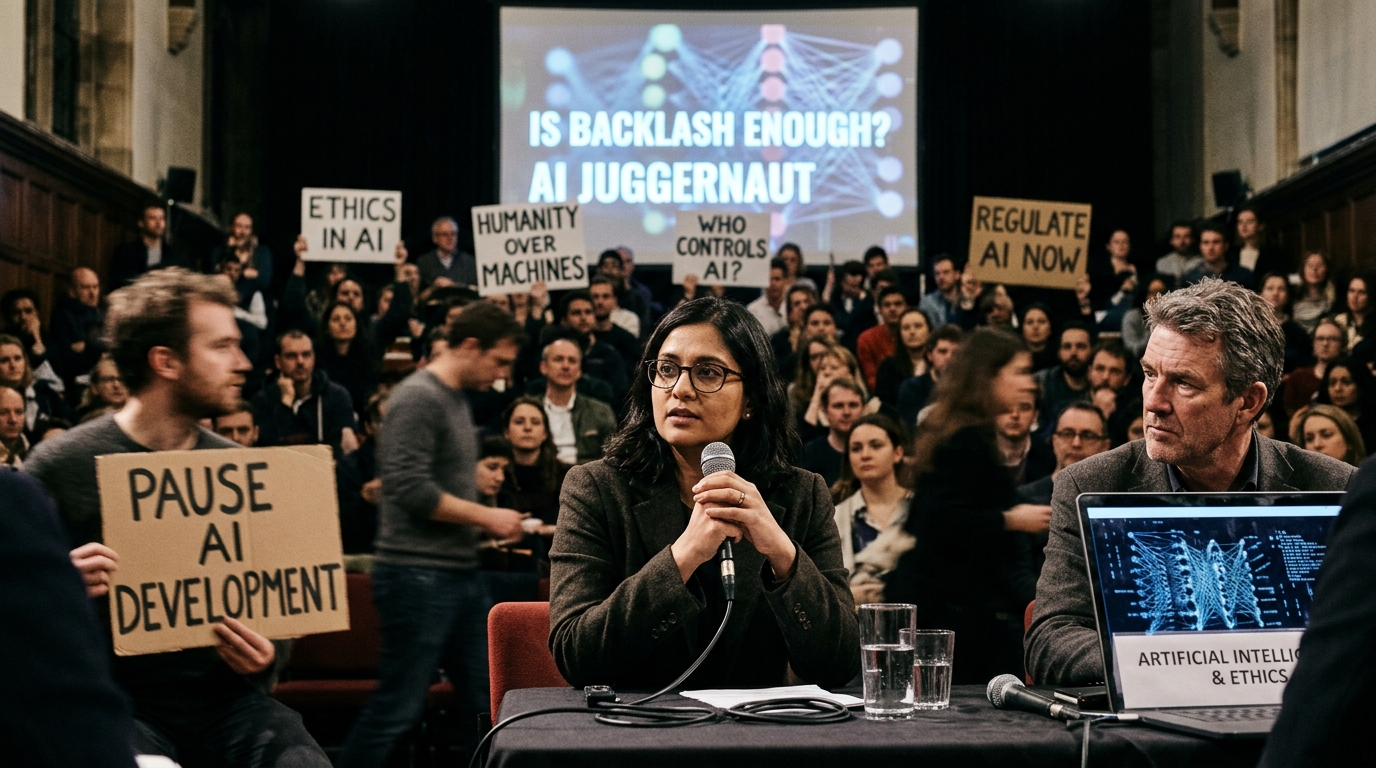
Authors like George R.R. Martin and John Grisham have taken legal action, arguing that AI is a "high-tech plagiarism machine." The argument is simple yet powerful: if the machine produces text based on the work of thousands of humans without compensation, the very foundation of professional writing collapses. Publishers, on the other hand, find themselves in a state of paralysis. While they want to protect their assets, they fear being left behind in a market that demands speed and lower costs.
The Flood of 'AI Slop' and the Degradation of Quality
One of the most visible issues is the emergence of so-called "AI slop" on platforms like Amazon Kindle Direct Publishing (KDP). Every day, thousands of books generated entirely by AI flood the market, often under fake author names or misleading titles that mimic best-sellers. This creates a level of noise that makes it extremely difficult for new, human authors to gain visibility.
The ethical dimension here is profound. Literature has always been an act of empathy and communication between two human beings. When the text is produced by an algorithm that simply predicts the next most likely word, that connection is severed. There is a risk that the reading experience will turn into a consumption of the "average," where originality is sacrificed on the altar of statistical probability. Publishing houses are now called upon to act as "quality filters" more than ever, yet distinguishing between human and artificial text is becoming increasingly difficult.
The Author as Curator: The New Paradigm
Despite the backlash, many analysts argue that AI will not replace the author but will transform them. Already, some writers are using AI as a brainstorming tool, for structural organization, or for stylistic refinement. In this scenario, the creator becomes a "conductor" or a curator, directing technology to achieve the desired result.
However, this raises new questions: Who owns the copyright of a work that was 30% written by AI? The US Copyright Office has already ruled that works created exclusively by machines cannot be protected. This creates a legal vacuum that publishers are trying to fill with new clauses in their contracts, requiring authors to disclose the use of AI tools. In smaller markets, the discussion is still in its early stages, but the pressure from international developments is palpable, especially in the field of translation, where AI directly threatens the translator's profession.
Conclusion: The Quest for Authenticity
The crisis facing the publishing world is not just economic or technical; it is cultural. As technology becomes more capable of mimicking human expression, the value of authenticity and lived experience will likely increase. The challenge for publishers and authors is to find a way to coexist with AI without losing the soul of literature. Perhaps the solution lies not in prohibition, but in transparency and in educating the public to appreciate the difference between a text produced by electricity and silicon and one born from the human need for expression.