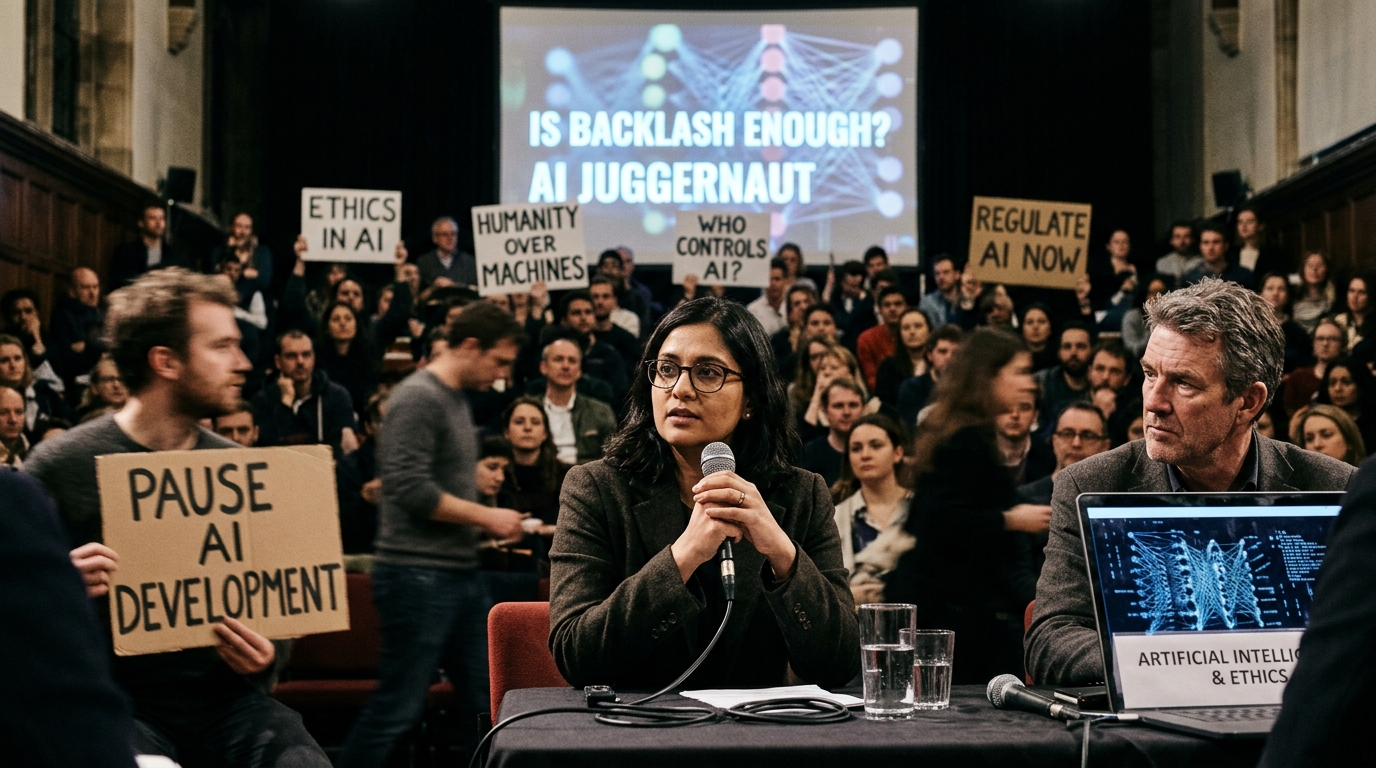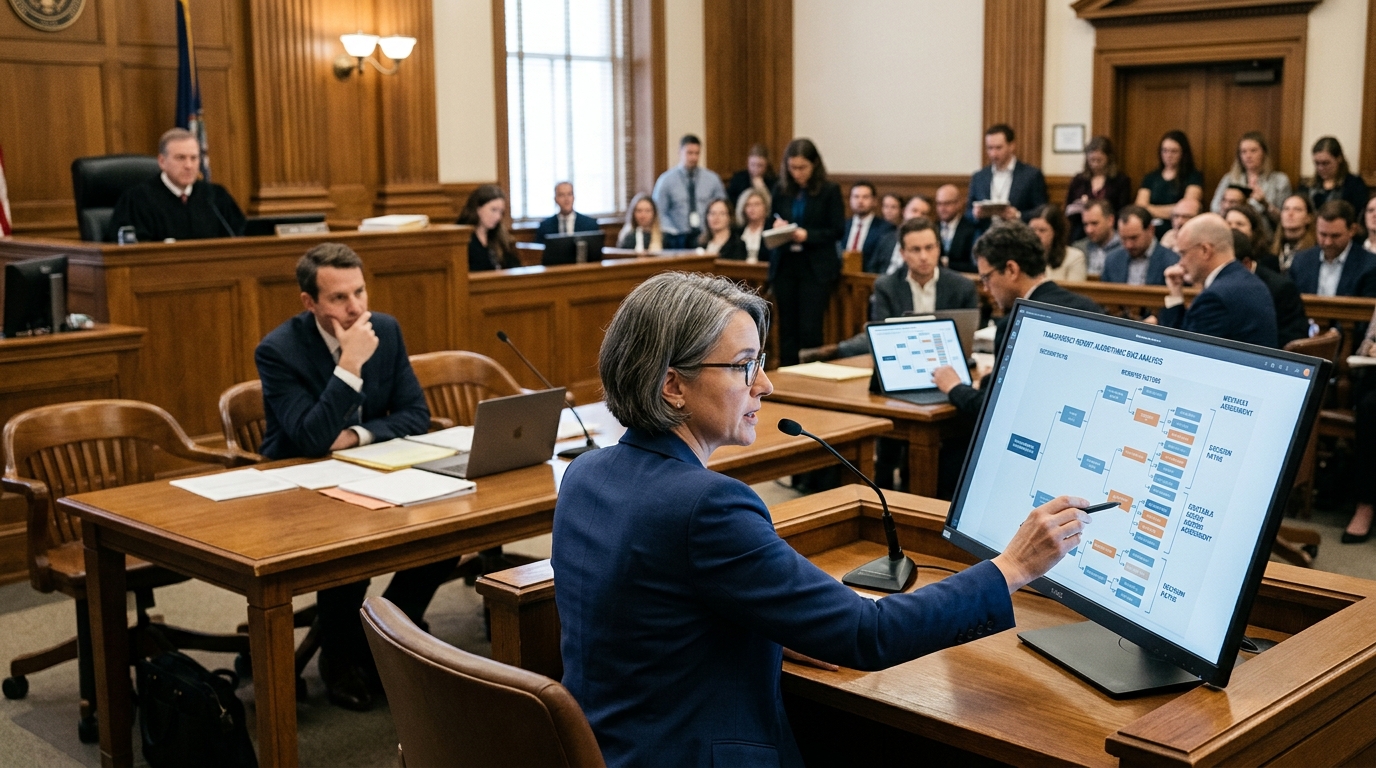
Jurisprudence, a field traditionally conservative and rooted in the human interpretation of texts, is currently facing the most radical challenge in its history. The advent of Artificial Intelligence (AI) is no longer a science fiction scenario, but a daily reality reshaping the foundations of justice. From automated case law research to the use of algorithms for predicting judicial outcomes, AI promises efficiency while simultaneously threatening to alter the very essence of Themis, the blind goddess of justice.
The Digital Transformation of Themis
The use of AI in legal practice began quietly with e-discovery tools, which allowed lawyers to comb through millions of documents in no time. However, the emergence of Large Language Models (LLMs) changed the game. Today, AI can draft pleadings, analyze complex contracts, and identify legal loopholes that the human eye might overlook. This evolution is not just about speed; it is about access to justice. In a system where the cost of legal representation is often prohibitive, AI tools could theoretically democratize legal advice.
However, this convenience hides traps. Legal interpretation is not a simple exercise in pattern matching. It requires an understanding of social context, ethics, and the human condition—elements that algorithms, despite their complexity, fail to fully grasp. Reliance on technology risks turning justice into a mechanistic process, where "correctness" is defined by statistical probability rather than the pursuit of truth.
The Hallucination Trap and Professional Responsibility
One of the most disturbing phenomena observed is so-called AI "hallucinations." Cases have already been recorded where lawyers filed briefs based on non-existent court decisions fabricated by AI. This incident highlights a critical ethical issue: professional responsibility. The lawyer remains the guardian of the validity of the process. If AI is used as a "black box" without strict human supervision, the credibility of the judicial system is compromised.
- The need for "Human-in-the-loop" systems is imperative.
- Bar associations worldwide are revising their codes of ethics.
- The education of young legal professionals must now include digital literacy and an understanding of algorithmic limits.
Beyond technical accuracy, there is the issue of confidentiality. When a legal professional feeds an AI model with sensitive client data, where does that information end up? Attorney-client privilege, a pillar of democratic justice, is under direct threat from the data storage policies of major tech corporations.
Algorithmic Bias: Justice or Statistics?
Perhaps the darkest side of AI in justice is the use of algorithms to assess the risk of defendants or determine sentences. Systems like COMPAS in the US have been accused of reproducing and reinforcing racial and social biases inherent in the historical data they were trained on. If our past is full of injustices, an algorithm that learns from that past will tend to perpetuate them, presenting them under the guise of "objectivity."
"Justice must not only be done, but must also be seen to be done. An opaque algorithm deprives the citizen of the right to understand and challenge the basis of the decision that concerns them."
The lack of transparency (the black box problem) makes it impossible for a defendant to know which factors led to a specific AI recommendation. This directly conflicts with the right to a fair trial and the requirement for reasoned judicial decisions.
The Future: A Symbiotic Relationship?
Despite the risks, AI offers unique opportunities. It can help de-congest courts by handling low-complexity cases or automating bureaucratic processes. The challenge for the legal community in 2026 is to set the boundaries. AI must function as a tool to enhance human judgment, not as a substitute for it.
In conclusion, the "AI jurist" requires a new ethical architecture. Lawmakers must act immediately to ensure that technology serves the values of equality and transparency. Justice is a deeply human achievement; handing it over to algorithms without safeguards would be the greatest legal fallacy of our century.