For years, the public discourse surrounding Artificial Intelligence (AI) has been dominated by a dystopian scenario: the "job apocalypse." The image of robots replacing humans on assembly lines or algorithms rendering white-collar workers obsolete has commanded headlines. However, as we move through 2026, it is becoming clear that the real crisis is not the absence of work, but the nature of work itself under the watchful eye of AI. The threat is not that we will lose our jobs to a machine, but that we will end up working like machines, guided by algorithms that lack empathy and understanding.
Digital Taylorism and Algorithmic Management
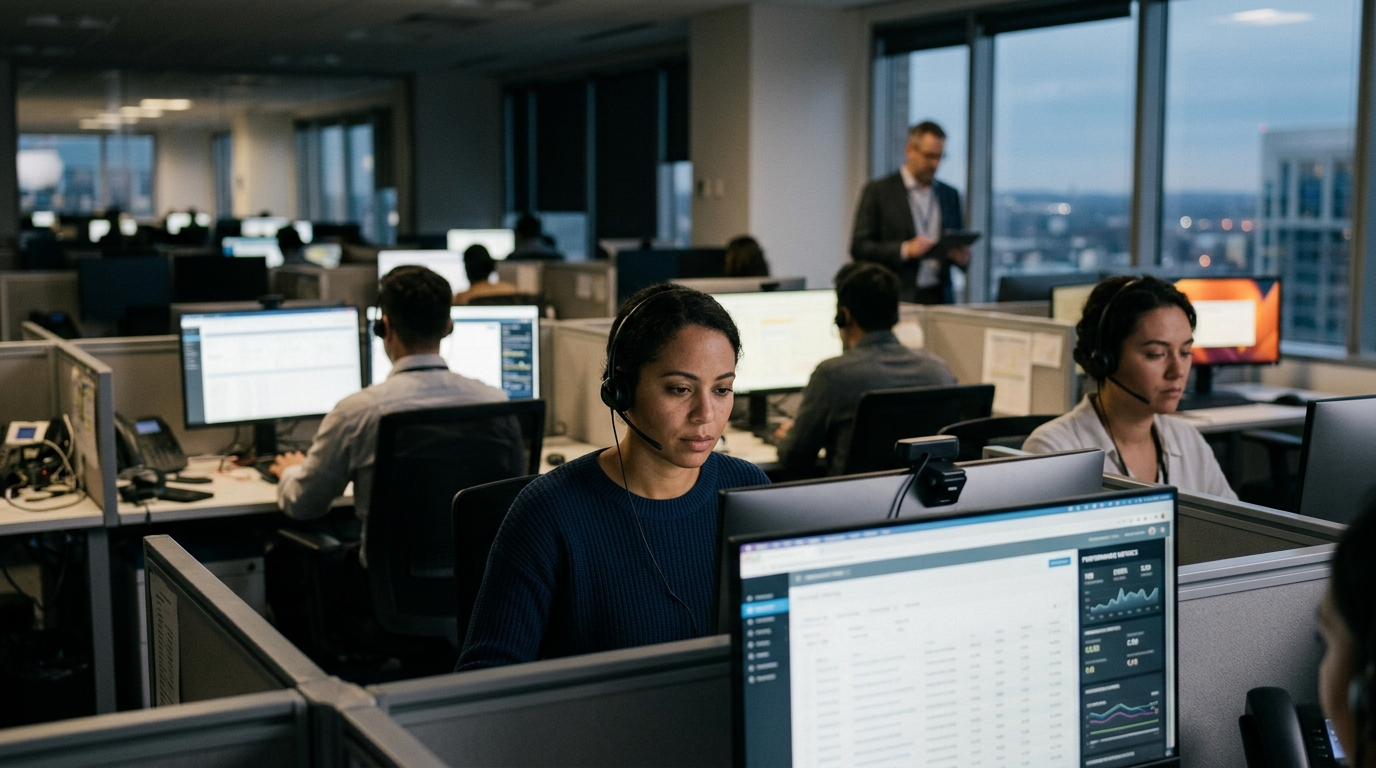
What we are witnessing today is the evolution of "Taylorism"—the scientific management of the 20th century—into a digital, hyper-charged version. AI now allows companies to analyze every second of the workday. From the time it takes a warehouse worker to locate an item, to the typing speed of a software engineer, or the facial expressions of a customer service representative during a video call, everything is recorded and scored.
"Algorithmic management" shifts decision-making from human managers to mathematical models. These models do not understand human fatigue, personal struggles, or the need for a break. Instead, they set ever-increasing productivity targets based on data that often ignores the context of real life. The result is a workplace where autonomy is sacrificed at the altar of optimization, turning the worker into a mere component of a larger computational system.
The Workplace Panopticon: Surveillance Without Borders
Surveillance technology, often dubbed "bossware," has evolved to a point that would have seemed unthinkable a decade ago. It is no longer just about security cameras. Modern AI tools use "sentiment analysis" to monitor employee morale through the tone of their voice or the words they use in corporate chats. In many cases, monitoring extends into the private sphere, especially with the entrenchment of remote work, where software can log screen activity or use the computer's camera to confirm an employee's presence.
This constant surveillance creates a "digital panopticon." When workers know that every move is being tracked and evaluated by an invisible judge, stress levels skyrocket. Creativity is stifled as people fear deviating from predefined processes, even if doing so would lead to better outcomes. Trust, the foundation of any healthy labor relationship, erodes, giving way to a culture of fear and compliance.
The Erosion of Human Dignity
The most disturbing element of this trend is the dehumanization of labor. When an individual's performance is judged solely by cold data, their dignity is at risk. Workers in the "gig economy," such as delivery drivers, were the first to feel this pressure, with apps automatically penalizing them for delays caused by unpredictable factors like traffic or weather. Now, these practices are migrating to traditional office professions.
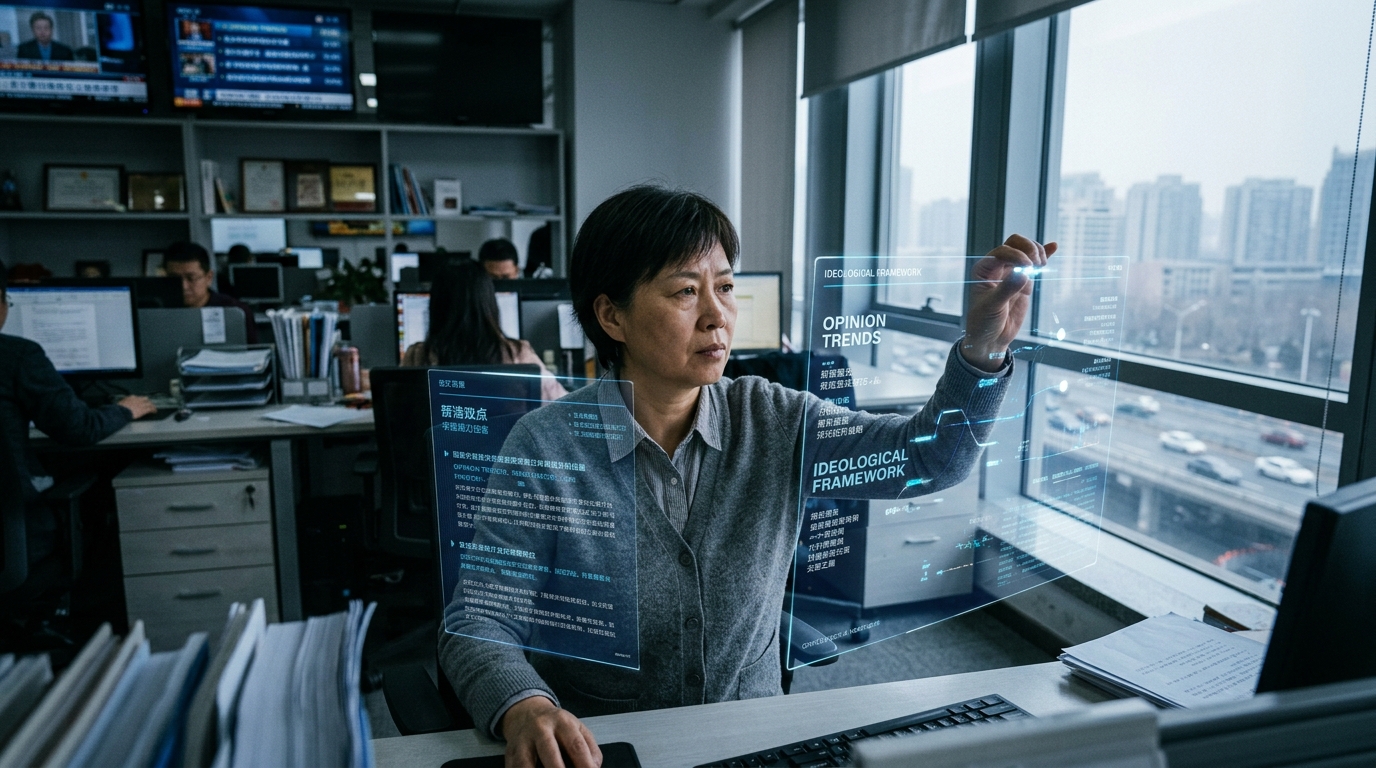
AI can be used to predict which employees are likely to quit or who is about to ask for a raise, allowing management to take preemptive actions that often undermine workers' bargaining power. The power imbalance between capital and labor is widening, as corporations own the data and the algorithms, while workers remain in the dark about exactly how they are being evaluated.
Resistance and Regulatory Intervention
Despite the grim outlook, there is hope. The European Union, through the AI Act, has begun to set strict limits on the use of AI for employee monitoring, classifying many of these systems as "high risk." Labor unions worldwide are reorganizing, demanding "algorithmic transparency" and the right to human intervention in decisions concerning hiring, firing, and evaluation.
The challenge for the future is not to stop technological progress, but to ensure that AI is used for human empowerment rather than subjugation. Work must remain a space for creativity and social contribution, not a digital sweatshop where the human being is merely a variable in a profit equation. The battle for labor rights in the 21st century will be fought within lines of code and across databases.