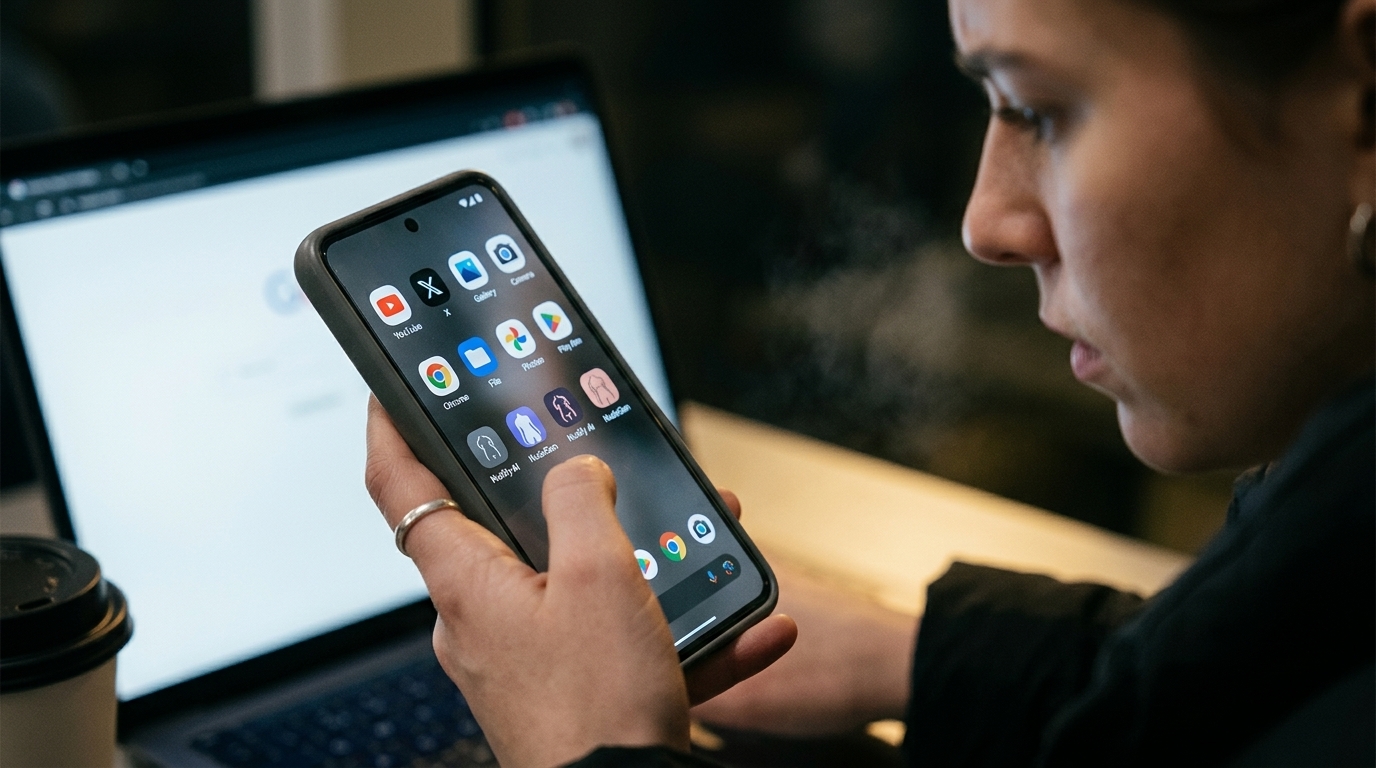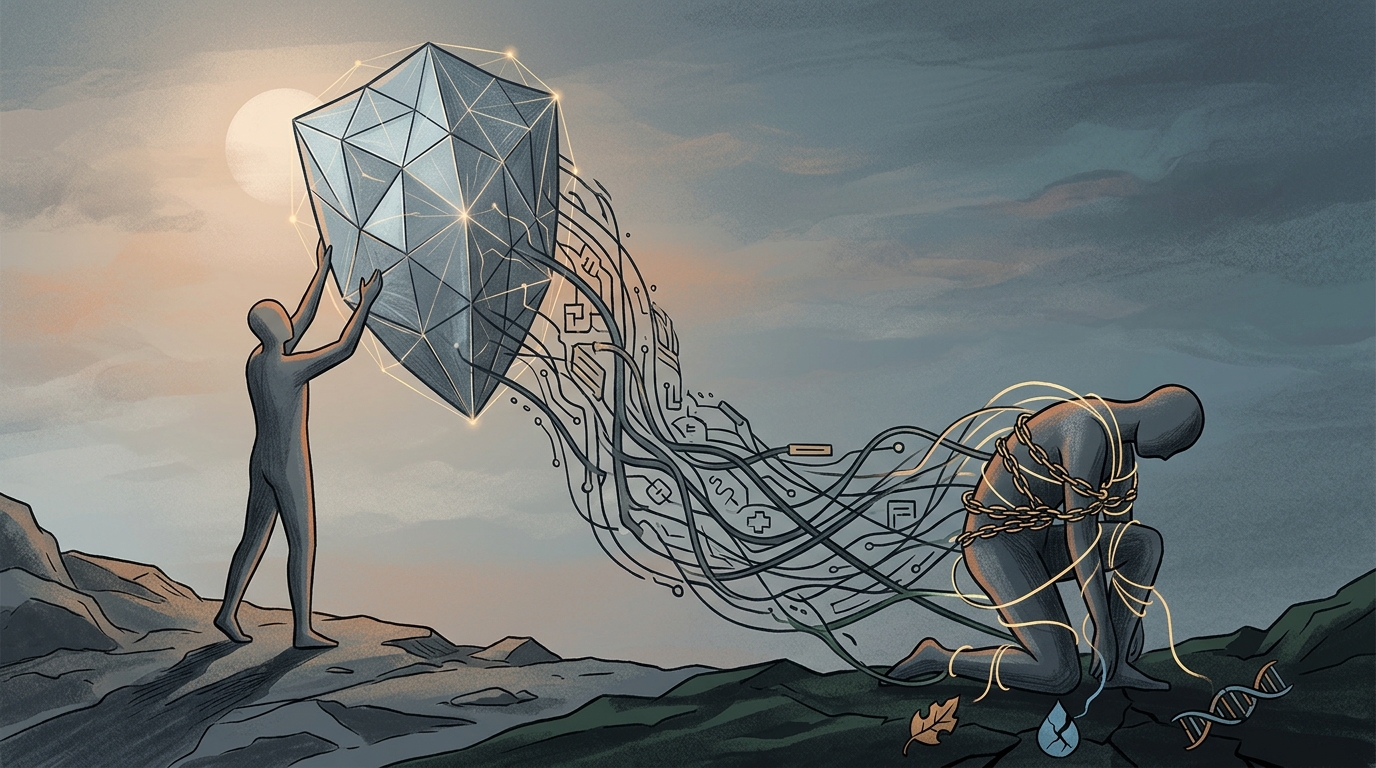
Two years after the official unveiling of Apple Intelligence at WWDC, the tech industry is still debating whether Apple's strategy was a stroke of genius or a necessary retreat. In a world where Google and Microsoft rushed to integrate Generative AI into every facet of their operating systems, Apple chose a slower, more deliberate path. Its central pitch wasn't speed, nor the omniscience of its models, but security. The promise was clear: your AI belongs to you, and Apple has no access to it.
The Architecture of Trust: Private Cloud Compute
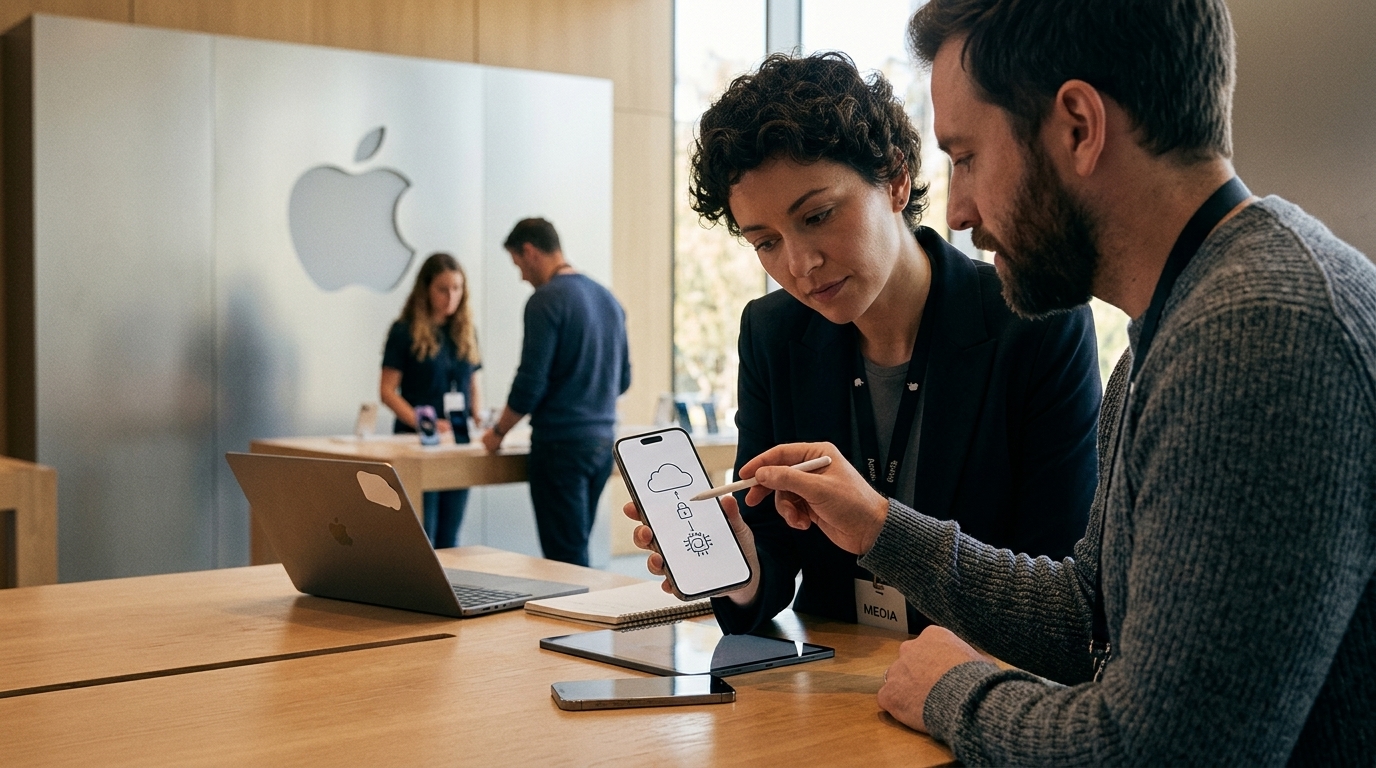
The foundation of this promise is Private Cloud Compute (PCC). For the first time, Apple extended the iPhone's security model to the cloud. When an AI request is too complex to be processed exclusively on-device, it is offloaded to servers running on Apple Silicon. The critical point here is not just encryption, but the complete absence of persistent data storage. Apple argued that neither the company itself nor any third party can access the data submitted for processing.
This approach represents a radical departure from Google's model, where user data often serves as the fuel for training future models. Apple, conversely, sought to create a "digital fortress." However, the complexity of this infrastructure raises questions. Can a company truly guarantee privacy when data leaves the device, regardless of how "hardened" the cloud infrastructure claims to be?
The OpenAI Paradox and the Role of ChatGPT
One of the most controversial aspects of Apple's strategy was the integration of OpenAI's ChatGPT. While Apple promoted its own "private" AI, it simultaneously offered users the option to send queries to an external model. Although Apple emphasized that IP addresses are masked and OpenAI does not store requests, the connection to a company previously criticized for opaque data collection practices created friction in Apple’s pristine image.
This move was interpreted as an admission that Apple could not match the intelligence level of GPT-4 or its successors using only its internal resources. Thus, it created a hybrid model: Apple Intelligence for daily tasks and ChatGPT for "complex" inquiries. However, this distinction is often blurry for the average user, who may not realize when their data remains within Apple's ecosystem and when it "travels" to OpenAI.
Ethical Dilemmas and Regulatory Pressure
In the European Union, Apple faced the Digital Markets Act (DMA), which forced the company to open its ecosystem. Apple used "security and privacy" as an argument to delay the release of certain AI features in Europe, drawing a sharp response from the European Commission. Is privacy a genuine ethical bulwark or a convenient tool to stifle competition and maintain the "walled garden"?
- Transparency: Apple allowed independent researchers to audit the code of Private Cloud Compute, a move unprecedented for its historically secretive culture.
- Model Training: The commitment to not using personal data for training its foundation models remains its strongest selling point.
- Third-Party Dependency: The need for partnerships (such as with OpenAI or potentially Google) undermines the narrative of complete autonomy.
Conclusion: Privacy as a Luxury or a Right?
As we navigate through mid-2026, Apple Intelligence has become an integral part of the iPhone experience. Its success, however, is not measured by how well it drafts emails or generates custom emojis. It is measured by whether users continue to trust Apple with their most intimate data. If even a single significant breach occurs, or if the "walls" of Private Cloud Compute are found to be porous, Apple’s entire brand equity could evaporate. In the age of artificial intelligence, privacy is no longer just a feature; it is the product itself.