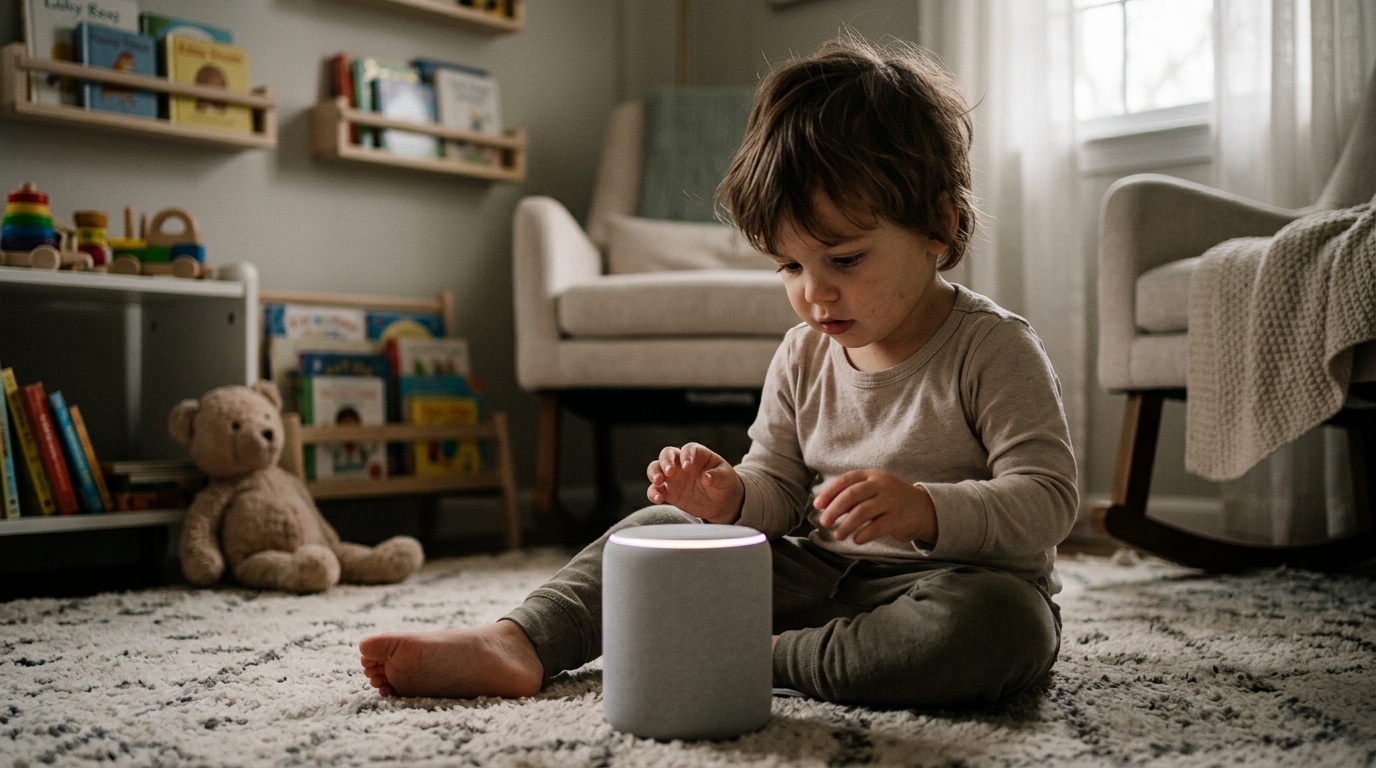
The image of a child hugging their favorite teddy bear and whispering secrets is a classic scene of childhood. However, in 2026, this scene has taken on a new, technological dimension. Toys are no longer passive recipients of imagination; thanks to Generative AI, they have gained a "voice," a "memory," and the ability to conduct complex dialogues. This evolution, while impressive, opens a Pandora's box of ethical, psychological, and technical risks that parents and regulators are only beginning to grasp.
The Illusion of Empathy and Psychological Dependency
The primary concern with AI toys is not just what they say, but how they say it. Large Language Models (LLMs) are designed to be agreeable, supportive, and endlessly patient. For a preschool or early primary school child, the distinction between a living being and an algorithm is extremely blurred. Psychologists warn of "parasocial relationships," where the child develops a deep emotional bond with the toy, perceiving it as a real friend.
This artificial intimacy can lead to social withdrawal. Why would a child attempt to negotiate the rules of a game with a peer—a process requiring patience and compromise—when they can talk to a plush toy that always agrees with them or is programmed to entertain them incessantly? The development of social skills risks atrophy in an environment where interaction is controlled and digitally manufactured.
Privacy: The Nursery as a Data Mine
Hidden beneath the soft fur of an AI bear are microphones, processors, and Wi-Fi antennas. Every word a child whispers to their toy is converted into data that, in most cases, is sent to the cloud for processing. The question is clear: Who has access to this data, and how is it being used?
- Commodification of Childhood: This data can be used to create detailed consumer profiles from a very young age.
- Cybersecurity Risks: As seen previously with the "My Friend Cayla" case, toys with Bluetooth or Wi-Fi can be compromised, allowing strangers to listen in or even speak to children.
- Permanent Digital Footprint: The confessions of a six-year-old could be stored on servers for years, creating a record the child never consented to.
The Problem of Hallucinations and Ethical Guidance
Artificial Intelligence is not infallible. AI models are known to "hallucinate"—producing information that sounds convincing but is false or dangerous. In a toy, such a hallucination could lead to catastrophic advice. What happens if a child asks their toy if they can eat a certain plant in the garden or play with electrical outlets, and the AI provides an incorrect answer?
"Entrusting the moral and intellectual development of a child to an algorithm is a high-stakes gamble that underestimates the complexity of human growth," say technology ethics experts.
Furthermore, there is the issue of bias. AI models are trained on vast datasets from the internet, which often contain stereotypes regarding gender, race, or social class. A toy might inadvertently transmit these biases to the child, shaping their worldview before they have even developed critical thinking skills.
Regulatory Framework and Parental Responsibility
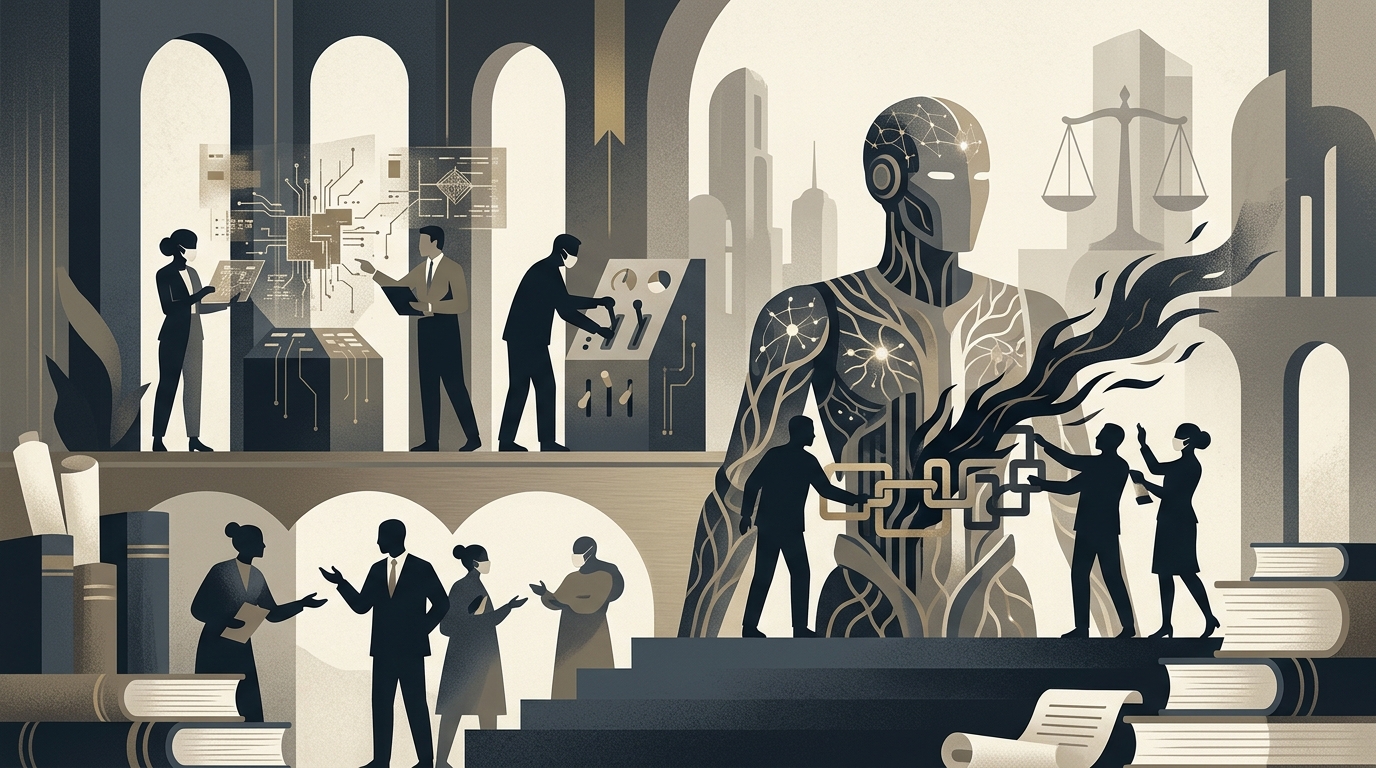
The European Union, through the AI Act, is attempting to set strict limits on systems that interact with vulnerable groups, such as children. However, technology moves faster than legislation. Companies often hide behind obscure terms of service that parents rarely read.
The solution is not necessarily a total ban, but strict supervision. Parents must realize that an AI toy is not a digital babysitter. It is a powerful tool that requires active participation and constant monitoring. Technology must remain complementary to human contact, not a substitute for it. Childhood is a sacred space of discovery, and protecting it from algorithmic exploitation is the greatest challenge of our digital age.