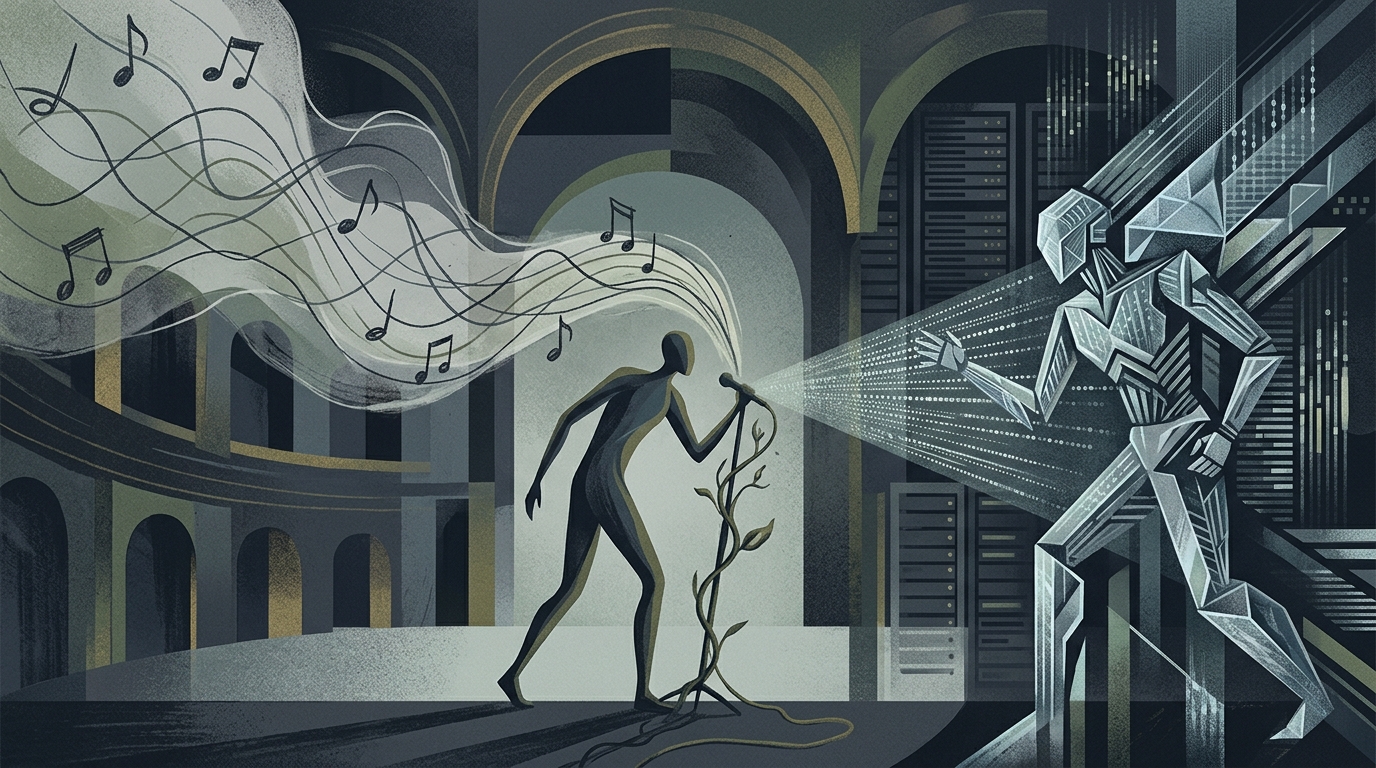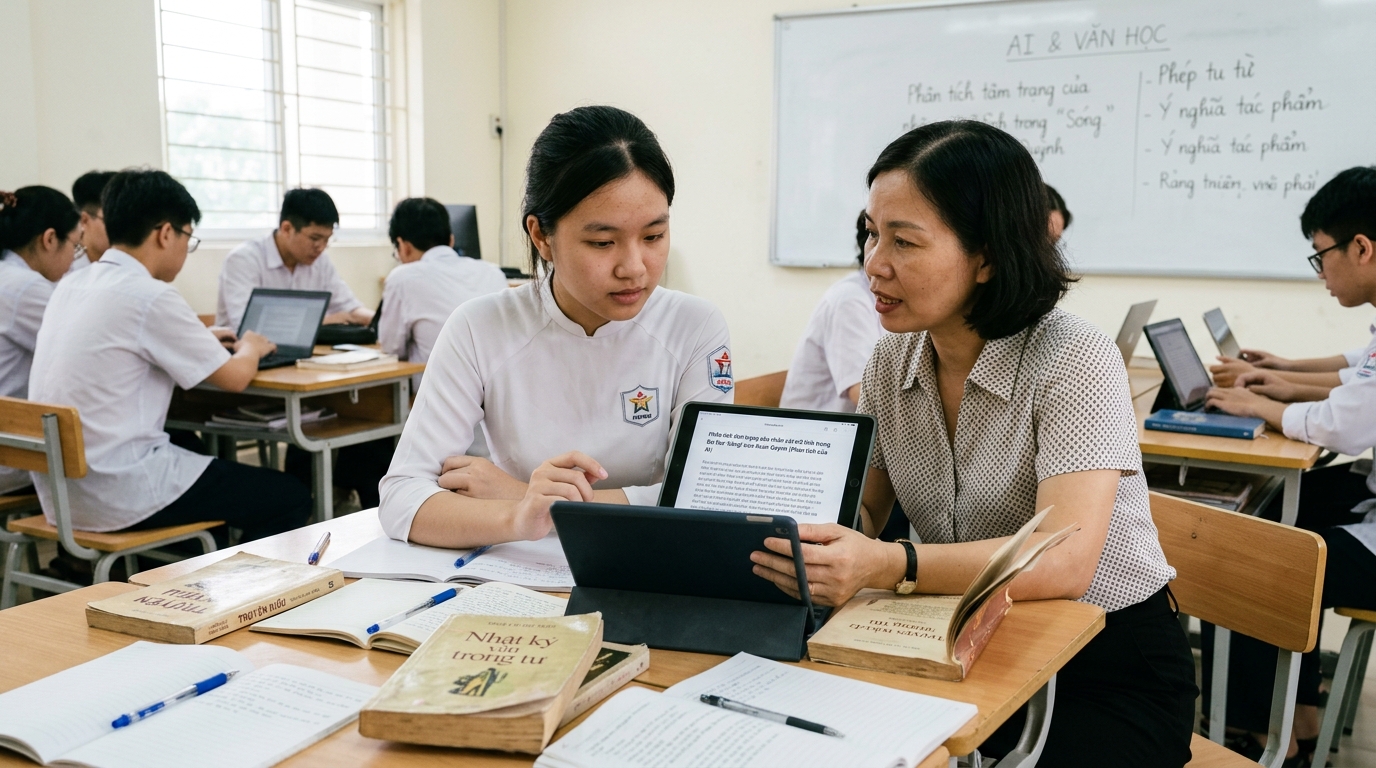
In an era where technology gallops at a pace that often outstrips the ability of educational systems to adapt, news from Vietnam has stirred the waters of traditional pedagogy. During the recent entrance exams for the 10th grade—a high-stakes milestone in the country—the literature component did not limit itself to the analysis of classical poems or historical texts. Instead, it challenged students to confront the impact of Artificial Intelligence (AI) on human creativity and their daily lives.
The student response was unexpectedly positive. Many felt they had "guessed correctly," as AI has become an integral part of their digital existence. However, behind the adolescent excitement lies a serious debate regarding ethics, authenticity, and the role of the humanities in a world increasingly dominated by algorithms.
The Shift from Classical to Contemporary
For decades, literature examinations in many Asian nations relied heavily on rote memorization and the interpretation of established canons. The Vietnamese Ministry of Education's decision to introduce AI as a central pillar of the exam essay marks a radical paradigm shift. It is no longer just about understanding the past, but about critically analyzing the present and the future.
- The urgent need for digital literacy within formal education.
- Bridging the gap between literary thought and technological advancement.
- Encouraging students to develop a personal stance on the ethics of technology.
According to local media reports, students felt a sense of relief because the topic was "familiar." "We didn't have to memorize pages upon pages of analysis for old texts," one student in Hanoi remarked. "We could talk about something we see on TikTok, ChatGPT, and in our games." This familiarity, however, is a double-edged sword.
Ethical Dilemmas and the Pitfall of Superficiality
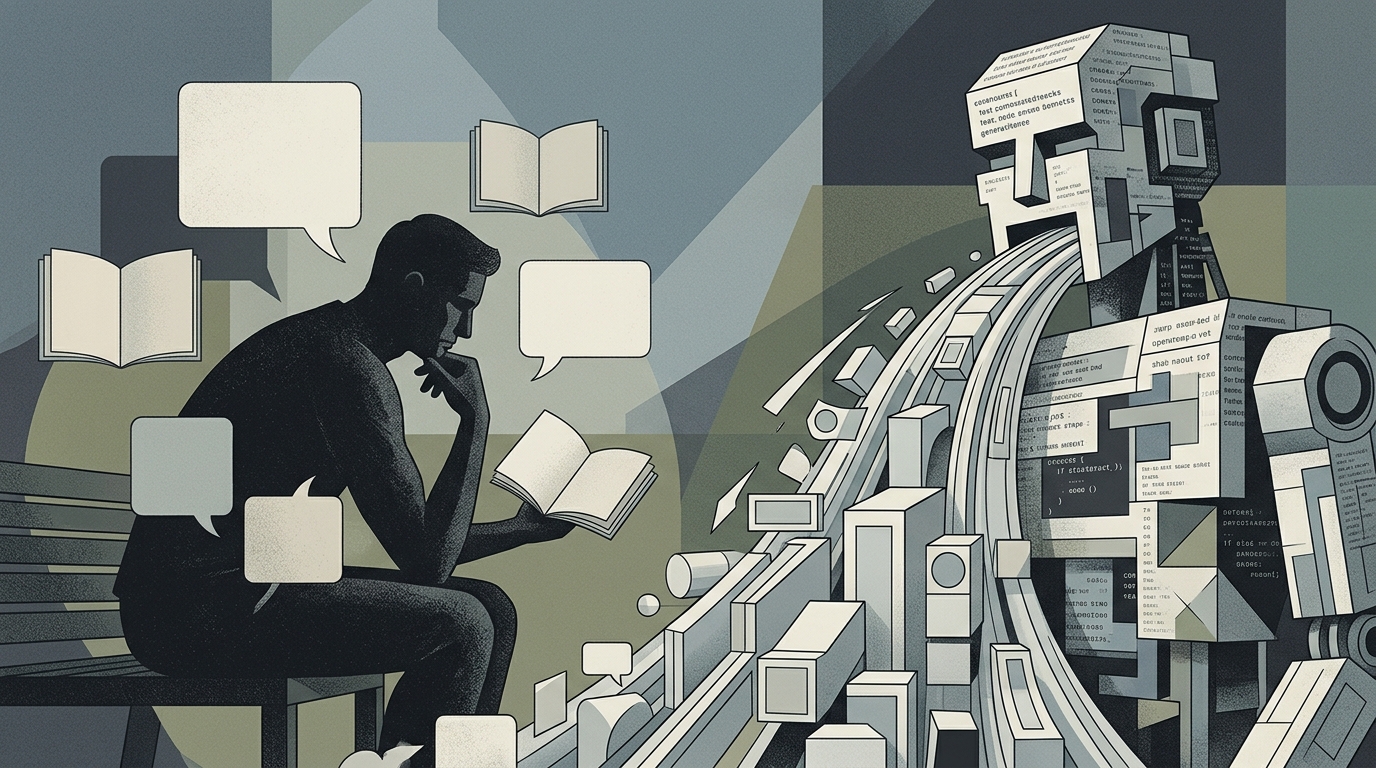
While introducing contemporary themes makes education more relevant, critics warn of the danger of a superficial approach. Literature has traditionally been the field where empathy and a deep understanding of the human condition are nurtured. When a subject like AI enters the examination hall, there is a risk that students will merely reproduce clichés about "technology helping us" or "technology isolating us," without delving into the deeper philosophical implications.
"Literature is not merely the transfer of information, but the search for what makes us human. If AI becomes just a 'trendy' exam topic, we risk losing the essence of critical thinking," notes a prominent philologist.
Furthermore, the issue of equity arises. Students in urban centers with full access to advanced AI tools have a clear advantage over those in rural areas who may only know AI as a theoretical concept. The ethics of education demand a balance that does not penalize a lack of technological resources.
Global Trends and the Future of the Humanities
The Vietnamese example is not an isolated incident. From the UK to the US, educational bodies are struggling to integrate AI into their curricula. Literature, rather than retreating into the past, is being called upon to act as the "arbiter" of technological evolution. The ability to write an essay on AI today is arguably as vital as analyzing Shakespeare, as both involve understanding the structures that define our world.
In conclusion, the joy expressed by Vietnamese students is an indication that the youth crave an education that speaks their language. The challenge for educators and policymakers is to ensure that this "modern" turn does not come at the expense of intellectual cultivation, but serves as a springboard for a new form of humanism—one where humans and machines coexist under terms of critical awareness.