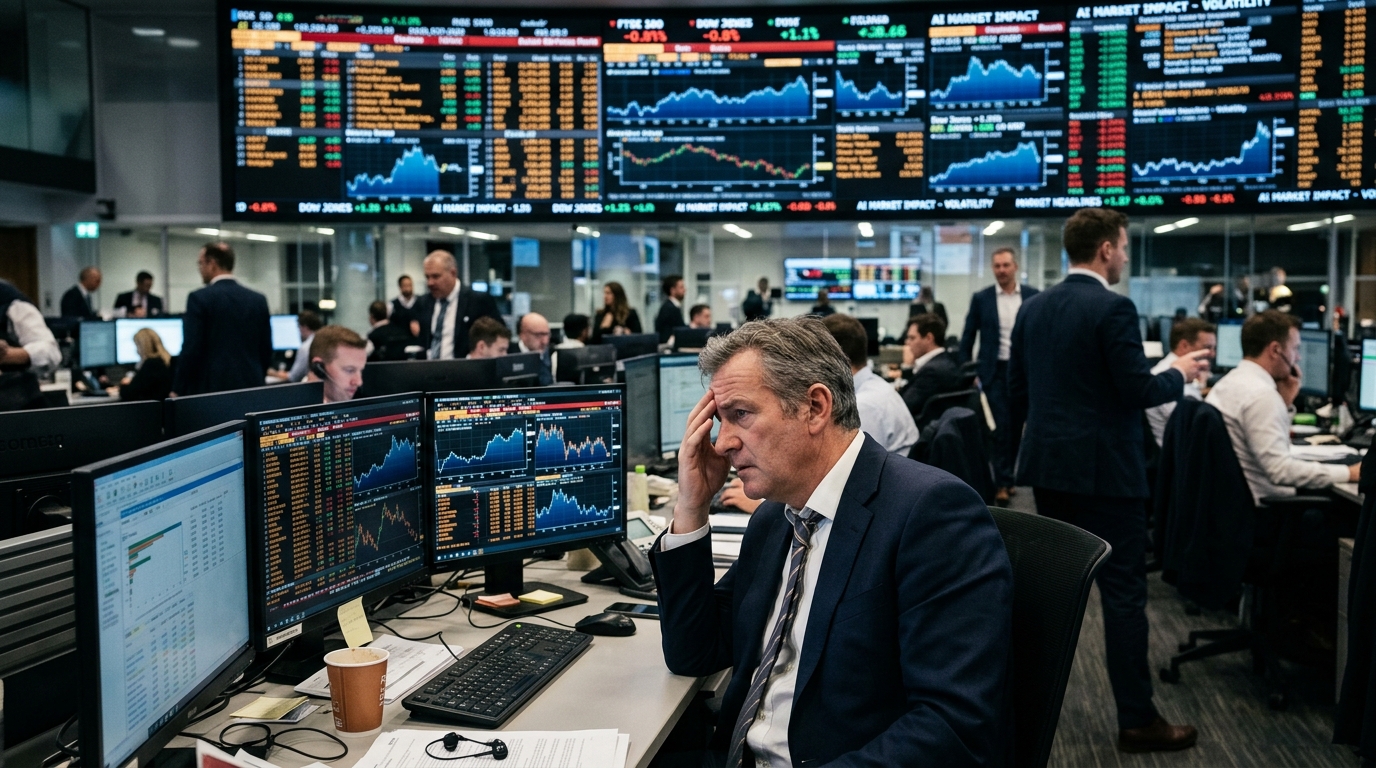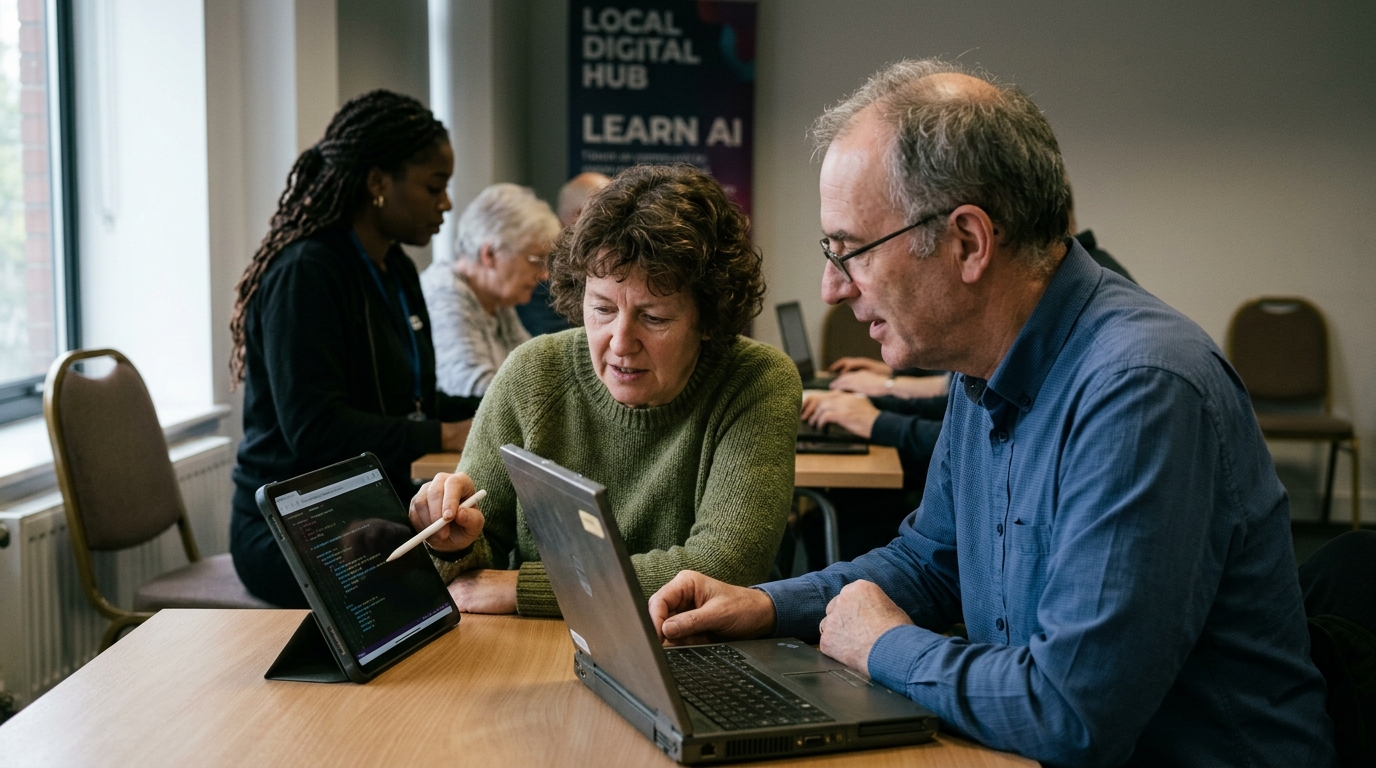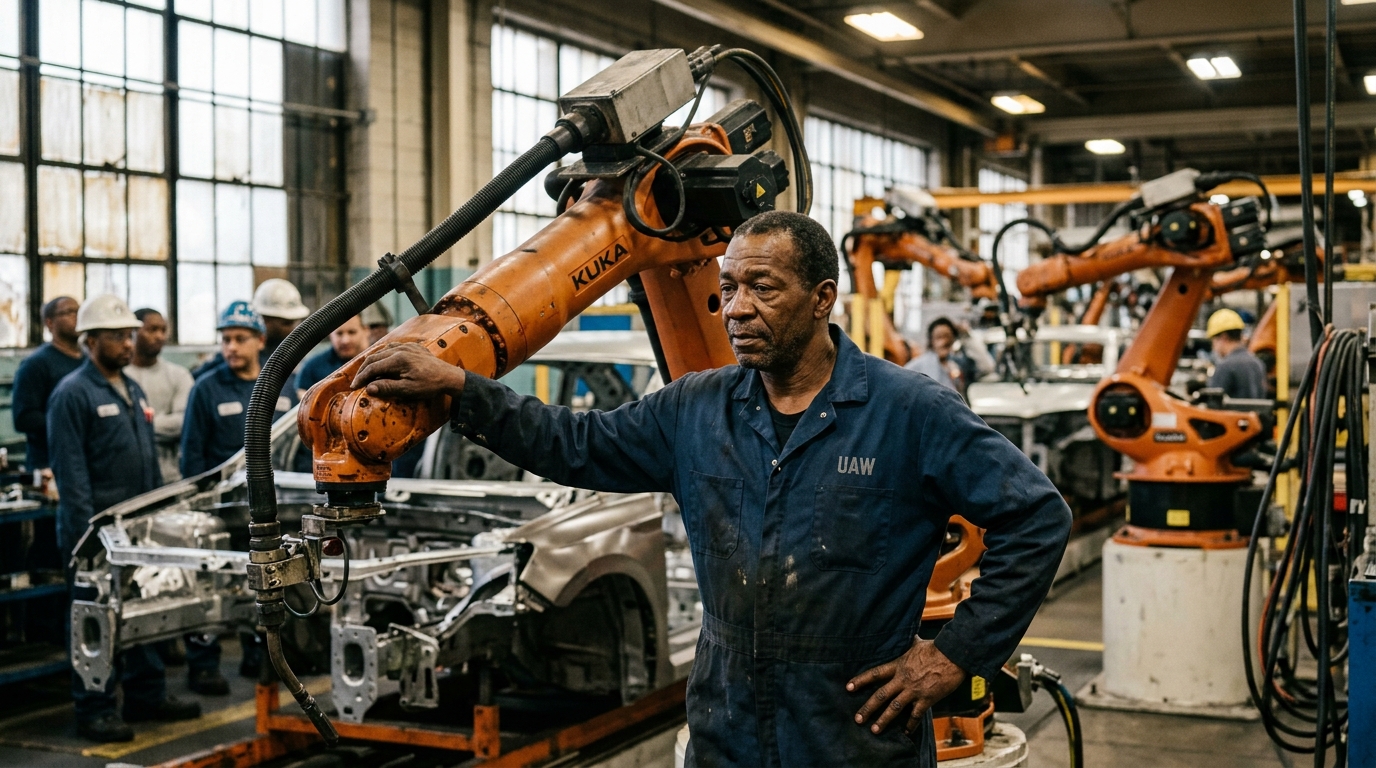
The history of humanity is a succession of technological revolutions, each promising liberation from toil while simultaneously sparking existential dread regarding the survival of the workforce. From the 19th-century Luddites to the factory automation of the 1970s, the fear of the "machine" has been a constant companion. However, the current advent of Generative AI presents a qualitative shift that makes modern workplace anxieties more grounded than ever. This is no longer just about physical brawn; it is about cognitive processing, creativity, and decision-making.
The Nature of the Threat: From the Factory Floor to the Cubicle
Unlike previous waves of automation that primarily affected manual labor, AI is now aiming for the heart of white-collar professions. Lawyers, software engineers, copywriters, and data analysts find themselves facing algorithms capable of executing complex tasks in fractions of a second. The concern voiced on platforms like Castanet is not merely a technophobic reaction but a realistic assessment of the increasing efficacy of Large Language Models (LLMs).
The ethical dimension of this issue lies in the sheer velocity of the transition. While in the past, workers had generations to adapt, the current revolution is unfolding over a few short years. This creates a massive skills gap that educational institutions are struggling to bridge in time. The question arises: who bears the responsibility for re-skilling the workforce? Is it the corporations benefiting from reduced overheads, or the state tasked with managing the resulting social crisis?
Economic Efficiency vs. Social Cohesion
From a business perspective, integrating AI is a non-negotiable path to maintaining competitiveness. The ability to produce more goods or services with fewer staff translates directly into higher profit margins. However, the macroeconomic picture is more complex. If a significant portion of the population loses its purchasing power due to unemployment, who will consume the products that AI produces?
- Structural Unemployment: The risk of permanent displacement for specific age groups and sectors.
- Wealth Inequality: The concentration of capital among the owners of technological infrastructure.
- Psychological Impact: The loss of purpose and identity traditionally provided by professional roles.
Many analysts are proposing radical solutions, such as Universal Basic Income (UBI) or a "robot tax." These ideas, once considered fringe, are now at the center of political discourse in the EU and North America. The 21st-century work ethic requires a new social contract—one that does not tie an individual’s survival exclusively to their productivity in an environment where machines hold the upper hand.
Human Superiority and Collaborative Intelligence
Despite the somber forecasts, there is an optimistic perspective. AI can function as a "co-pilot," liberating humans from repetitive and mundane tasks and allowing them to focus on strategic thinking and empathy. The healthcare sector, for instance, could see a renaissance where doctors spend more time with patients while AI handles diagnostic analysis and paperwork.
"AI will not replace humans, but humans using AI will replace those who do not."
This phrase has become the mantra of the modern labor market. The challenge, therefore, shifts from "survival" to "adaptation." Lifelong learning is no longer an option but a necessity. Workers must develop "soft skills"—such as critical thinking, ethical judgment, and emotional intelligence—which AI, for now, cannot authentically replicate.
Conclusion: Toward an Ethics of Transition
Concern over job loss is justified and serves as the catalyst for demanding regulatory frameworks. Governments must act promptly—not by banning technology, but by investing in human infrastructure. Ethics in the age of AI means ensuring that the benefits of automation are distributed across society rather than being hoarded by a technocratic elite. The transition will be painful, but the outcome could be a society where labor is a choice and creativity is the standard.