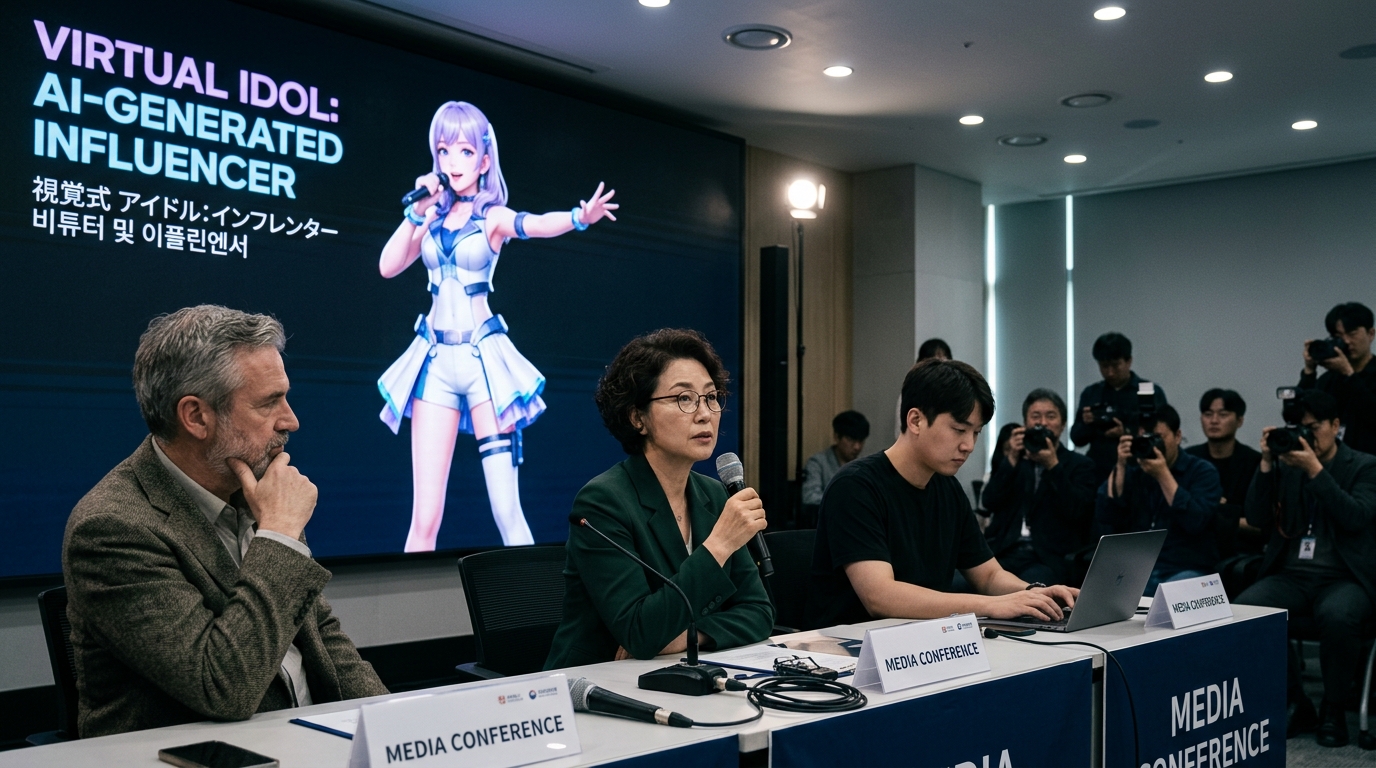
In the shifting social media landscape of June 2026, the concept of the 'influencer' is undergoing a radical mutation. It is no longer just about humans sharing their moments, but about meticulously designed digital creations born in Artificial Intelligence laboratories. From Aitana Lopez to Lil Miquela, AI influencers are not merely experimental projects but profitable enterprises threatening to displace human presence from a marketing industry now valued at tens of billions of dollars.
The Economics of Absolute Control
Why would a global brand choose a model made of pixels over a human being? The answer lies in efficiency and control. AI influencers do not get tired, do not ask for raises, do not get involved in personal scandals, and are available 24/7. A photoshoot that once required travel, hotels, makeup artists, and photographers can now be completed in minutes with a few prompts on a powerful server.
This shift creates a new paradigm in branding. Companies can now 'manufacture' the ideal representative that perfectly aligns with their values, featuring traits that appeal to specific demographic audiences. However, this 'perfection' comes at a heavy price: the complete elimination of spontaneity and human imperfection that once formed the core of trust between an influencer and their audience.
The Ethical Minefield: Transparency and Beauty Standards
The ethical dimension of the issue is multi-layered. The primary problem lies in consumer deception. When an AI influencer promotes a skincare product or a dietary supplement, the audience faces a paradox: how can a being without a physical body guarantee the effectiveness of a product? The lack of transparency, despite recent EU and FTC guidelines for mandatory AI content labeling, remains a gray zone.
- Body Dysmorphia: Digital figures often project unrealistic beauty standards that are biologically impossible to achieve.
- Psychological Impact: Younger users, particularly Gen Z and Gen Alpha, struggle to distinguish the artificial from the real, intensifying anxiety and low self-esteem.
- Labor Displacement: Thousands of models and content creators are seeing their incomes shrink as algorithms take over their roles.
"We are no longer selling products; we are selling a flawless illusion that doesn't age, doesn't gain weight, and doesn't talk back," says an advertising executive who wishes to remain anonymous.
Regulatory Response and the Future of Authenticity
As we find ourselves in mid-2026, regulators are scrambling to keep pace. The EU AI Act has set stricter frameworks, requiring platforms to integrate digital watermarks into any AI-generated content. However, deepfake technology and synthetic voice production are evolving faster than legislation.
The big question remains: will the audience tire of digital perfection? There is already a growing trend toward 'Raw Content,' where users seek unvarnished truth and human connection. Authenticity may become the most valuable currency in a world filled with perfect algorithmic idols. Brands that manage to balance technological innovation with ethical responsibility will be the ones to survive long-term in the consumer's consciousness.
Conclusion
The rise of AI influencers is not just a passing fad but a structural change in how we communicate and consume. It represents the intersection of art, technology, and capitalism in its purest, and perhaps most disturbing, form. As we move forward, the need for digital literacy and critical thinking becomes more urgent than ever, so that we can discern the light of truth within the digital mirror.