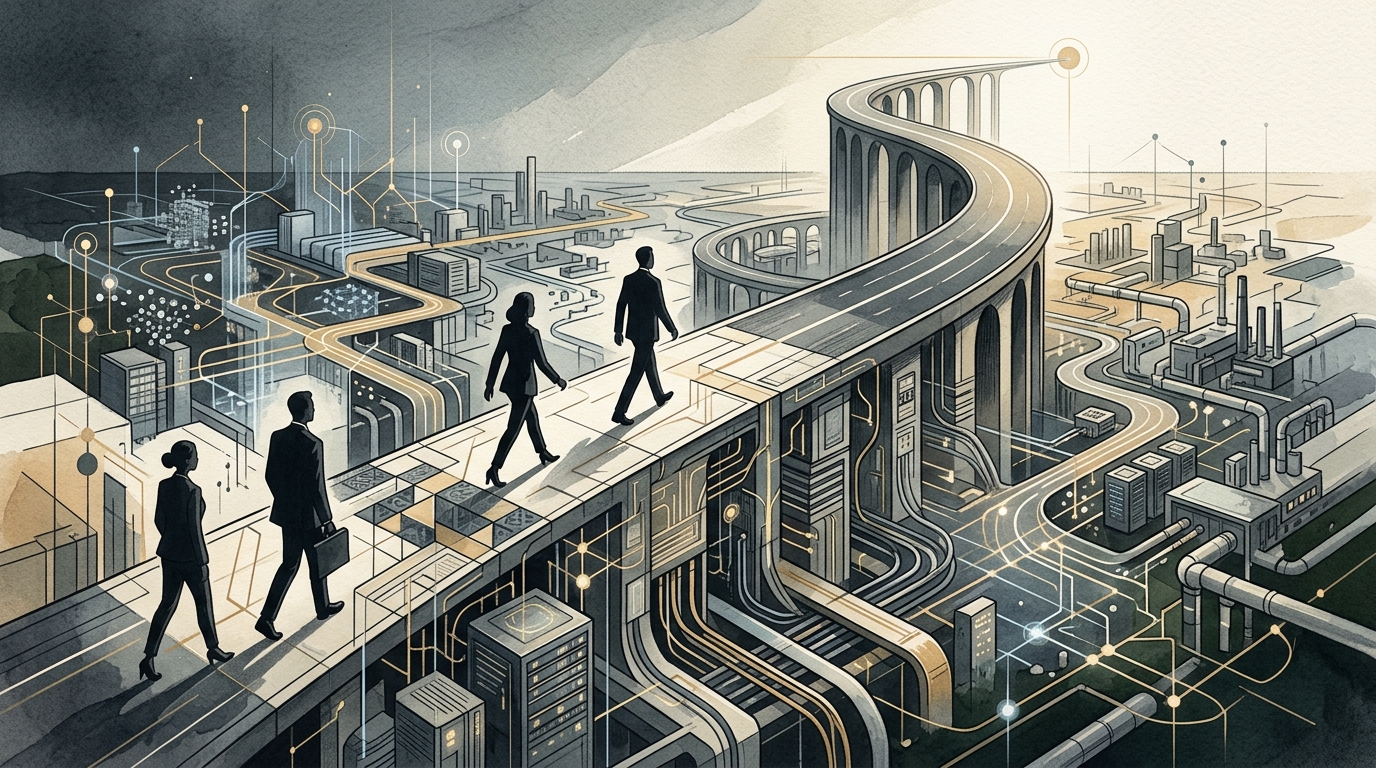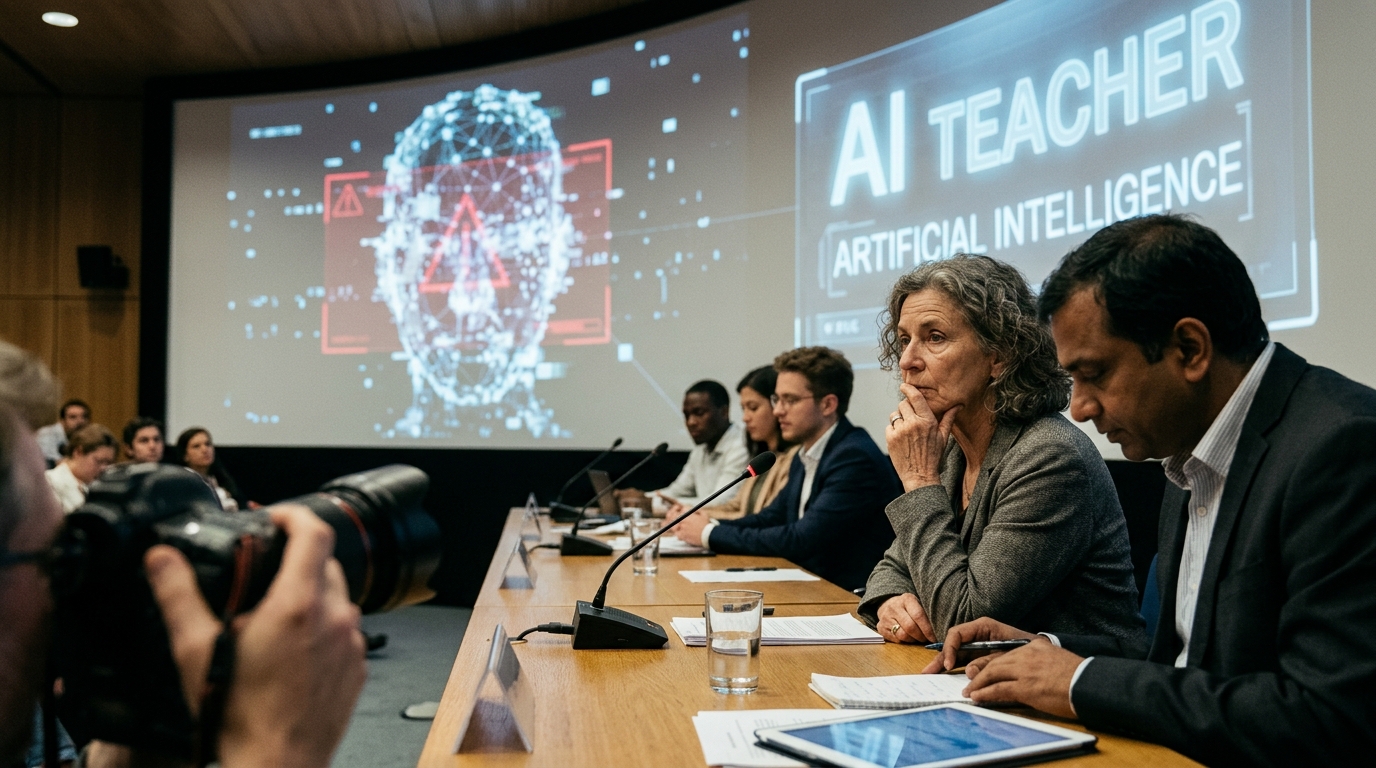
The promise was grand, almost messianic: a new era of personalized learning where every student would have their own digital Socrates, an algorithm capable of adapting to their needs, correcting their mistakes, and leading them to excellence without the need for a traditional classroom. However, as 2026 finds education at a critical crossroads, reality is proving far more complex. According to a recent panel by the American Federation of Teachers (AFT) and international analysts, the experiment of fully replacing teachers with Artificial Intelligence (AI) has not just failed—it has collapsed under the weight of human nature.
The Fallacy of 'Data Transfer'
The fundamental misunderstanding of EdTech proponents was the view that learning is a simple process of transferring data from a source to a receiver. The panel experts emphasized that education is, at its core, a social and emotional process. An algorithm can explain the Pythagorean Theorem, but it cannot perceive the sadness in the eyes of a student facing problems at home, nor can it inspire a passion for history through personal narrative and character.
As noted in the discussion, AI's 'failure' is not about its processing power, which is undeniably superior, but its inability to build bonds of trust. Students do not learn from machines; they learn from people they respect and admire. Research shows that the presence of a teacher acts as a catalyst for brain neuroplasticity, something that cold interaction with a screen fails to simulate.
Ethical Risks and the Digital Divide
Another critical aspect discussed was the ethical implications of handing over the educational process to private algorithms. Randi Weingarten, president of the AFT, warned of the danger of 'algorithmic bias,' where AI systems may reinforce pre-existing social inequalities. If students in disadvantaged areas are left to the care of 'cheap' digital teachers, while the privileged enjoy human guidance, the digital divide will turn into an insurmountable social abyss.
- Data Privacy: Constant monitoring of student performance creates a vast amount of data that often ends up in the hands of corporations for advertising purposes.
- Loss of Critical Thinking: Over-reliance on AI for problem-solving leads to a generation that knows how to find answers but not how to ask questions.
- Social Isolation: School is the primary space for socialization. Replacing it with screens threatens mental health and the development of social skills.
The Teacher as 'Orchestrator' rather than 'Transmitter'
Instead of replacement, the panel suggested a model where AI acts as an assistant (co-pilot). The teacher's role is transformed from a 'source of knowledge' to an 'orchestrator of learning.' Technology can handle bureaucracy, grading standardized tests, or creating personalized exercises, freeing up valuable time for the educator to engage in creative discussion, critical analysis, and psychological support for the children.
"Technology is a tool, not a destination. We cannot automate wisdom, nor can we program empathy," noted one of the panel participants.
Conclusions for the Future
The failure of AI to replace teachers is a victory for human-centric education. It underscores that education is not a technical problem to be solved, but a human relationship to be nurtured. As we move forward, the challenge will not be how to remove the teacher from the room, but how to provide them with the right tools to do their job better, without losing the soul of their teaching. We must protect public schools from uncritical digitization that sacrifices quality on the altar of efficiency.