As we navigate through 2026, the concept of security—both digital and physical—is undergoing a radical transformation. It is no longer about building higher walls or implementing more complex passwords. Artificial Intelligence (AI) has shifted the battlefield into a dimension where reaction time is measured in milliseconds. The traditional approach of post-breach analysis is now obsolete; today, security is a living, evolving process that demands predictive power and instantaneous action.
The Weaponization of Intelligence
The first and most concerning aspect of this new reality is the ease with which malicious actors are adopting AI. Attacks are no longer manual or static. Cybercriminals are utilizing Large Language Models (LLMs) to craft personalized phishing campaigns that are practically indistinguishable from official communications. Furthermore, the use of deepfakes—both audio and video—allows for the bypassing of biometric controls and the real-time deception of corporate executives.
Perhaps the most dangerous element is "polymorphic malware." These are viruses that use AI to alter their code every time they are detected by a security system, rendering traditional signature-based antivirus databases entirely useless. In this environment, the attacker holds the first-mover advantage, using automation to scan millions of systems for vulnerabilities within seconds.
Real-Time Defense: The Systems' Response
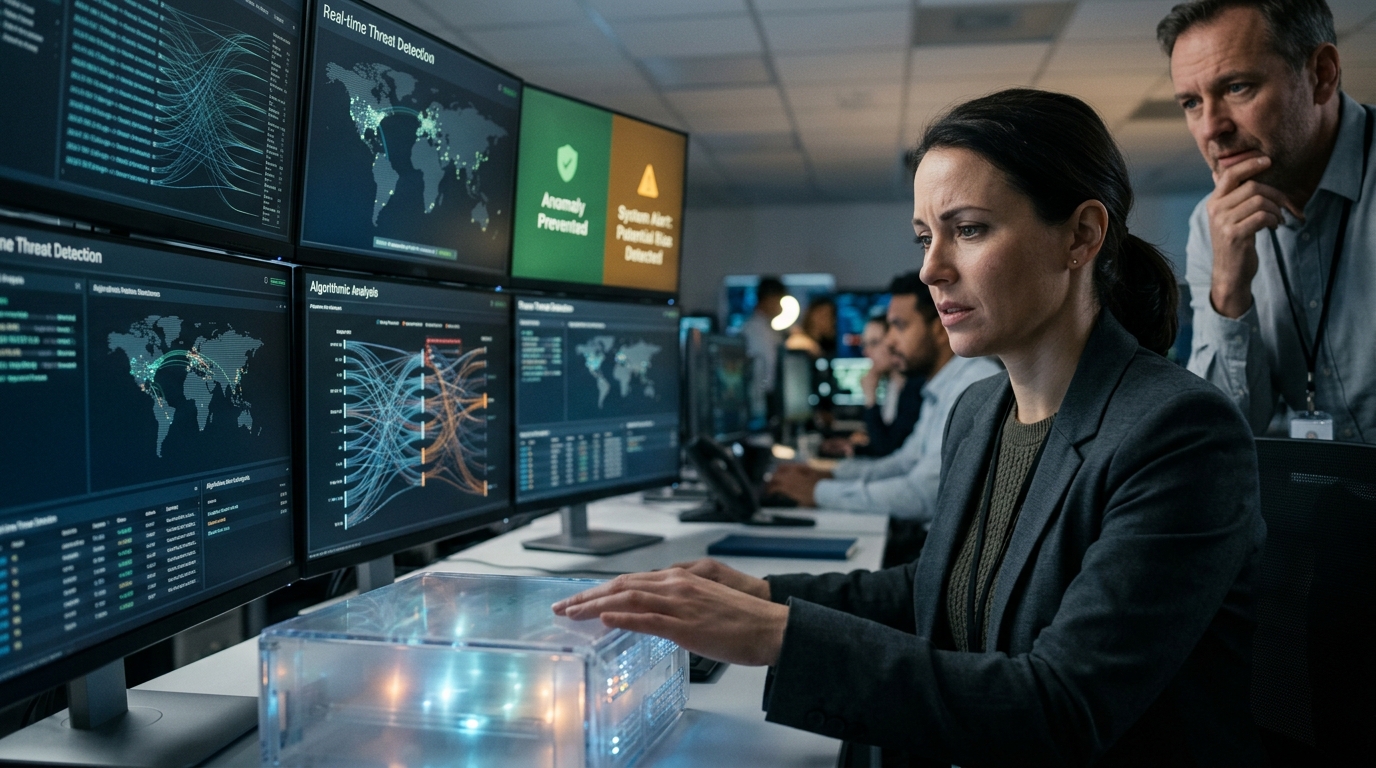
In the face of these threats, the security industry is responding in kind. Modern Endpoint Detection and Response (EDR/XDR) systems now integrate machine learning algorithms that don't look for known viruses but for "anomalous behavior." If an employee who typically logs in from London at 9 AM suddenly attempts to download an entire customer database from an IP in Southeast Asia at 3 AM, the AI intervenes instantly, isolating the account before the act is completed.
- Predictive Analytics: The ability of systems to forecast where the next intruder will strike based on global threat telemetry.
- Automated Response: The use of AI-driven "playbooks" that contain an attack without the need for human intervention.
- Noise Reduction: Security analysts are overwhelmed by thousands of alerts daily; AI filters out the trivial, allowing humans to focus on genuine threats.
This shift toward "autonomous security" is essential, as the volume of data and the speed of attacks have long since surpassed human processing capabilities.
Ethical Dilemmas and the Thin Line of Privacy
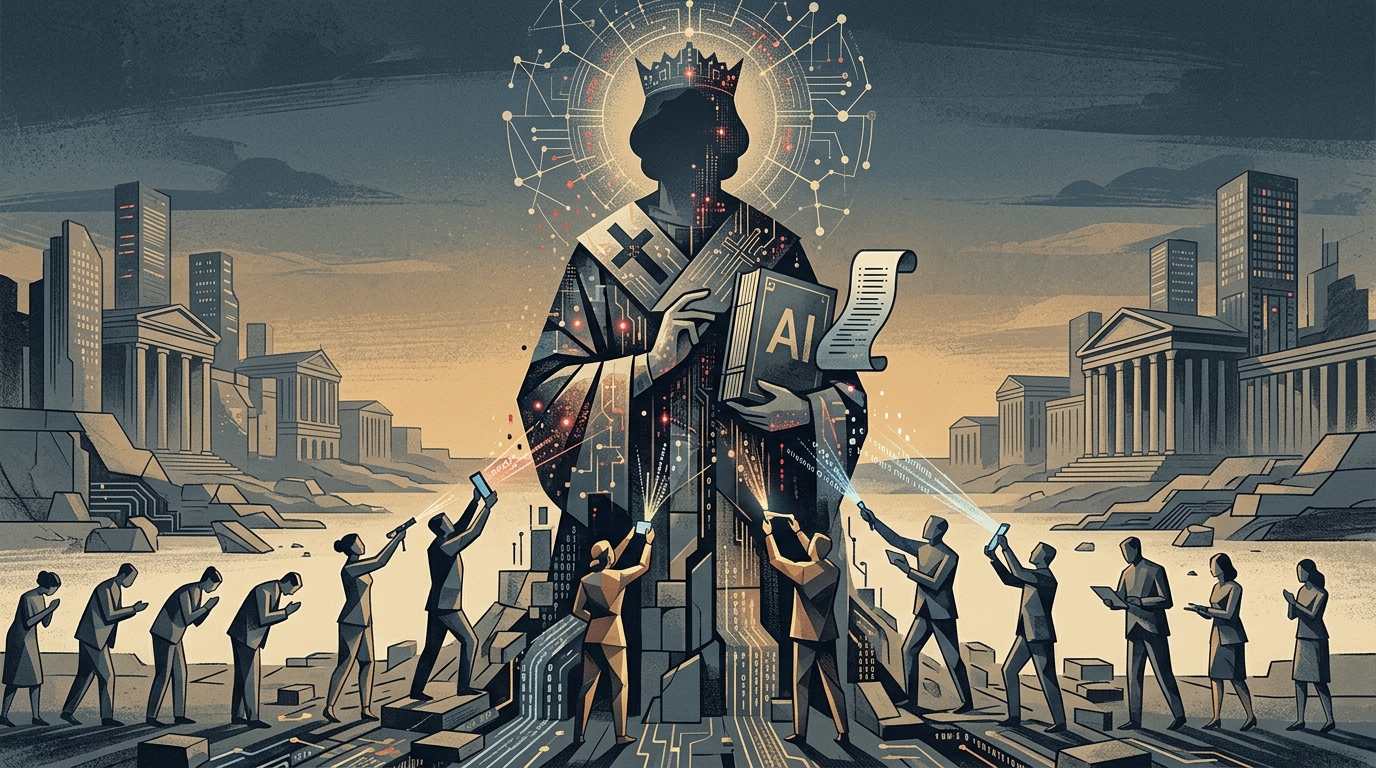
However, the adoption of AI in security brings significant ethical questions. For predictive security to be effective, it requires the collection and analysis of massive amounts of data, often personal. Where does protection end and ubiquitous surveillance begin? Using AI to monitor employee behavior under the guise of preventing insider threats can easily slide into a dystopian model of control.
"Security without liberty is a well-guarded prison. The challenge of the 21st century is to use AI to protect us without sacrificing our autonomy," say digital rights experts.
Furthermore, there is the issue of "algorithmic bias." If a security system is trained on data containing biases, it may unfairly target specific groups of users or geographic regions, creating new forms of digital exclusion. The transparency of algorithms (Explainable AI) has become an imperative necessity.
Geopolitics and the Arms Race
On a national level, AI in security has become a new arena of geopolitical power. Nation-states are investing billions in AI-based "cyber-weapons" capable of paralyzing critical infrastructure such as power grids or financial systems. The concept of "deterrence" is changing; a country's strength is no longer judged solely by its missiles, but by the resilience of its algorithms against a coordinated digital assault.
The European Union, through the AI Act, is attempting to set rules, but technology moves faster than legislation. The challenge for governments is to find the balance between enhancing national security and maintaining an open, democratic internet. The real-time challenge is not just technical; it is deeply political and social.