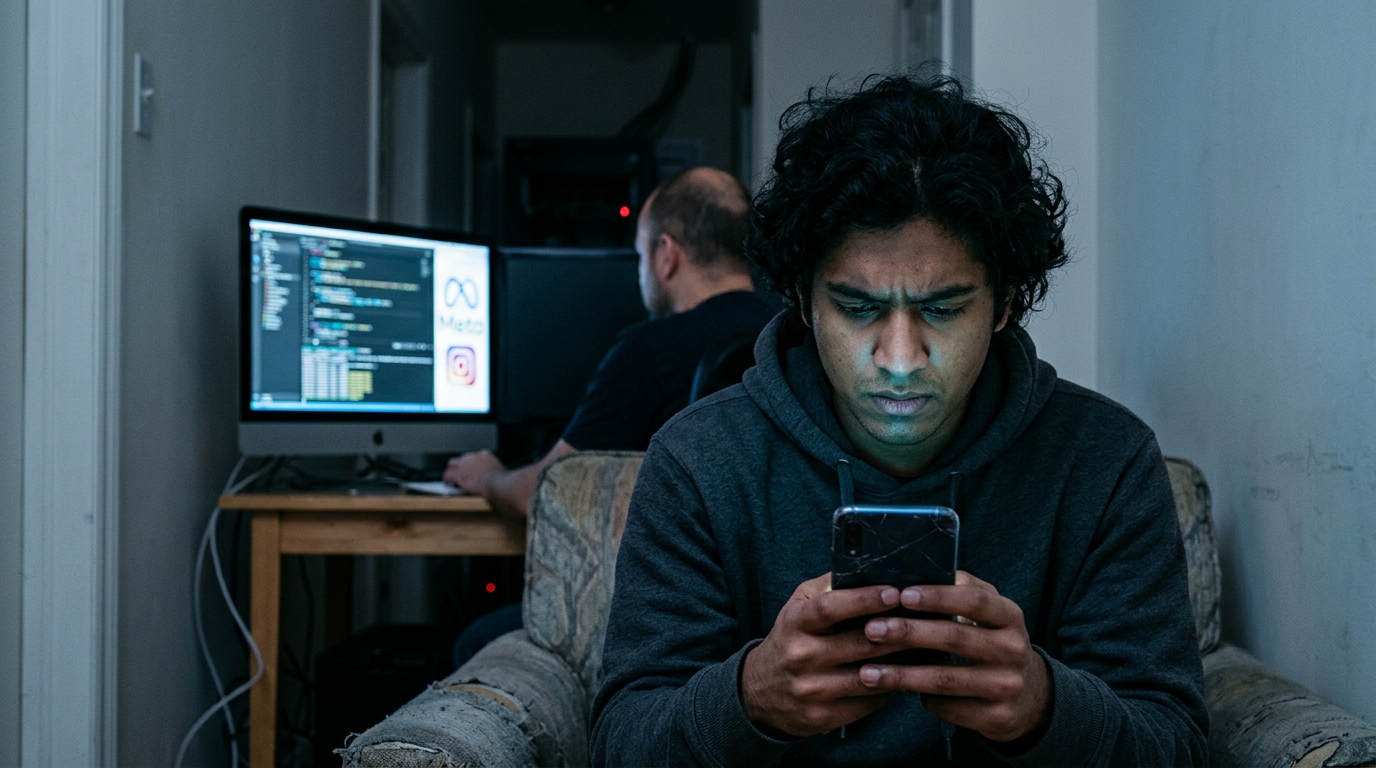
The meteoric rise of generative artificial intelligence has not only sparked a productivity revolution but also opened a Pandora’s box for a new, sophisticated form of digital fraud. As millions of users rush to experience the capabilities of tools like ChatGPT, Claude, and Gemini, a shadowy industry of 'fleeceware' apps has flooded Apple’s and Google’s digital storefronts. Recent investigations have highlighted a particularly disturbing tactic: the use of 'gift card' incentives and deceptive trial periods that morph into astronomical weekly charges, draining users' bank accounts before they even realize it.
The Anatomy of a Digital Trap
The scenario is familiar yet devastatingly effective. Fraudsters create apps with names that closely mimic popular AI models, utilizing logos and user interfaces that replicate the aesthetic of official companies like OpenAI or Anthropic. Once a user downloads the app, they are met with an aggressive marketing strategy. A 'three-day free trial' is offered, but it requires the entry of payment details or activation via prepaid gift cards.
The problem lies in 'dark patterns'—deceptive UI/UX design elements. The option to cancel the subscription is often buried deep within convoluted menus, and charges begin immediately after the brief trial expires. In many cases, users find themselves being billed amounts as high as $15 or $20 per week for services that OpenAI provides for free or at a significantly lower cost through its official channels. The use of gift cards as a payment method adds an extra layer of difficulty; banks are often unable to reverse these transactions, unlike direct credit card charges.
The Responsibility of Tech Giants
This issue raises serious questions about the oversight exercised by Apple and Google over their respective app stores. Despite assurances of rigorous security checks, hundreds of clone apps manage to bypass filters, exploiting loopholes in policies regarding 'misleading content.' Critics argue that these tech giants have an indirect financial incentive to look the other way, as they collect a 15% to 30% commission on every subscription processed through their platforms.
- Apps frequently purchase fake five-star reviews to climb the store rankings.
- Complex algorithms are used to target older demographics or individuals with limited digital literacy.
- The refund process is intentionally labyrinthine, discouraging victims from seeking recourse.
"This isn't just bad software; it's an orchestrated psychological operation that exploits the lack of public understanding surrounding a nascent technology," says a leading cybersecurity analyst.
Social Engineering and the Psychology of Fear
The fraud isn't just based on code; it's rooted in social engineering. Advertisements for these apps on social media often present AI as a 'magic bullet' for all life's problems, creating a sense of urgency—the classic FOMO (Fear Of Missing Out). Users feel that if they don't gain access 'now,' they will be left behind in the professional and social landscape. This pressure leads them to overlook red flags, such as typos in the terms of service or the absence of developer contact information.
Furthermore, the inherent complexity of AI models makes it difficult for the average person to distinguish between a genuine application and one that merely 'resells' access to a free API. Fraudsters are well aware of this, presenting basic functionalities as 'premium' features that justify exorbitant subscription fees. They hide behind the technical jargon, making the user feel that the high cost is a reflection of the technology's value.
Protection and Prevention in the AI Era
Combating this phenomenon requires a multi-faceted approach. Users must be educated to always seek out official apps via the creators' websites (e.g., openai.com) and to remain extremely skeptical of apps demanding weekly subscriptions. On the other hand, regulatory bodies in the EU and the US are pushing for stricter rules regarding dark patterns and the liability of app stores.
In the future, app authentication through digital certificates and the use of AI itself to detect fraudulent behavioral patterns within app stores may provide a solution. Until then, the best defense remains awareness and critical thinking. Artificial Intelligence is a tool for liberation, but in the hands of the unscrupulous, it can become the perfect trap for the unsuspecting consumer's wallet.