In the early months of 2026, our digital reality is undergoing a seismic shift. What began as experimental forays into digital modeling, exemplified by personas like Lil Miquela, has matured into a multi-billion dollar industry where artificial intelligence does not merely mimic human presence—it replaces it with a level of fidelity that makes detection nearly impossible for the average user. Recent reports from Vietnam.vn highlight a disturbing trend: AI characters on social media have traversed the 'uncanny valley' and now move among us as 'digital humans' with fully fleshed-out personalities, voices, and daily routines.
The Technological Leap: From Static Images to Living Video
The rapid evolution of generative video models and Large Language Models (LLMs) has provided AI character creators with tools that felt like science fiction only two years ago. Today, an AI influencer is no longer just a static image touched up in Photoshop. It is a dynamic entity capable of responding to comments in real-time, participating in live streams with flawless lip-syncing, and producing content that mirrors current fashion trends or political discourse. The use of technologies such as Neural Rendering and Generative Adversarial Networks (GANs) allows for the rendering of skin with realistic imperfections, natural hair movement, and emotive gazes—elements traditionally considered exclusively human.
- Hyper-realism: The ability to render micro-expressions that convey sincerity, irony, or empathy.
- Algorithmic Adaptation: AI personas analyze follower data to adopt the 'ideal' personality that maximizes engagement and retention.
- Economic Efficiency: Corporations increasingly prefer AI models that don't tire, don't demand raises, and are immune to real-world scandals.
The Crisis of Trust and the Ethical Vacuum
The fundamental question arising is not technical, but ethical: Do we have a right to know if the individual we are interacting with on our screen is a biological entity? The lack of clear labeling on many platforms creates an environment where deception becomes the default. Many users, particularly younger demographics, develop 'parasocial relationships' with these characters, investing emotionally in lives that do not exist. This opens the door to new forms of manipulation, ranging from the promotion of unrealistic beauty standards to the exertion of political influence through 'engineered' consensus.
"Authenticity was once the currency of social media. Today, authenticity is just another prompt in an AI model," industry analysts remark.
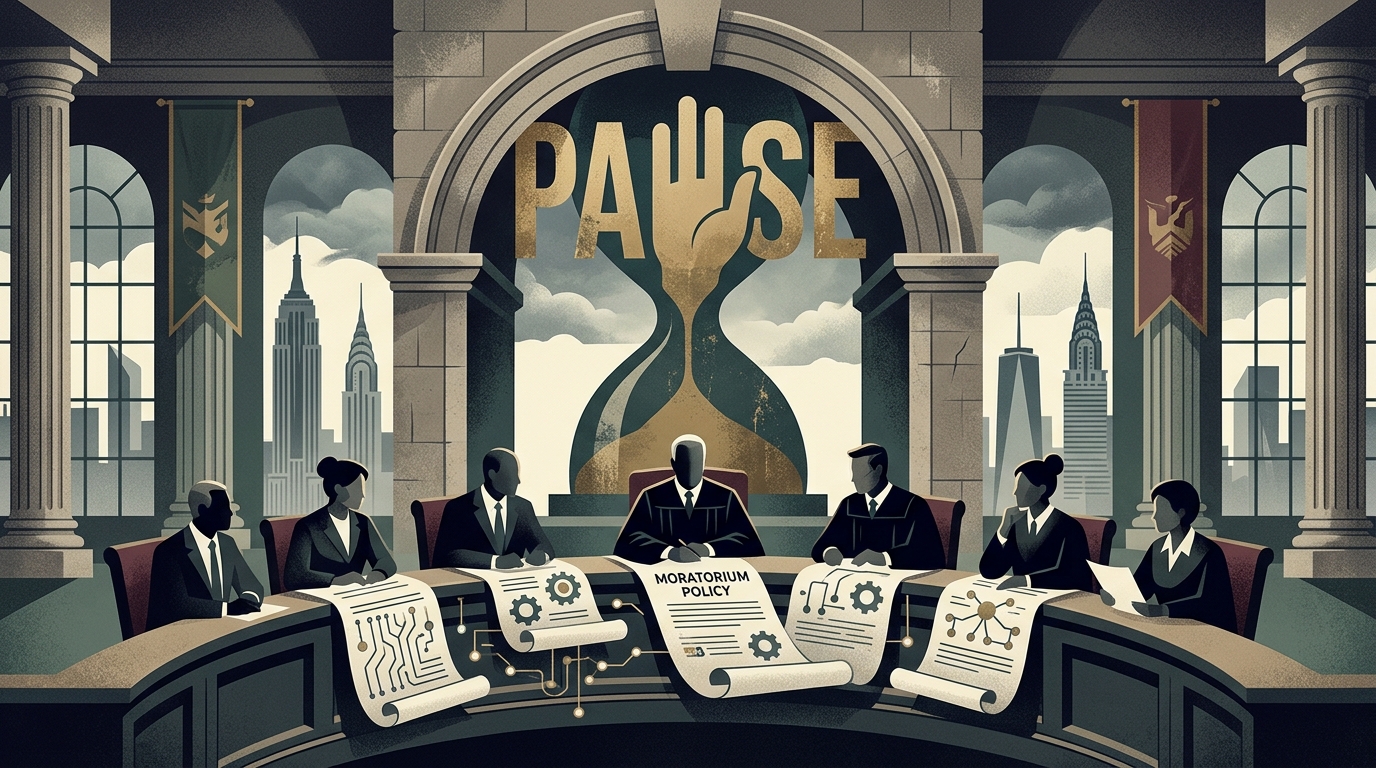
The European Union, through the AI Act, is attempting to enforce strict transparency rules, requiring clear labeling for AI-generated content. However, global enforcement remains a daunting challenge, as creators can operate from jurisdictions with lax regulations while targeting audiences worldwide. The digital borderlessness of social media makes local legislation a porous shield against global algorithmic influence.
Social Implications: Loneliness and Digital Alienation
The rise of AI characters coincides with a global loneliness crisis. For many, an AI 'friend' who is always available, unfailingly polite, and perpetually in agreement with their views offers an attractive but dangerous alternative to complex human interaction. This technology risks turning social networking into a sophisticated echo chamber where users are never challenged by diversity but are instead fed by algorithms designed to keep them tethered to the platform. Furthermore, the commercialization of these characters means that every 'advice' or 'experience' shared is often a camouflaged advertisement, devoid of the moral accountability a human influencer might feel toward their community.
Conclusion: The Necessity of Digital Literacy
As we move deeper into 2026, the ability to distinguish the artificial from the natural will become one of the most critical survival skills in the digital age. It is no longer enough to rely on our visual perception. We require critical thinking, an understanding of algorithmic mechanisms, and sustained pressure on platforms for absolute transparency. AI characters are here to stay, and while they offer new avenues for creativity and entertainment, the price may be the very essence of human connection if we do not establish necessary boundaries now.