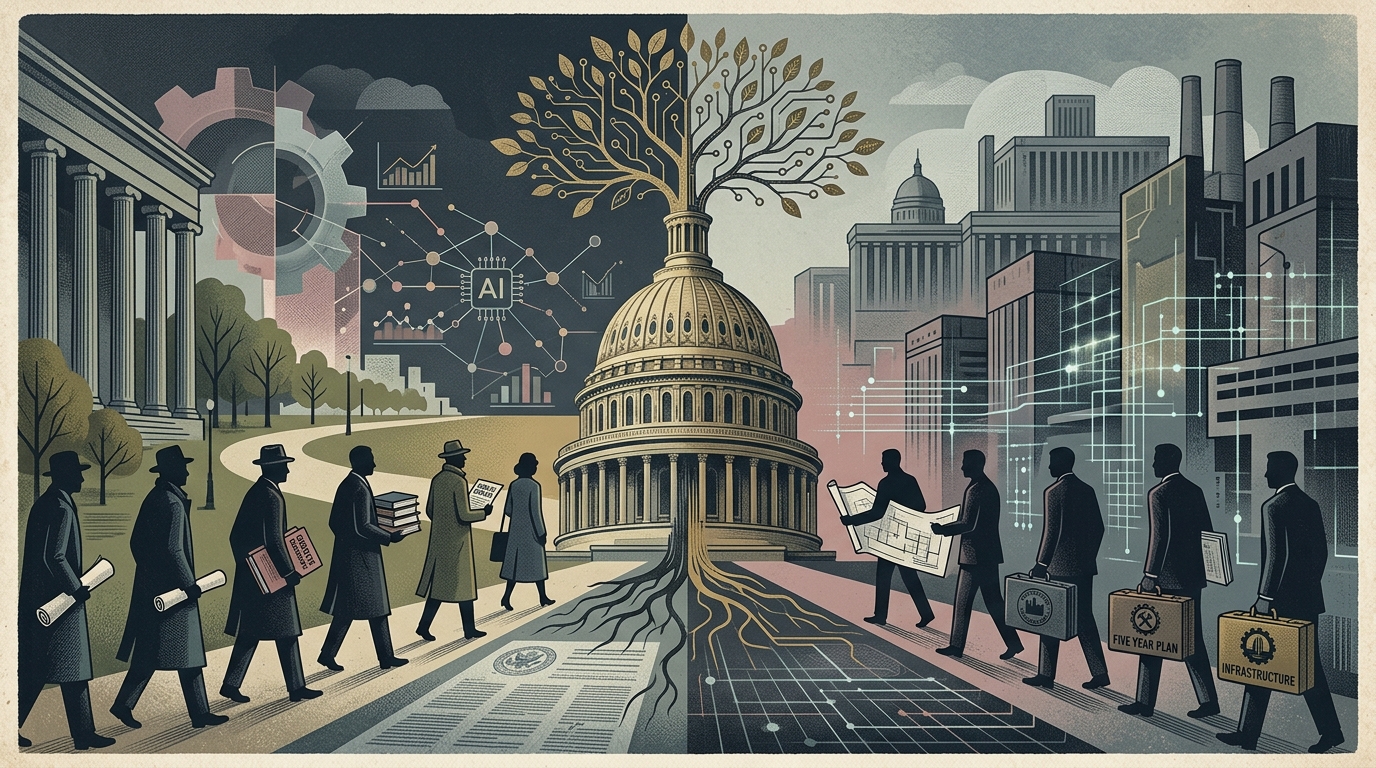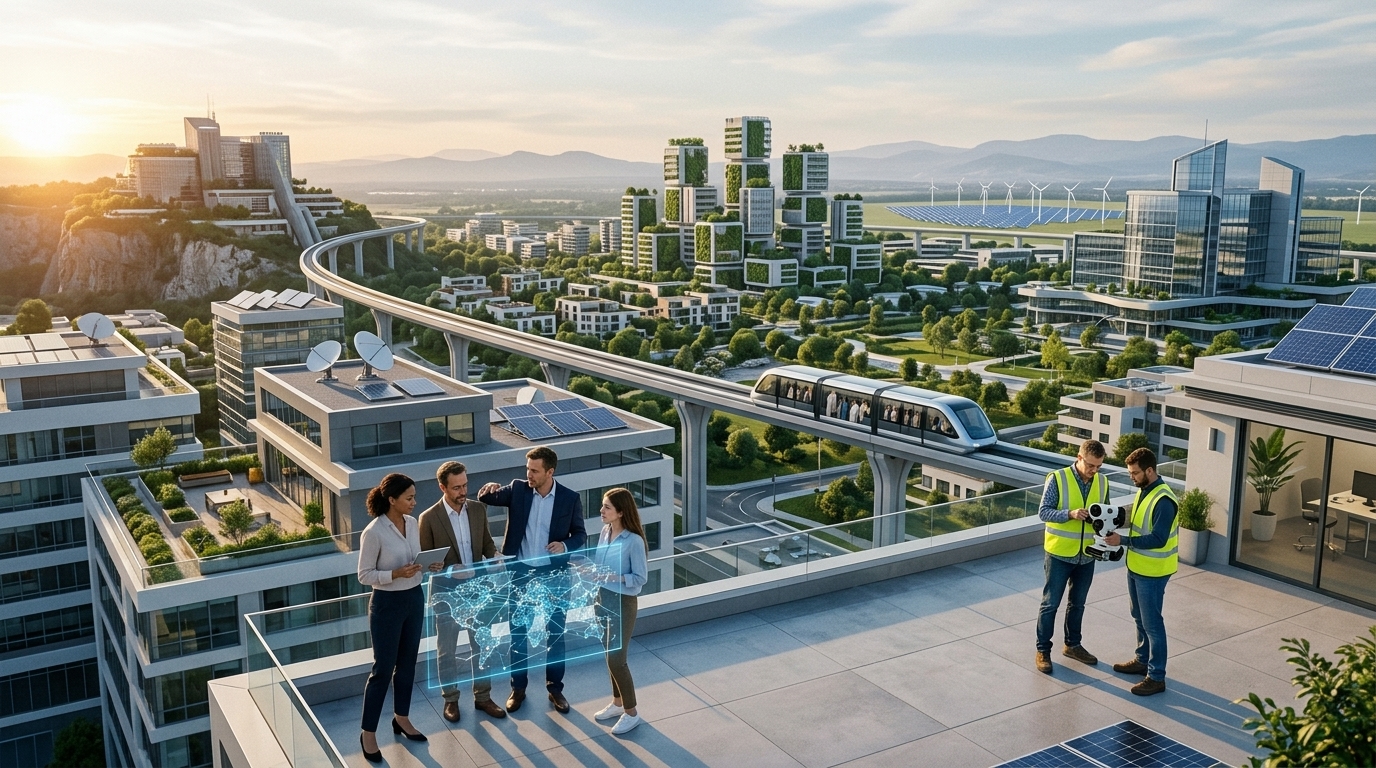
For decades, the concept of technological progress was inextricably linked to specific zip codes. From Palo Alto to Mountain View, Silicon Valley was not just a location, but a symbol of the absolute concentration of talent, capital, and power. However, as we move further into 2026, this model is showing signs of structural decline. The next great technology hub in the United States will not be a new city attempting to replicate San Francisco, but a diffuse, digitally interconnected network spanning entire regions.
The Deconstruction of Geographic Determinism
Traditional economic theory on "clusters," as articulated by economist Alfred Marshall, argued that businesses thrive when they are in close proximity, sharing a common pool of labor and knowledge. In the digital age, and especially following the Generative AI explosion, this proximity no longer requires physical presence on the same block. The rise of remote and hybrid work—which evolved from a pandemic necessity into a structural pillar of the economy—has allowed top-tier engineers to trade the exorbitant costs of the Bay Area for the quality of life found in Tennessee, Ohio, or North Carolina.
This migration is not merely an "exodus" driven by high taxes and housing costs; it is a strategic redistribution of human capital. The new "hub regions" are not autonomous entities but parts of a larger tapestry. For instance, the "Texas Triangle" connecting Austin, Dallas, and Houston, or North Carolina's "Research Triangle," function as unified ecosystems where information flows faster than commuters on a highway.
AI Infrastructure and the New Industrial Geography
A primary driver behind innovation moving outside traditional urban centers is the physical requirement of modern technology itself. The Generative AI revolution demands immense computational power and, consequently, massive data centers. These facilities cannot be built in the heart of Manhattan or downtown San Francisco. They require cheap land, abundant energy, and reliable access to cooling sources.
- Energy Sovereignty: Regions with direct access to renewable energy sources are becoming the new magnets for tech giants like Microsoft, Google, and Amazon.
- Operational Efficiency: Maintaining AI infrastructure in rural or suburban areas drastically reduces overhead costs compared to urban settings.
- Legislative Catalysts: The CHIPS Act has channeled billions into states traditionally viewed as "industrial," transforming them into high-tech semiconductor manufacturing centers.
As market analysts often point out, "the cloud isn't in the sky; it's in warehouses in Iowa and Arizona." This physical infrastructure creates secondary economies, attracting startups that need to be near the "silicon" of raw computing power.
From Monopoly to Network
The future belongs to what experts call the "Distributed Innovation Network." Instead of a single dominant city, we are witnessing regional webs where research occurs at a university in Minnesota, design happens in a studio in Colorado, and manufacturing takes place in a facility in Tennessee—all linked via advanced AI collaboration tools.
"Silicon Valley is no longer a place; it is a mindset that has gone open-source," a prominent venture capital executive recently noted.
This shift carries profound socioeconomic implications. The de-densification of major cities could lead to more balanced national growth, potentially narrowing the gap between coastal elites and the heartland. However, it also presents the risk of "digital isolation," where communities failing to plug into these corridors may be permanently sidelined from the new economy.
Conclusion: Redefining Proximity
In conclusion, the next great US tech hub is the network itself. Geography is not dying, but it is being fundamentally transformed. Success will no longer be measured by how many unicorns are headquartered in a single city, but by how effectively a region can integrate into the global digital value chain. The era of the tech "city-state" is over; the era of the "network-corridor" has begun.