The Greek real estate market is currently experiencing one of the most paradoxical periods in its modern history. Despite having one of the highest homeownership rates in Europe and a vast inventory of vacant properties, sales prices and rents have surged to levels that make housing an unattainable luxury for the average household. A recent analysis by the International Monetary Fund (IMF) attempts to clarify this phenomenon, identifying four critical factors that sustain this deadlock despite expectations of normalization following the debt crisis.
1. The Supply-Demand Mismatch: An Aging Stock
The first and perhaps most significant issue is a qualitative mismatch. Greece possesses hundreds of thousands of properties, yet a large portion of them are old, energy-inefficient, or located in areas that do not align with modern professional needs. Buyers are looking for new builds or fully renovated homes, which are in short supply. The decade-long economic crisis effectively froze construction activity, resulting in a supply gap of new housing units estimated in the tens of thousands. This lack of modern inventory drives the prices of the few available quality properties to the stratosphere, dragging older properties into an artificial upward spiral.
2. The Impact of Tourism and the Golden Visa
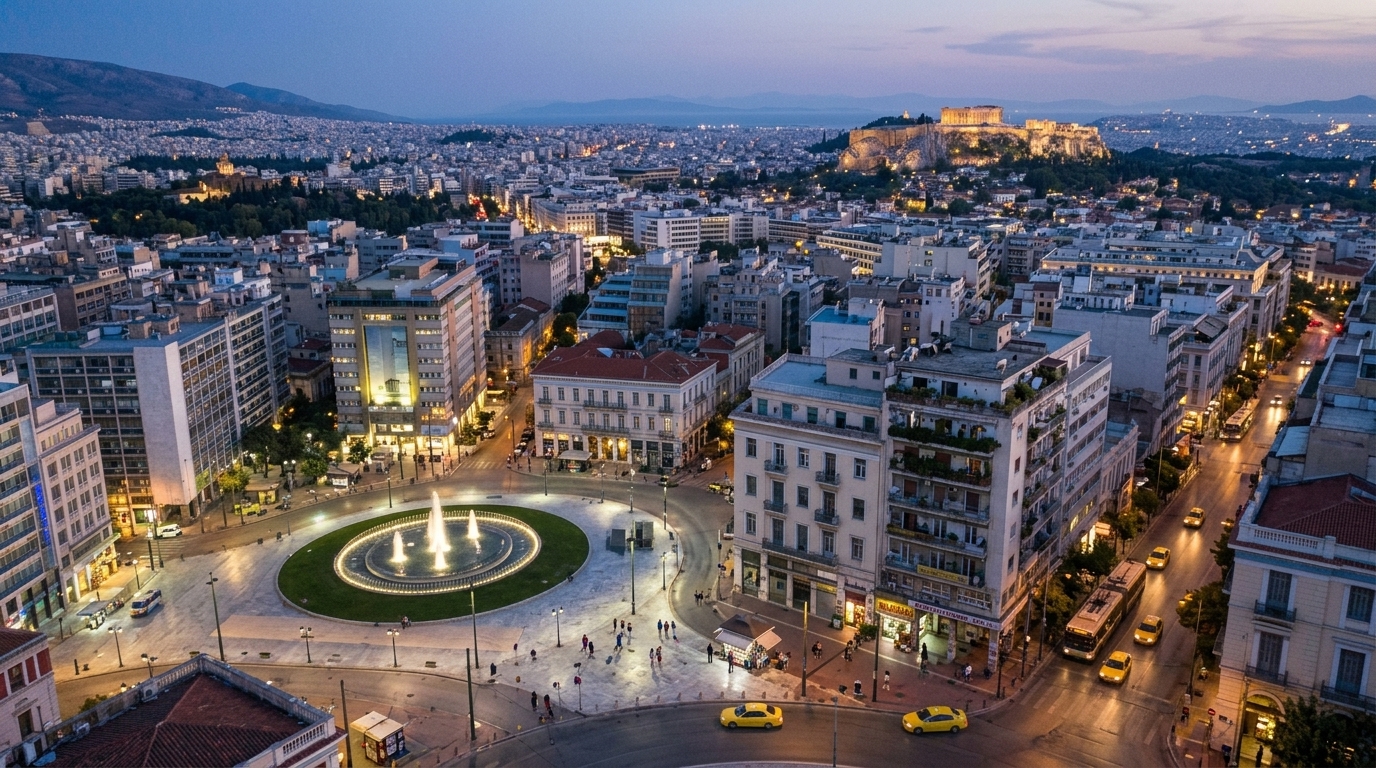
The pivot of the Greek economy toward tourism has had unintended consequences for domestic housing. The explosion of short-term rentals, such as Airbnb, has transformed entire neighborhoods—especially in central Athens and coastal areas—into tourist hubs. This shift has removed thousands of properties from the long-term rental market, drastically reducing supply for permanent residents. Simultaneously, the Golden Visa program, while attracting much-needed capital, acted as a price accelerator. Foreign investors often purchased properties at prices exceeding their market value to secure residency permits, establishing a new price floor that is completely detached from local wages.
3. 'Locked' Properties and the Banking System
One of the darkest legacies of the Greek crisis remains the issue of Non-Performing Loans (NPLs). Hundreds of thousands of properties are currently 'trapped' within the portfolios of banks and distressed debt managers (servicers). Although these properties physically exist, they are legally and functionally off the market. Slow foreclosure processes and bureaucratic hurdles prevent these homes from re-entering circulation. The result is an artificial scarcity: while there are empty houses, no one can buy or rent them, keeping prices at 'scarcity' levels despite the actual volume of bricks and mortar.
4. Construction Costs and Inflationary Pressures
Finally, the international economic climate has not favored a price de-escalation. The energy crisis and supply chain disruptions led to a vertical increase in the cost of construction materials. Today, a developer faces construction costs up to 40% higher than five years ago. This cost is passed directly to the final buyer. Furthermore, high interest rates from the European Central Bank make borrowing more expensive, reducing the purchasing power of households. Paradoxically, this has not lowered prices, as owners prefer to keep properties off the market rather than sell at what they perceive as a loss.
Conclusion: The Need for a New Housing Policy
The IMF's analysis emphasizes that the housing problem in Greece is not merely economic but structural. Without bold reforms—including incentives for renovating old buildings, stricter regulations on short-term rentals, and the rapid release of bank-held properties—the dream of homeownership will remain elusive for younger generations. The housing crisis now threatens social cohesion and the demographic future of the country, necessitating immediate and strategic intervention.