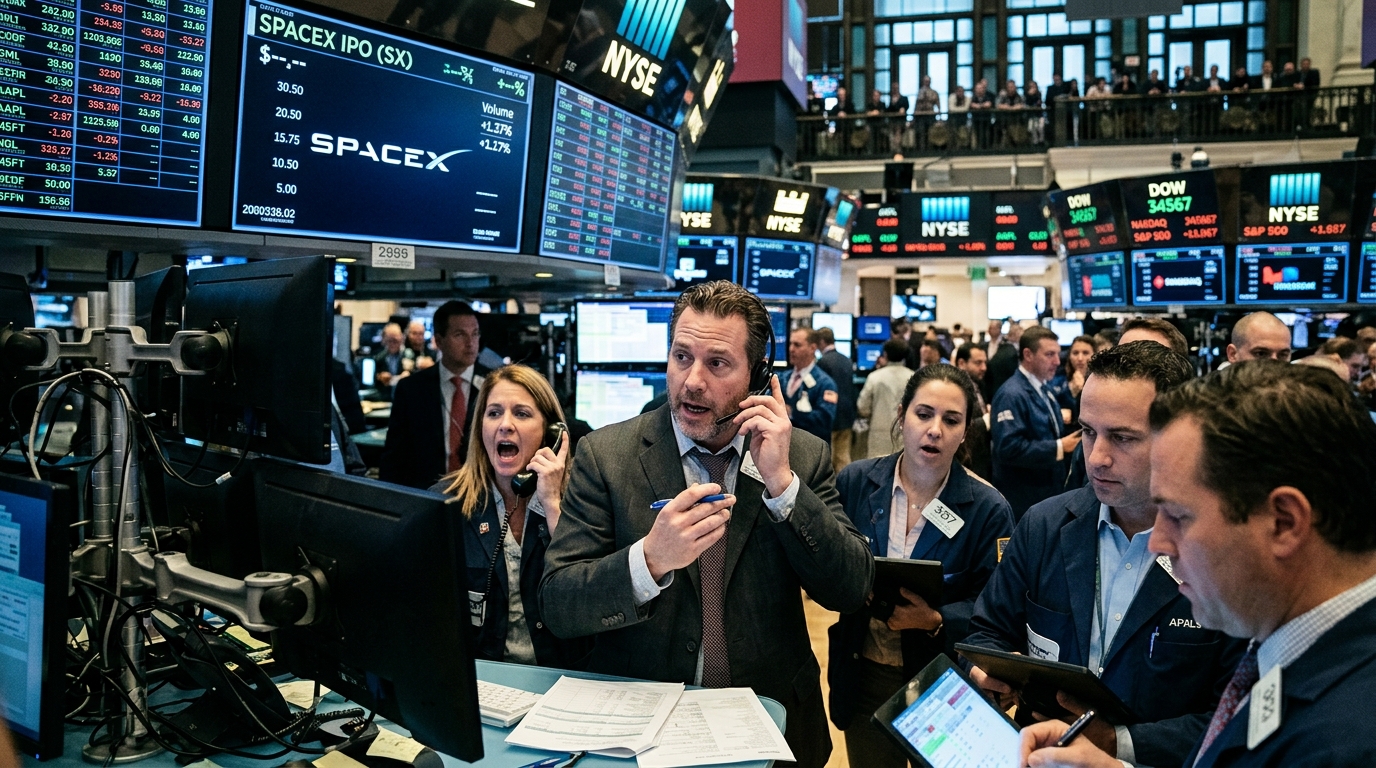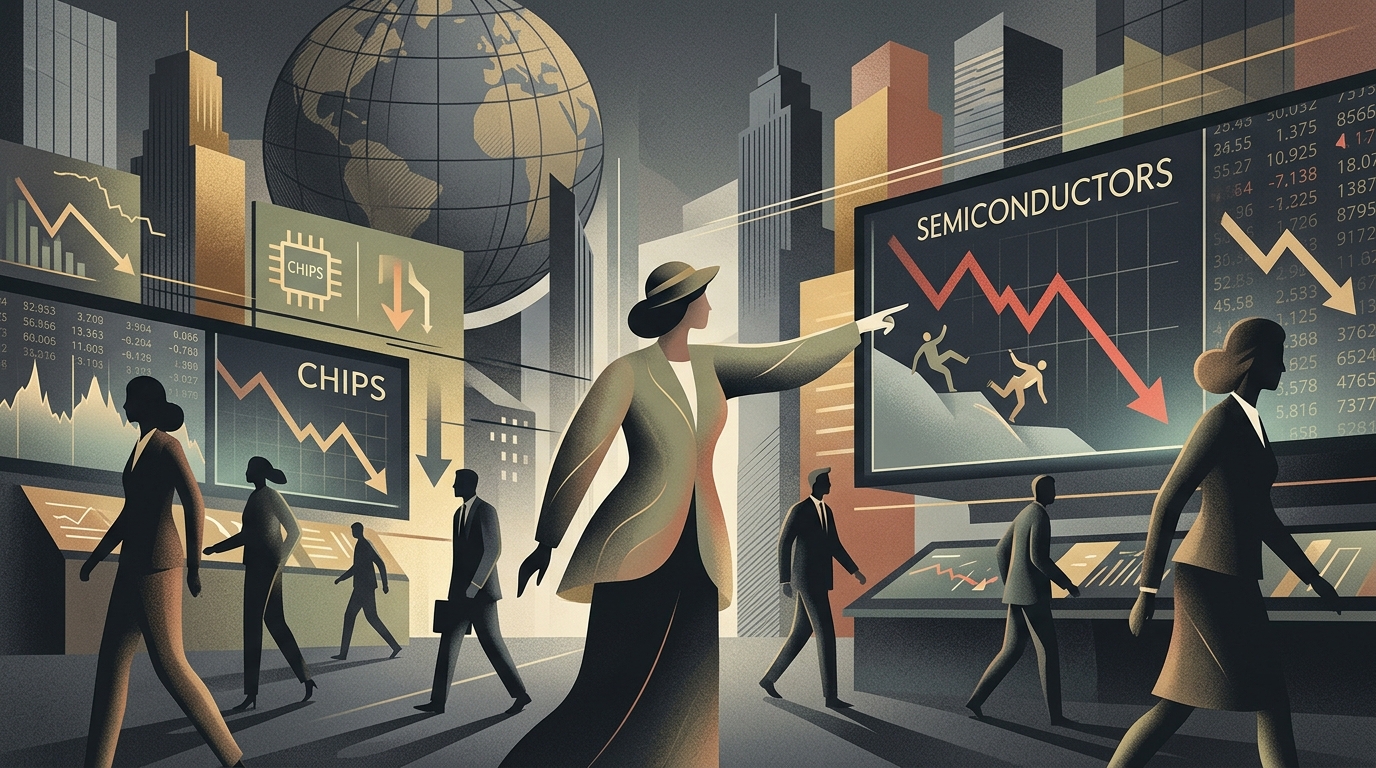
For decades, mainstream economic theory taught that markets are "efficient." According to the Efficient Market Hypothesis (EMH), stock prices instantaneously incorporate every available piece of information, acting as the ultimate predictive indicator for the trajectory of the global economy. However, the reality of the 21st century, marked by abrupt surges, speculative bubbles, and unjustifiable collapses, proves that the stock market resembles a distorting mirror more than a clear crystal ball.
The Information Trap and the Noise
The core argument of those asserting that the stock market should not be trusted as a predictive tool lies in the nature of information itself. In the age of information overload, distinguishing between "signal" (useful information) and "noise" (irrelevant or misleading data) has become nearly impossible. Stock prices no longer react solely to balance sheets and earnings, but to tweets, social media rumors, and, most importantly, the actions of High-Frequency Trading (HFT) algorithms.
When a stock rises, it often isn't because the company discovered a new technology or increased its sales, but because an algorithm detected a trend and amplified it, triggering a chain reaction of buys from other algorithms. This self-fulfilling prophecy creates an illusion of growth that has nothing to do with the future productivity of the real economy.
Mass Psychology and the Theory of Reflexivity
George Soros introduced the concept of "reflexivity," arguing that investor perceptions influence fundamentals and vice versa. If investors believe a market will rise, the influx of capital can indeed improve the financial standing of companies (e.g., through easier borrowing), creating a feedback loop. However, this cycle is fragile. Mass psychology—the Fear Of Missing Out (FOMO) or panic selling—leads to extreme fluctuations that do not predict the future but merely reflect the current anxiety of the participants.
Historical examples, from the 17th-century "Tulip Mania" to the dot-com bubble and the recent rise of meme stocks, show that the market can remain irrational much longer than an investor can remain solvent. The belief that the market "knows something we don't" is often a dangerous fallacy.
The Decoupling of Wall Street and Main Street
One of the most concerning phenomena of recent years is the complete decoupling of stock market indices from the real economy (Main Street). During the pandemic, while unemployment skyrocketed and businesses closed, markets hit historic highs. This occurred due to the massive liquidity injected by central banks, rather than any optimistic prediction for the future of labor.
Furthermore, the concentration of power in a few technology giants (the so-called "Magnificent Seven") means that entire indices are dragged along by the performance of a handful of players. If Nvidia or Apple has a good day, the S&P 500 looks healthy, even if 80% of the remaining companies are struggling to survive. This distortion makes the stock market an unreliable metric for general prosperity.
The Future of Investing in an Uncertain World
If the stock market is not the guide to the future, then what is? The answer lies in analyzing long-term trends: demographic shifts, the climate crisis, geopolitical realignments, and the impact of artificial intelligence on productivity. These factors are often ignored by short-term market players chasing next-quarter profits.
For the average citizen and investor, understanding that a stock price is a composite of expectations, fear, algorithmic activity, and monetary policy is essential. Blindly trusting market movements as an omen of what is to come is like trying to drive a car by looking only at the rearview mirror—and a cracked one at that.