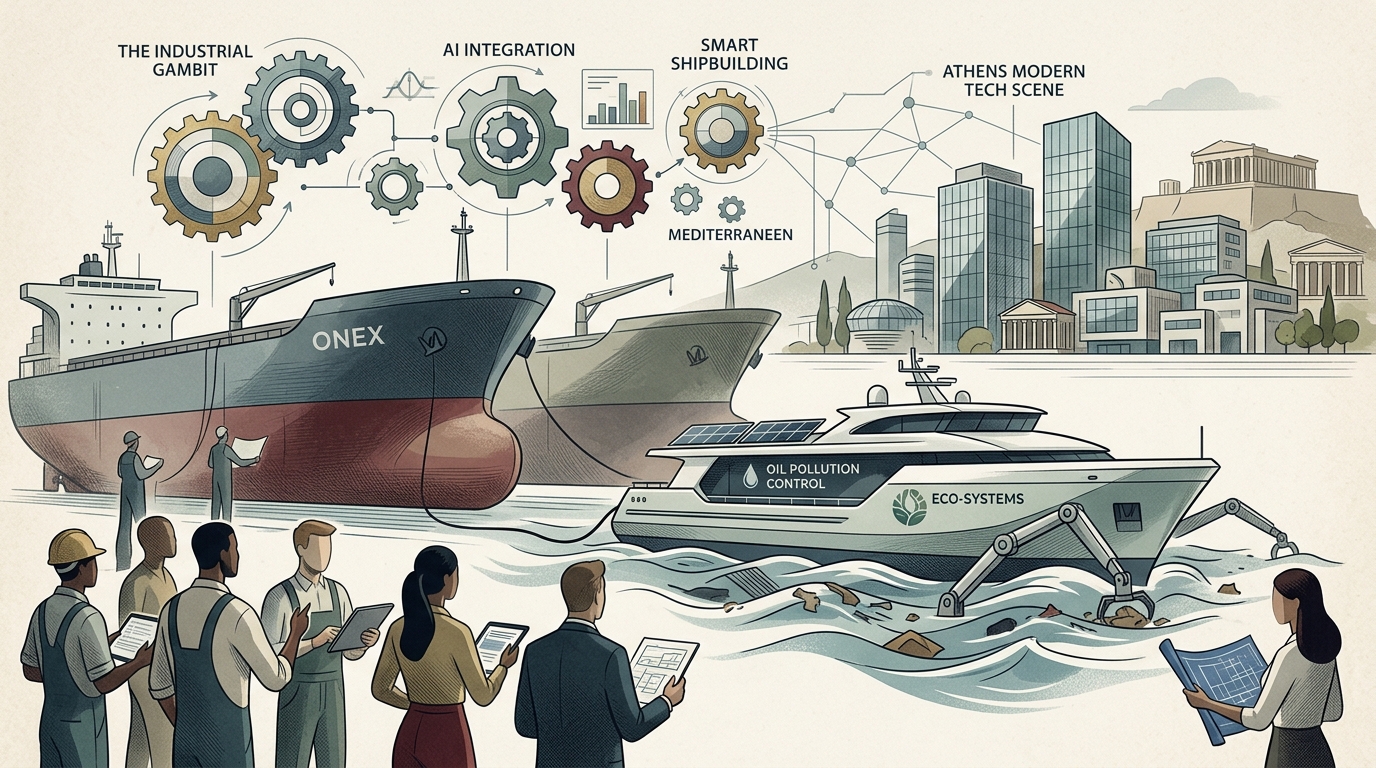
The signing of the agreement for the construction of pollution control vessels at the ONEX shipyards, in the presence of Minister of Climate Crisis and Civil Protection Vassilis Kikilias, represents far more than a mere commercial transaction. It is the tangible confirmation of a long-term effort to reclaim the lost prestige of the Greek shipbuilding and repair industry, which for decades remained trapped in neglect and debt. This move is part of the broader "Aegis" program, aimed at modernizing the country's protective assets against the mounting challenges of climate change.
The Strategic Importance of Domestic Production
The decision to entrust the construction of these specialized vessels to Greek hands is not just symbolic. For years, the Greek state turned to foreign shipyards to meet its needs, exporting capital and expertise. With this new agreement, ONEX—which manages the shipyards in Syros and Elefsina—takes on the responsibility of proving that Greece can produce high-tech vessels meeting the strictest international standards. Pollution control vessels are critical for protecting the Greek marine ecosystem, especially at a time when tanker traffic in the Mediterranean is increasing and the risks of ecological disasters are more visible than ever.
- Boosting the local economy through the creation of hundreds of jobs.
- Reducing dependence on foreign suppliers for critical national infrastructure.
- Developing expertise in "green" maritime technologies.
- Strengthening ties between the public sector and domestic heavy industry.
The ONEX Model and US Support
The revival of the shipyards in Elefsina and Syros would not have been possible without the geopolitical dimension provided by cooperation with US entities, such as the DFC (Development Finance Corporation). Washington views Greek shipyards as a strategic hub for ship maintenance in the Eastern Mediterranean, a fact that aligns with Greek interests for economic sovereignty. Minister Kikilias emphasized that this agreement is part of a wider plan to make Greece a leader in the "Blue Economy."
"Greece is not just the world's largest shipping fleet; it must also become the center for the technical support of that fleet,"ministry circles noted.
Challenges and Future Prospects
Despite the optimism, the road ahead is not without obstacles. Competition from shipyards in Turkey and Southeast Asia remains intense, primarily due to lower labor costs. The Greek side is betting on quality, safety, and proximity to European Union decision-making centers. Furthermore, the shortage of specialized technical personnel—a result of the long-standing economic crisis—requires immediate investment in education and vocational training for young naval architects and technicians. The success of the pollution control vessel program will serve as a "passport" for undertaking even larger projects, such as the construction of naval vessels or large commercial ships in the future.
In conclusion, the agreement announced marks a new era. It is not just about protecting our coasts from oil and waste, but about protecting the country's industrial identity itself. If Greece manages to combine its traditional maritime power with a modern, competitive shipbuilding base, its economic resilience will gain a depth it has never had before.