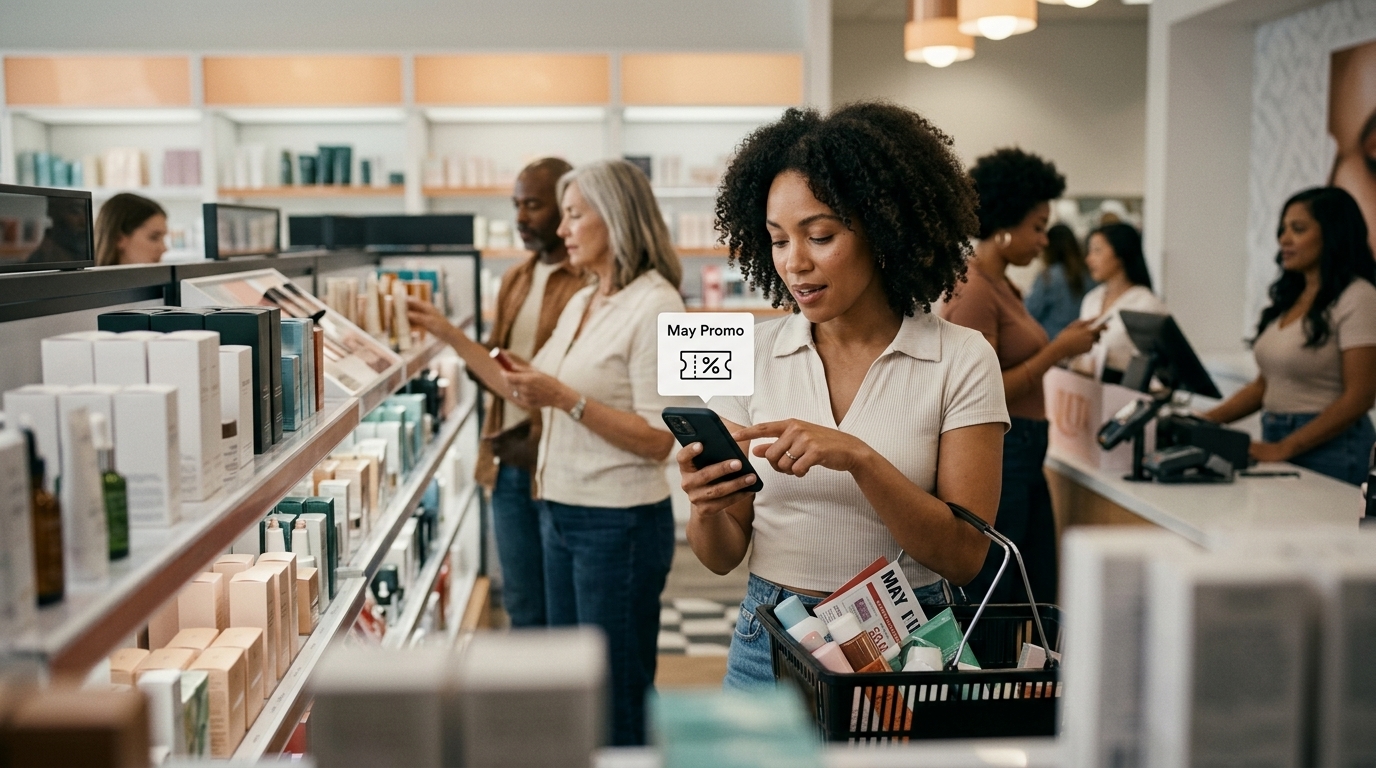
As we navigate through May 2026, the beauty retail sector finds itself at a pivotal crossroads. The recent announcement from Ulta Beauty regarding extensive promo codes and discounts reaching up to 50% off top-tier brands and beauty technology is not merely a seasonal gesture for Mother's Day. Instead, it represents a sophisticated response to inflationary pressures and the shifting consumer behaviors observed over the last two years. Ulta, a powerhouse with thousands of physical locations and a dominant digital footprint, is utilizing these incentives to solidify its market dominance against rivals like Sephora and Amazon.
The 'Lipstick Effect' in the Digital Era
Historically, the beauty industry has proven remarkably resilient during economic downturns, a phenomenon famously termed the 'Lipstick Effect.' Consumers tend to forgo major luxuries, such as international travel or luxury vehicles, but turn to small, affordable indulgences to maintain a sense of well-being. In 2026, this effect has evolved. Beauty is no longer just about cosmetics; it encompasses 'beauty tech'—from UV-based skincare devices to AI-driven smart mirrors that provide real-time skin analysis. Ulta’s May discounts target this exact niche: making high-end technology accessible to the middle class while maintaining revenue flow at a time when disposable income is squeezed by rising housing and energy costs.
Strategic Inventory and Data Management
Behind every promo code lies a complex algorithm. Ulta Beauty has invested billions into data analytics through its Ultamate Rewards loyalty program. The May discounts are not universal; they are precision-targeted. The company uses these offers to clear out inventory for products slated for replacement by summer lines, thereby reducing carrying costs. Simultaneously, the 'Up to 50% Off' strategy acts as a powerful magnet for Customer Acquisition Cost (CAC) optimization. In a market where Amazon gains ground through logistical speed, Ulta bets on the 'curated shopping' experience—a blend of physical touchpoints and digital convenience that pure-play e-commerce struggles to replicate.
The Profit Margin Challenge
Despite the surge in sales volume that promotions drive, Wall Street maintains a cautious eye on profit margins. Deep discounting can erode brand equity if utilized excessively. However, Ulta appears to be employing a 'dynamic pricing' methodology. Promo codes often require a minimum spend (e.g., $15 off purchases of $50 or more), which effectively boosts the Average Order Value (AOV). Furthermore, the integration of in-store salon and aesthetic services creates a sticky ecosystem that discourages churn. This strategy transforms Ulta from a simple retailer into a service and experience provider, shielding it from the commoditization threat posed by digital-only competitors.
The Future of Beauty Retail
Looking ahead, the success of May’s promotional activities will serve as a barometer for the remainder of the fiscal year. If consumer response remains robust, it will confirm that personal care remains a non-negotiable priority despite economic volatility. However, if consumers remain hesitant even at 50% price cuts, the industry may need to radically overhaul its pricing structures. Ulta Beauty, through its demonstrated agility, is setting the pace: survival in 2026 retail requires a combination of aggressive promotions, technological superiority, and a profound understanding of consumer psychology. The battle for the 'beauty basket' is only just beginning to heat up.