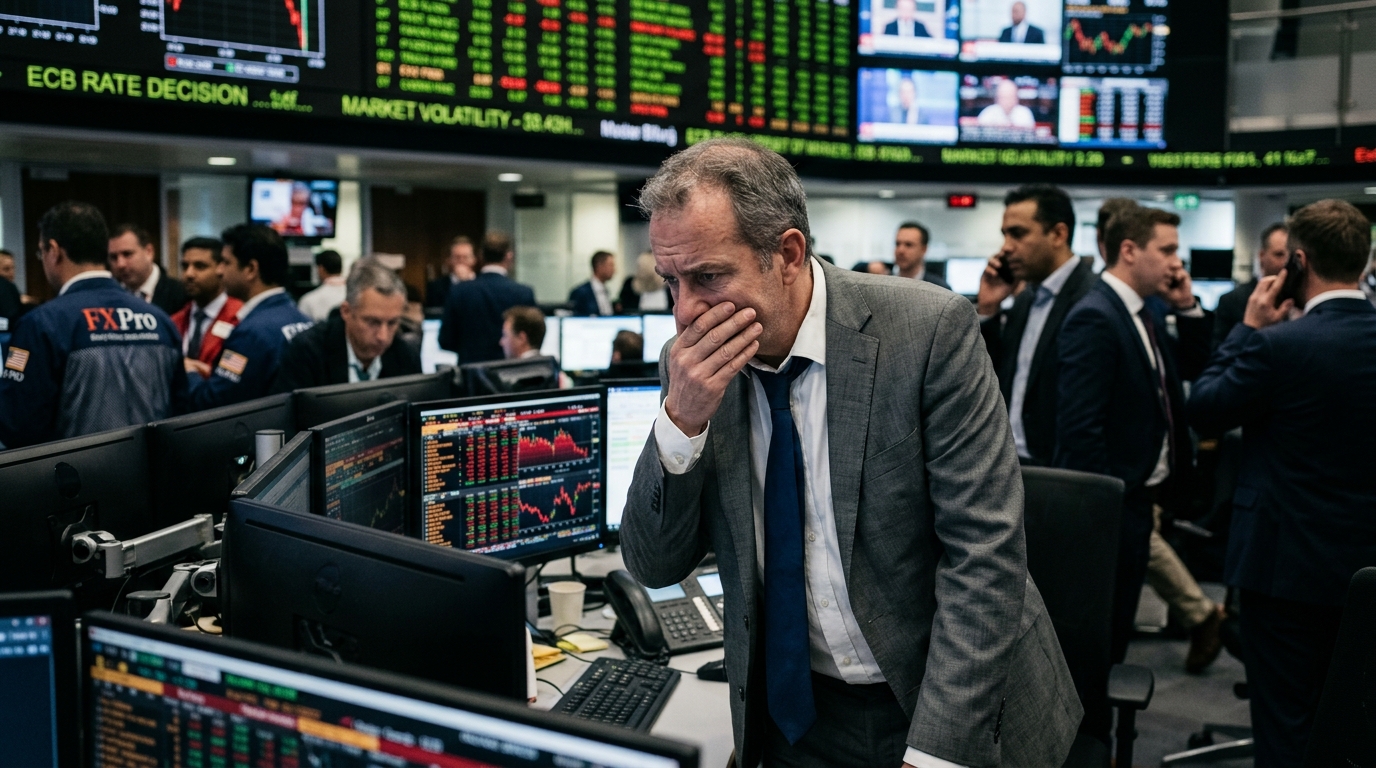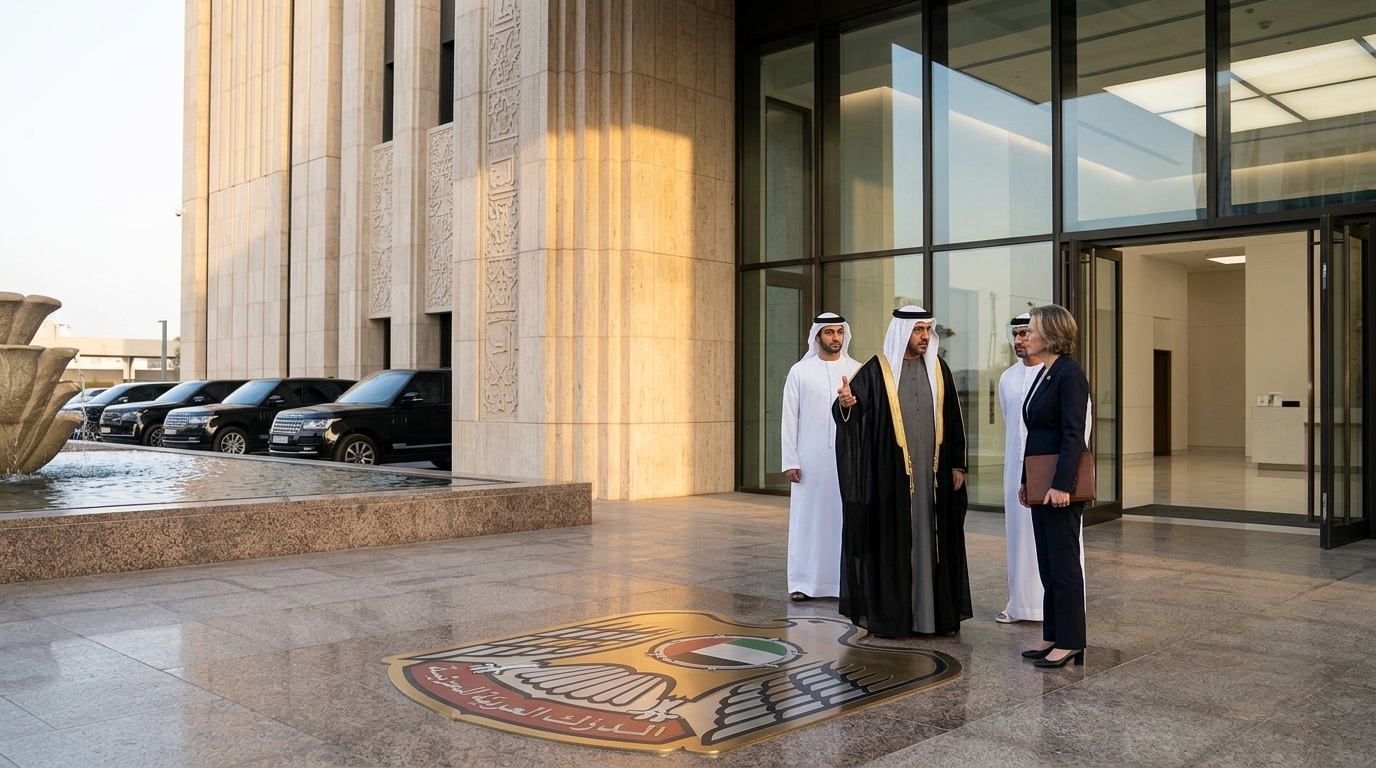
In the high-stakes corridors of global financial diplomacy, reports that the United Arab Emirates (UAE) is in talks with the United States for a financial "lifeline" via the Federal Reserve have sent ripples through the markets. According to the Wall Street Journal and Fortune AI, UAE Central Bank Governor Khaled Mohamed Balama proposed a currency swap line during meetings with U.S. Treasury and Fed officials in Washington last week. This is far more than a technical liquidity arrangement; it is a profound geopolitical signal at a time when the Middle East faces the specter of a broader conflict with Iran.
The Mechanics and Necessity of Currency Swaps
A currency swap line allows a foreign central bank to exchange its national currency for U.S. dollars at a fixed exchange rate. This provides immediate dollar liquidity, which is vital for nations like the UAE whose currency, the Dirham, is pegged to the greenback. In times of extreme market stress, the demand for dollars spikes. If a central bank lacks sufficient liquid reserves to satisfy this demand, it risks losing control over its currency peg, leading to catastrophic economic consequences.
For the UAE, access to a Fed swap line would represent the ultimate insurance policy. While Abu Dhabi commands trillions in assets through its Sovereign Wealth Funds (SWFs), liquid cash is a different beast than long-term investments. This request suggests that the UAE is preparing for a worst-case scenario: a total market destabilization triggered by regional warfare.
The Geopolitical Chessboard: Iran and the U.S. Leverage
The timing of these talks is anything but coincidental. The escalating shadow war between Israel and Iran places the UAE in a precarious position. For years, the Emirates have walked a tightrope, normalizing ties with Israel via the Abraham Accords while maintaining critical trade links with Tehran. However, a full-scale regional war would make this balancing act untenable.
"Financial stability in the Gulf is inextricably linked to the security of the Strait of Hormuz. Any disruption there would send shockwaves through global energy and liquidity markets," market analysts suggest.
Washington, for its part, views this request as a powerful bargaining chip. A swap line is never a free gift; it comes with strings attached. These likely include demands for stricter compliance with sanctions against Russia and Iran, as well as pressure to roll back Chinese influence in the UAE’s telecommunications and technology sectors. The Biden administration appears to be using the dollar as a form of soft power to keep Abu Dhabi firmly anchored within the Western orbit.
The Paradox of De-dollarization
There is a striking irony in these negotiations. While the UAE has recently joined the BRICS bloc and explored using local currencies for oil trade with India and China, it is turning to the Federal Reserve the moment a crisis looms. This underscores the undiminished hegemony of the U.S. dollar as the world’s reserve currency. Despite the persistent rhetoric of "de-dollarization," when the ground shakes, the dollar remains the only reliable shelter.
These talks also highlight the inherent vulnerability of Gulf economies. Despite Herculean efforts to diversify away from hydrocarbons, their reliance on the global financial architecture remains absolute. A swap line would provide the UAE with the necessary "breathing room" to manage the capital outflows that typically accompany military escalations in the region.
Conclusion: A New Era of Financial Alignment?
If these negotiations succeed, the UAE would join an elite group of nations outside the core developed economies (such as the ECB, Bank of England, and Bank of Japan) with access to such a facility. This would upgrade the UAE’s status as a top-tier U.S. strategic partner but would simultaneously constrain its foreign policy autonomy. In an increasingly multipolar world, the need for Fed protection serves as a stark reminder that economic realism often trumps geopolitical ambition.