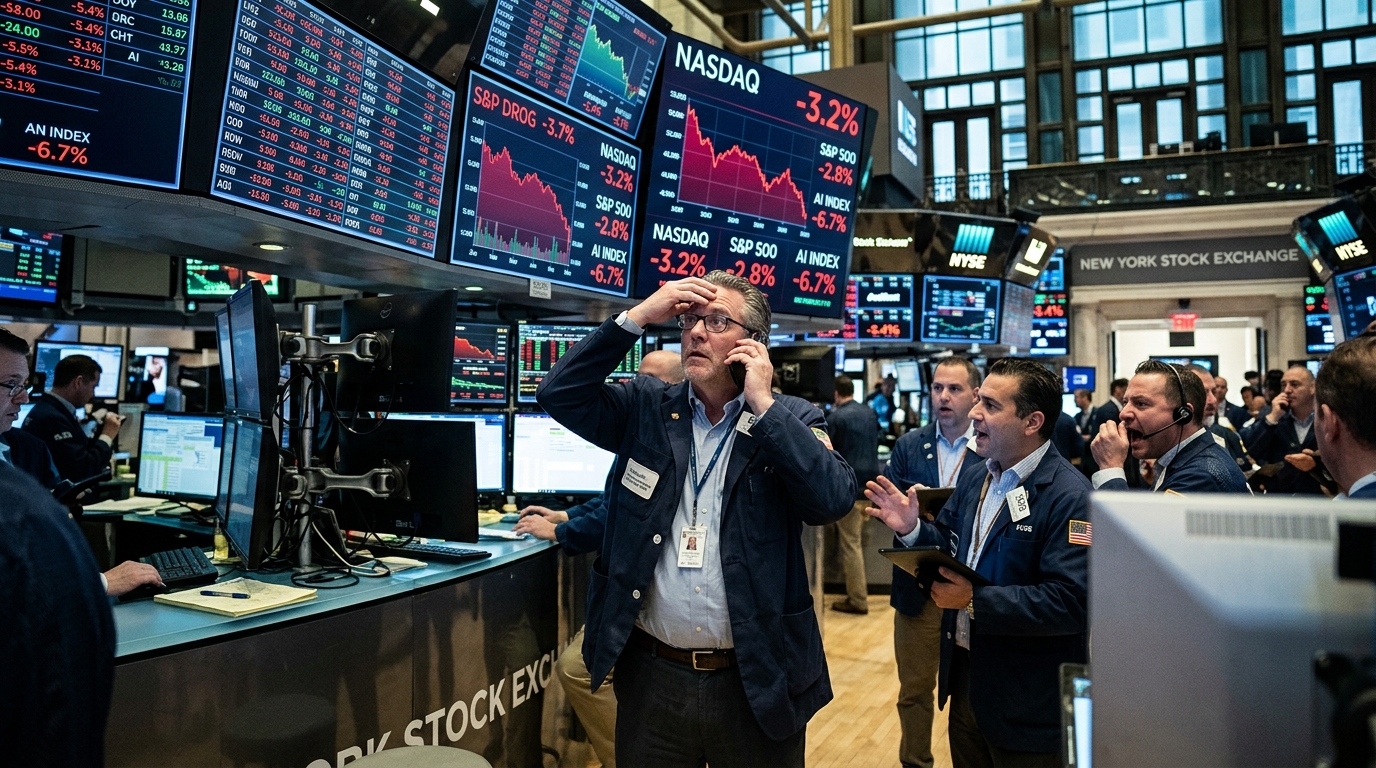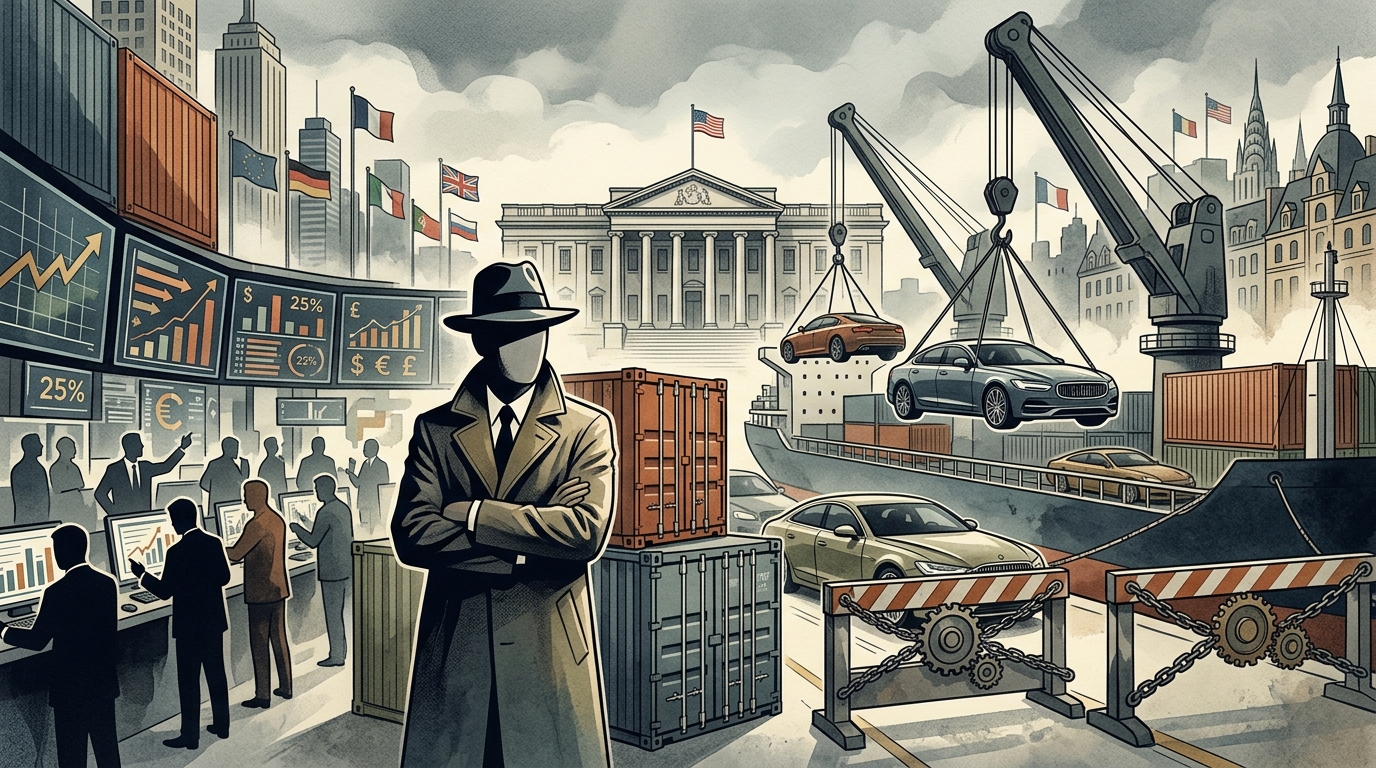
In a move reminiscent of the most turbulent days of his first term, Donald Trump has announced his intention to impose 25% tariffs on imports of cars and trucks from the European Union. The news, initially reported by Fortune, has already triggered significant tremors in international markets, signaling an aggressive return to the "America First" policy and placing the stability of transatlantic trade relations in immediate jeopardy.
Germany in Washington's Crosshairs
It is no secret that the German automotive industry is the backbone of the European economy and the primary target of US tariffs. Giants such as Volkswagen, BMW, and Mercedes-Benz export hundreds of thousands of vehicles annually to the US. A tariff hike to 25%—up from the current 2.5% for passenger cars—would make European vehicles prohibitively expensive for the average American consumer.
Analysts warn that the consequences for Berlin will be catastrophic.
"This is not just a tax; it is an existential threat to the German industrial model, which is already under pressure from high energy costs and competition from China,"says a Frankfurt-based economic analyst. The German government is on high alert, as the automotive sector directly and indirectly employs millions of workers.
The Legal Basis and "National Interest"
Trump is expected to invoke Section 232 of the Trade Expansion Act of 1962, which allows the US President to impose tariffs for "national security" reasons. The American argument is that the weakening of the domestic auto industry due to imports undermines the country's technological and industrial base. However, the European Union categorically rejects this logic, labeling it a pretext and a violation of World Trade Organization (WTO) rules.
Trump's strategy appears aimed at forcing European companies to move more production lines to US soil. Although companies like BMW already operate massive plants in the US (such as the one in Spartanburg, South Carolina), a large portion of components and premium models are still imported from Europe.
Brussels' Response: Retaliation and Diplomacy
The European Commission is not standing idly by. According to sources in Brussels, a retaliation list is already being prepared, targeting iconic American products. From bourbon whiskey and Harley-Davidson motorcycles to tech products and agricultural goods, the EU intends to respond in kind, hitting states that are Republican strongholds.
- Imposing tariffs on American agricultural products (soybeans, corn).
- Filing a complaint with the World Trade Organization.
- Strengthening trade ties with Asia to reduce dependence on the US market.
However, there is a fear that a trade war will lead to a global recession. At a time when inflation remains a sensitive variable, the increased cost of goods due to tariffs will ultimately hurt the purchasing power of consumers on both sides of the Atlantic.
Conclusion: A New Era of Protectionism
Trump's move is not merely a negotiating tactic but a confirmation of a deep shift in global trade. The era of unfettered globalization is giving way to an aggressive economic nationalism. For Europe, the message is clear: strategic autonomy is no longer an option but a necessity for survival. Next week will be pivotal for the future of the global economy, as the implementation of these tariffs could be the first domino in a series of geopolitical realignments.