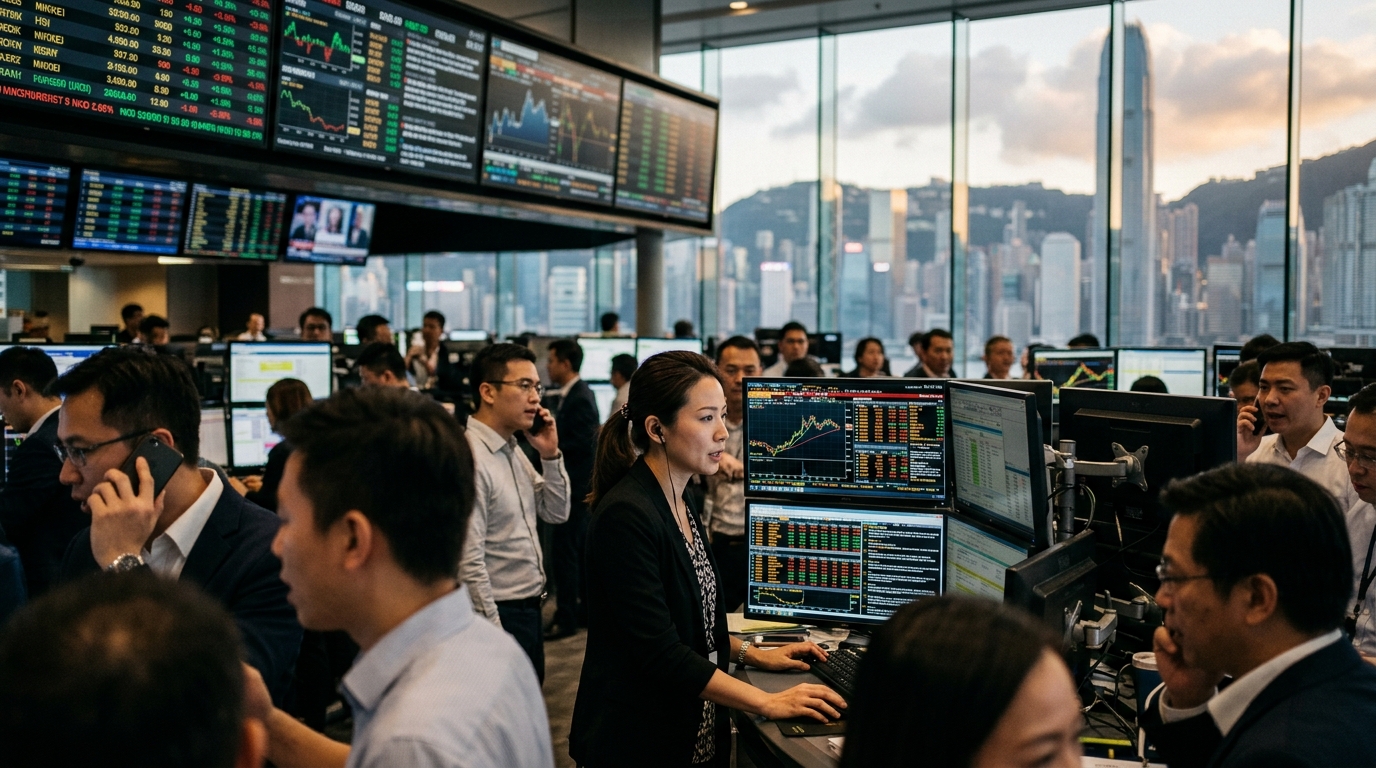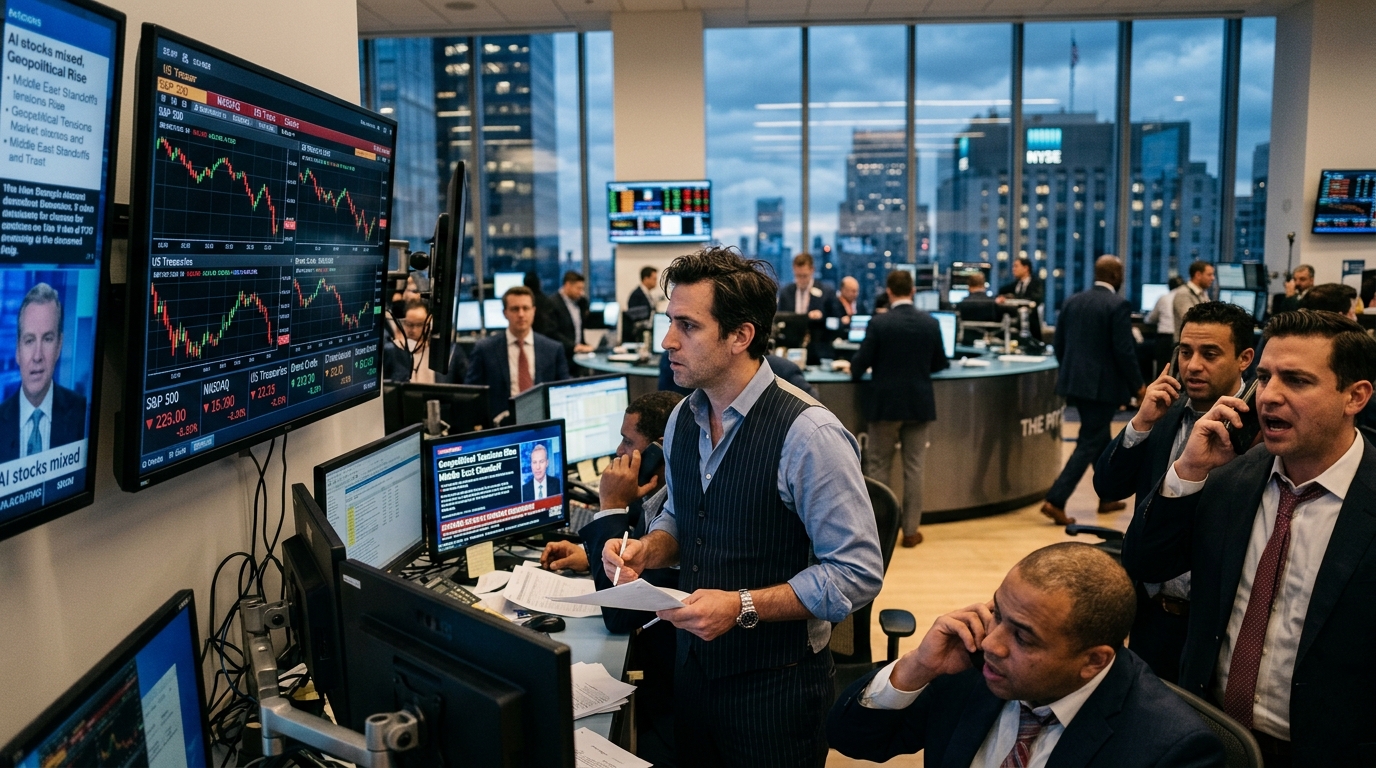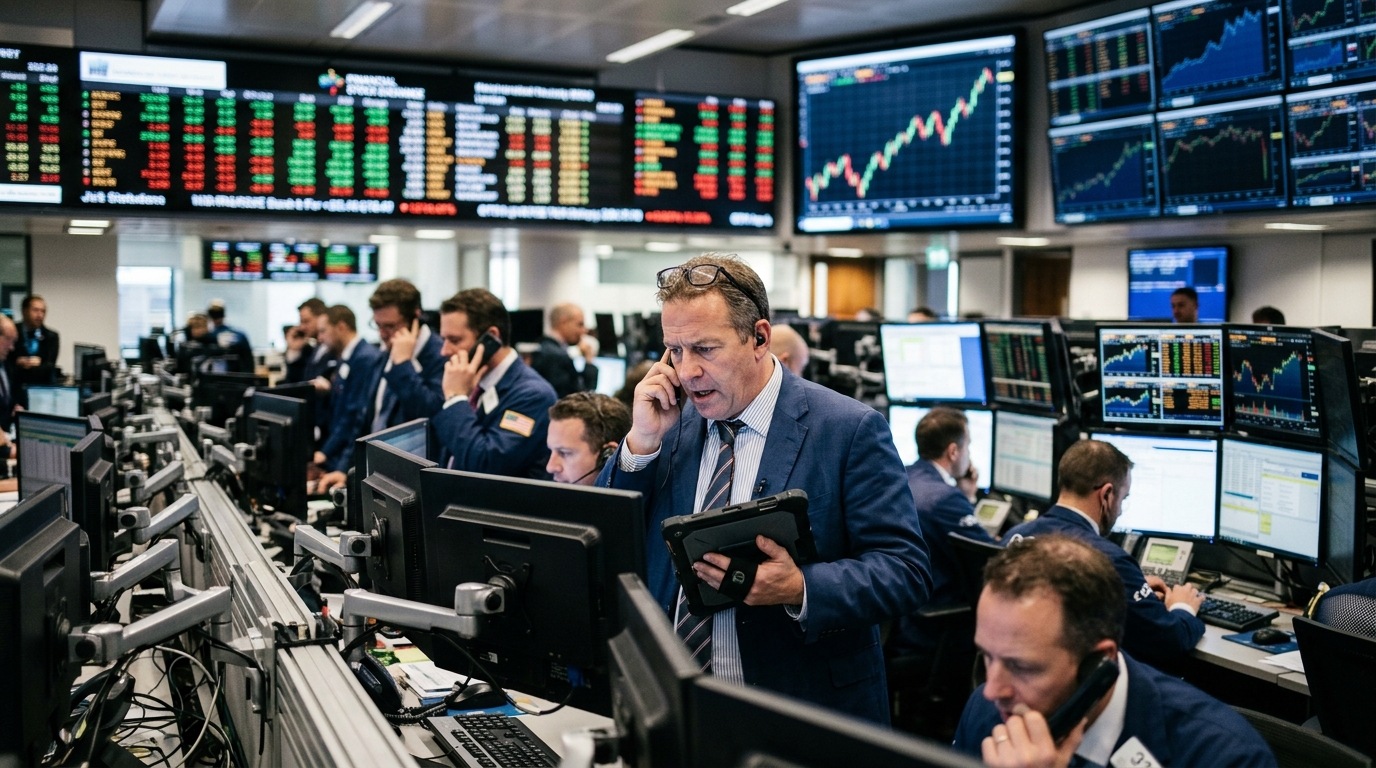
In June 2026, the Artificial Intelligence landscape bears little resemblance to the 'wild west' of the previous two years. The era of blank checks and unlimited runways is drawing to a close. As giants like OpenAI, Anthropic, and Mistral prepare the ground for their long-awaited Initial Public Offerings (IPOs), the conversation in the corridors of Wall Street and the City of London has shifted fundamentally. It is no longer about how 'smart' a model is, but how much every word it generates actually costs.
The Shift from Magic to Mathematics
For years, the AI industry was fueled by the promise of Artificial General Intelligence (AGI). Investors were willing to overlook staggering operational losses, viewing them as a necessary down payment for the conquest of a new digital continent. Today, however, attention has turned to 'tokenomics'—the economic analysis of token production and consumption. A token, the fundamental unit of text processing for Large Language Models (LLMs), has become the new barrel of oil in the digital economy.
According to recent reports from Reuters, institutional investors now demand granular clarity on inference costs. While training costs are a one-time investment of hundreds of millions, inference costs are what dictate the profit margin on every single user query. If a company spends $0.01 to answer a prompt but charges the user less through flat-rate subscriptions, the model is mathematically unsustainable at a scale of billions of users.
The Infrastructure and Energy Hurdle
2026 finds the sector in a paradoxical state: demand for AI services is at an all-time high, yet supply is increasingly throttled by electricity costs and chip availability. Companies heading toward an IPO must prove they possess 'moats' not just in code, but in their access to compute and power.
- The shift toward custom ASICs (Application-Specific Integrated Circuits) to drive down cost-per-token.
- The necessity of proprietary data centers with direct access to renewable energy grids.
- Model optimization techniques like quantization to run models on cheaper hardware without significant performance degradation.
These elements are now the core of the S-1 filings and prospectuses being submitted to regulators. Analysts are no longer just looking at Annual Recurring Revenue (ARR); they are scrutinizing the 'Burn Rate per Token,' a new metric that indicates how efficiently a company utilizes its massive capital reserves.
"The era of free AI is over. The companies that will survive the public markets are those that can turn algorithms into low-cost industrial production," says a senior investment banking executive.
The Bubble Fear and the Exit Strategy
The rush for IPOs is not coincidental. Many early-stage Venture Capitalists are seeking exits, fearing that AI valuations may have peaked. If token costs do not drop drastically through architectural innovations, profitability might remain an elusive dream. This creates pressure for 'price rationalization,' with many services that were previously free or subsidized moving behind strict paywalls.
Furthermore, competition from open-source models, such as Meta’s Llama series, has compressed margins. Why would an enterprise pay premium token prices to OpenAI when they can host their own model at a fraction of the cost? This question is what keeps CEOs awake as they prepare to ring the Nasdaq bell. The narrative of 'exclusive intelligence' is being challenged by 'commoditized compute.'
Conclusion: The Maturation of an Industry
The shift in focus toward costs and tokens is the ultimate sign of industry maturation. Artificial Intelligence is ceasing to be treated as an exotic, experimental technology and is being integrated into the rules of classical economics. For investors, 2026 will be the year of truth: it will prove whether AI is a new industrial revolution with healthy margins or an extraordinarily expensive utility that remains the privilege of the few. The transition from 'cool' to 'cost-effective' is the final hurdle before the public markets decide the fate of the AI pioneers.