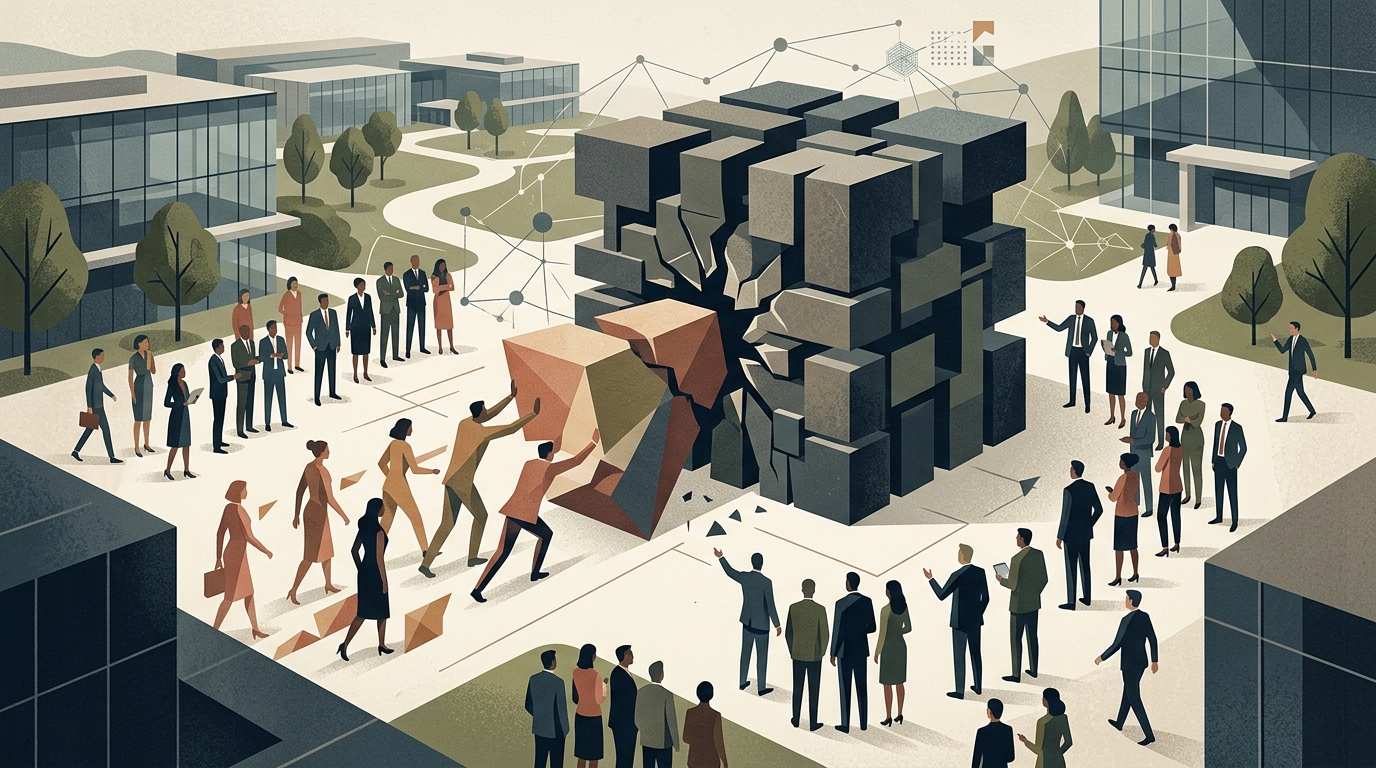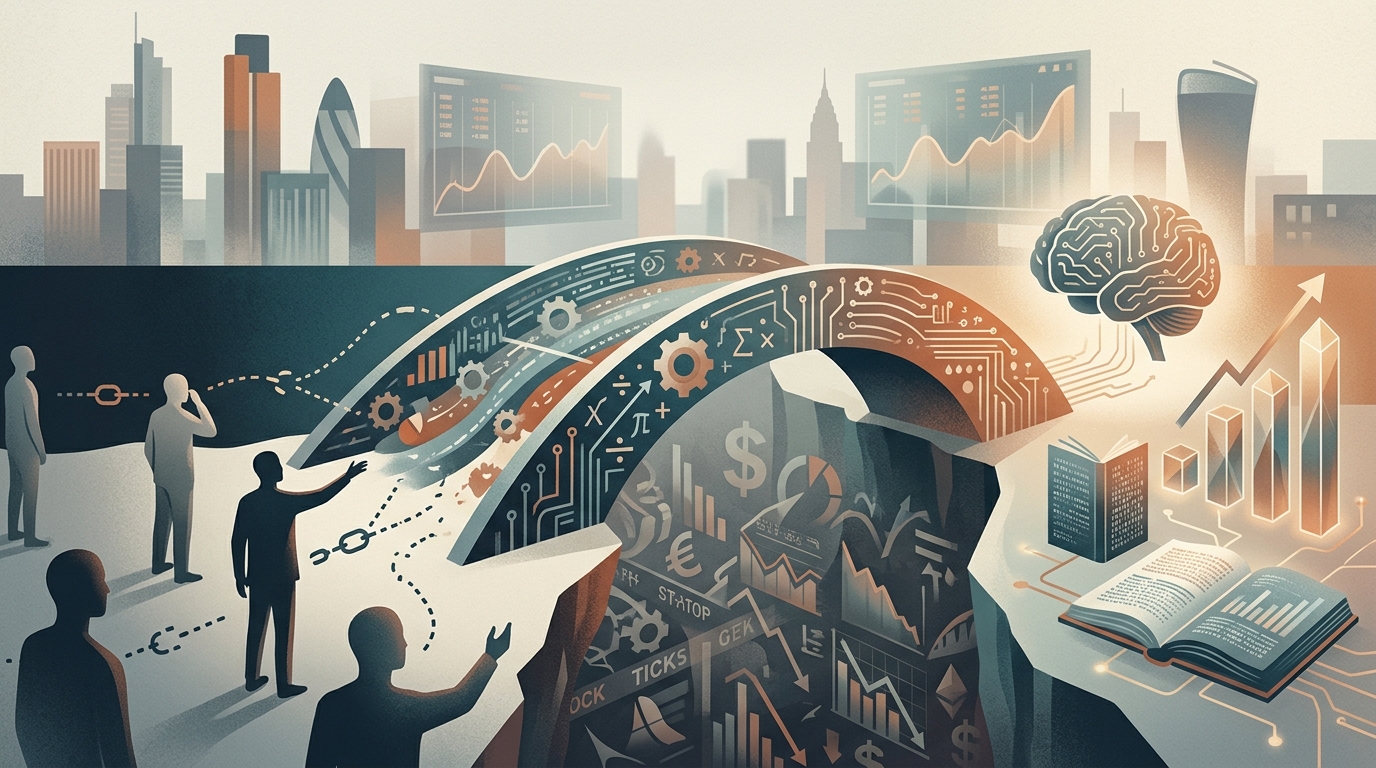
In an era where technological advancement moves at a pace that often outstrips human adaptability, Themis Chasiotis, co-founder of Mentwr and a veteran in Human Resources, sounds a clarion call for both caution and opportunity. Speaking on Fortune Greece's Business Monitor, Chasiotis unraveled the complexities of a new labor market reality: the "skills gap" is no longer just a theoretical HR headache, but an existential challenge for both corporations and individuals alike.
The Labor Market Paradox
The skills gap describes the chasm between the abilities employees possess and those required by employers to remain competitive. In Greece, this phenomenon takes on unique dimensions. Despite high unemployment rates in specific demographics, businesses struggle to find professionals equipped with the necessary technical and soft skills. Chasiotis points out that traditional education often fails to keep pace with the rapid shifts brought about by digitalization and Artificial Intelligence.
Mentwr, the platform he co-founded, aims to bridge this exact void. It is not merely another educational portal; it is an ecosystem that connects knowledge with practice through mentoring. According to Chasiotis, the transfer of experience from person to person remains the most effective way to unlock a professional's potential. In the digital age, knowledge is ubiquitous, but guidance on how to apply it effectively is a rare commodity.
Self-Improvement as a Professional Prerequisite
A central pillar of Chasiotis's philosophy is the concept of self-improvement, which also forms the core of his new book. Contrary to the old notion that education ends with a degree, today "lifelong learning" is the only viable survival strategy. Chasiotis argues that the modern professional must adopt a "growth mindset"—a perspective that views challenges as opportunities for growth rather than insurmountable obstacles.
- Upskilling: Enhancing existing skills to meet new demands within the same job role.
- Reskilling: Learning entirely new skills to transition into different roles, a necessity driven by automation.
- Emotional Intelligence: The growing importance of empathy and communication in a world dominated by algorithms.
He emphasizes that self-improvement is not just about career advancement; it's about personal equilibrium. An employee who feels they are evolving is more productive, more loyal to their organization, and less prone to burnout. His book serves as a practical guide for this transition, offering tools that can be immediately applied to daily professional life.
The AI Challenge: Threat or Catalyst?
The discussion inevitably turned to the impact of Artificial Intelligence (AI). Chasiotis views AI not as a threat, but as a "partner" that liberates humans from repetitive tasks, allowing them to focus on creative and strategic endeavors. However, this transition requires professionals to know how to leverage these tools. The skills gap widens significantly for those who resist familiarizing themselves with new technologies.
"The future belongs to those who can learn, unlearn, and relearn," he noted, echoing the famous words of Alvin Toffler.
In this context, businesses bear the responsibility of investing in their human capital. The companies that will survive the 21st century are those that transform themselves into "learning organizations." Through Mentwr, Chasiotis proposes a model where training is personalized and aligned with the goals of both the individual and the enterprise.
The Greek Context and the Path Forward
For Greece, the challenge is twofold. On one hand, the country must combat "brain drain" by offering incentives for skilled professionals to stay or return. On the other, the domestic workforce must be modernized. Chasiotis remains optimistic, believing that Greek talent possesses the inherent adaptability required by the times, provided they are given the right tools and the correct mindset.
In conclusion, the interview on Business Monitor highlights that success in the modern workplace is no longer a matter of static knowledge. Instead, it is a matter of learning velocity and psychological resilience. Themis Chasiotis, through his work at Mentwr and his new book, provides the roadmap for this demanding yet promising journey into the future of work.