In a move that could redefine the global economic landscape of the digital era, South Korea has officially floated the proposal for a ‘Citizen Dividend’ funded directly by the profits of Artificial Intelligence (AI) corporations. The proposal, articulated by top policymakers in Seoul, comes at a time when semiconductor giants like Samsung Electronics and SK Hynix are posting record profits driven by global demand for AI chips, while public anxiety grows over mass job displacement due to automation.
The Philosophy of Redistribution in the Algorithmic Age
The core idea behind the Citizen Dividend is not merely a variation of Universal Basic Income (UBI), but an attempt to link national prosperity to technological supremacy. Proponents of the proposal argue that AI is trained on data generated by society as a whole and relies on infrastructure funded by taxpayers. Therefore, the 'windfall profits' generated by this technology do not belong exclusively to corporate shareholders but must be partially returned to the citizenry.
South Korea serves as the ideal laboratory for this experiment. With one of the highest rates of robot density in the world and an economy heavily dependent on technology exports, the country is already facing the challenges of automation. The proposal envisions the creation of a special fund, similar to the Alaska Permanent Fund, which would be replenished by an 'AI Tax' on profits derived from AI services and products.
Market Reactions and the Chaebol Challenge
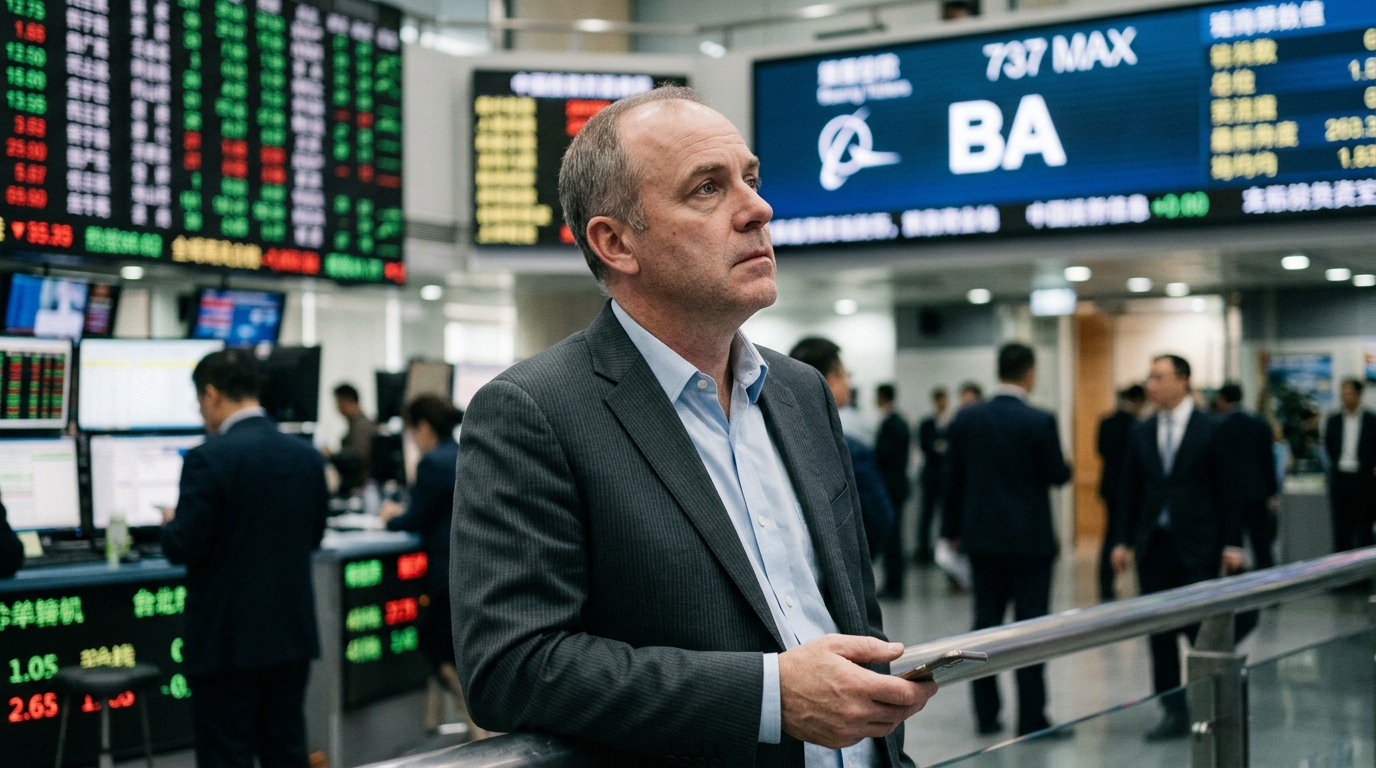
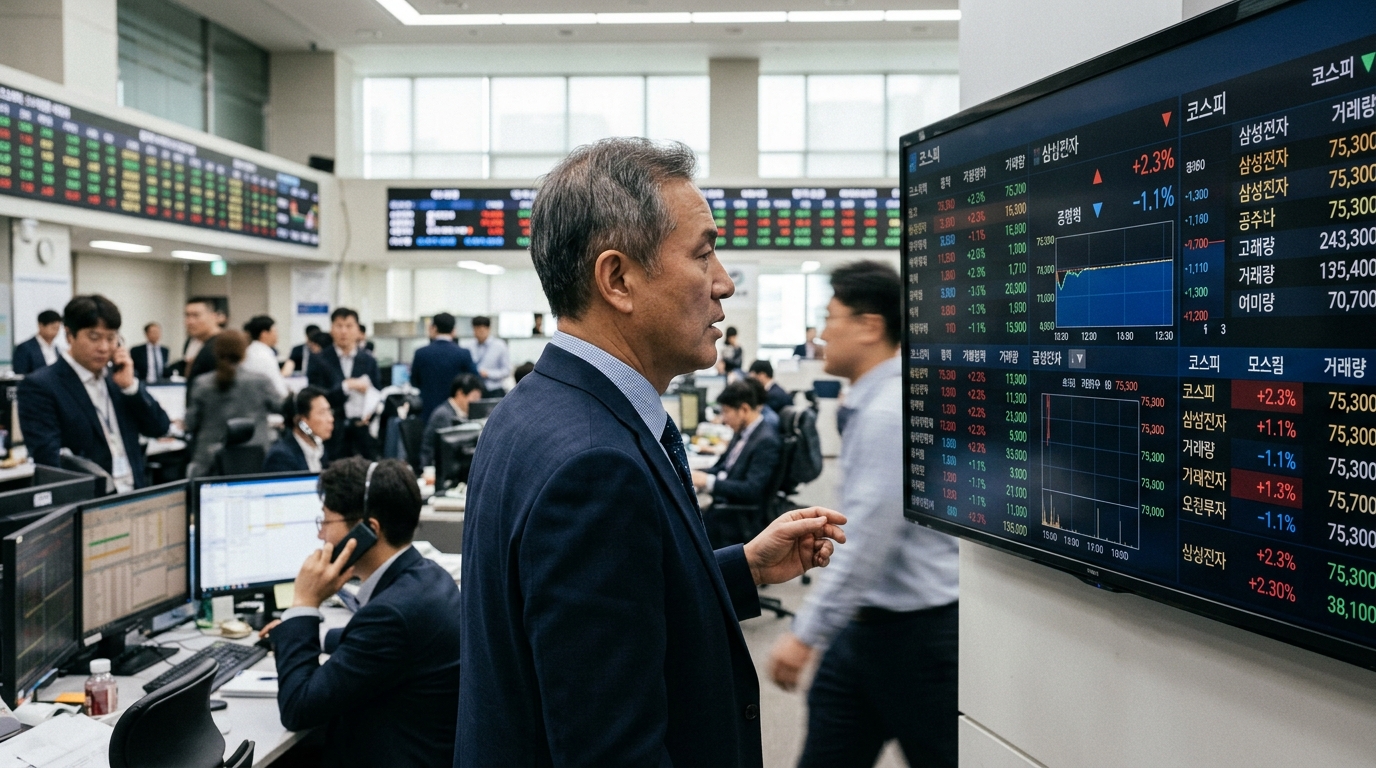
The announcement of the proposal caused an immediate dip in the shares of Samsung and SK Hynix, as investors fear the erosion of profitability and a reduction in capital earmarked for Research and Development (R&D). The ‘Chaebols’—the family-run conglomerates that dominate the Korean economy—warn that such a tax could undermine the country’s competitiveness against the US and China.
- Tech stocks fell following the government’s announcement of intent.
- Concerns regarding capital flight to jurisdictions with lower taxation.
- Questions about defining 'AI profits'—how to distinguish hardware-driven gains from software-driven ones?
However, the government maintains that social stability is a prerequisite for business growth. In a nation with the world’s lowest birth rate and a rapidly aging population, the Citizen Dividend could act as a safety net, boosting consumption and narrowing the inequalities widened by technological progress.
A Global Trend or a Local Experiment?
South Korea’s move is being closely watched by the European Union and the United States. While the EU has primarily focused on regulating the ethics and safety of AI through the AI Act, the economic dimension of redistribution has remained on the sidelines until recently. Seoul appears to be leading the way, shifting the conversation from 'how to control AI' to 'how to be compensated by AI.'
“This is not about punishing success, but about ensuring that the digital revolution does not leave an entire generation behind,” stated a senior official from the Korean Ministry of Economy and Finance.
In conclusion, the proposal for a Citizen Dividend marks the beginning of a new era in state-business relations. If South Korea manages to implement this model without stifling innovation, it will provide a roadmap for all developed economies grappling with the specter of 'technological unemployment.' The challenge remains the delicate balance between fiscal justice and maintaining the incentive for the next great breakthrough.