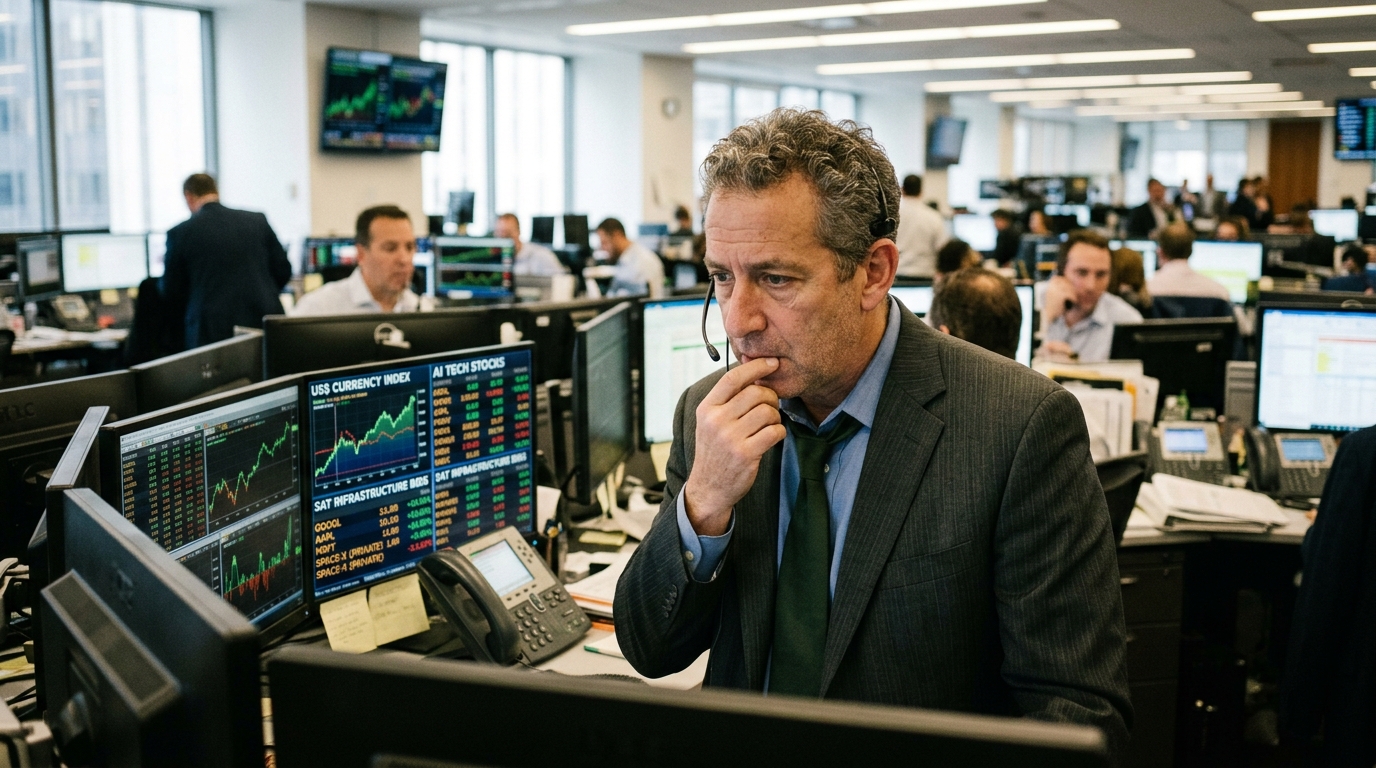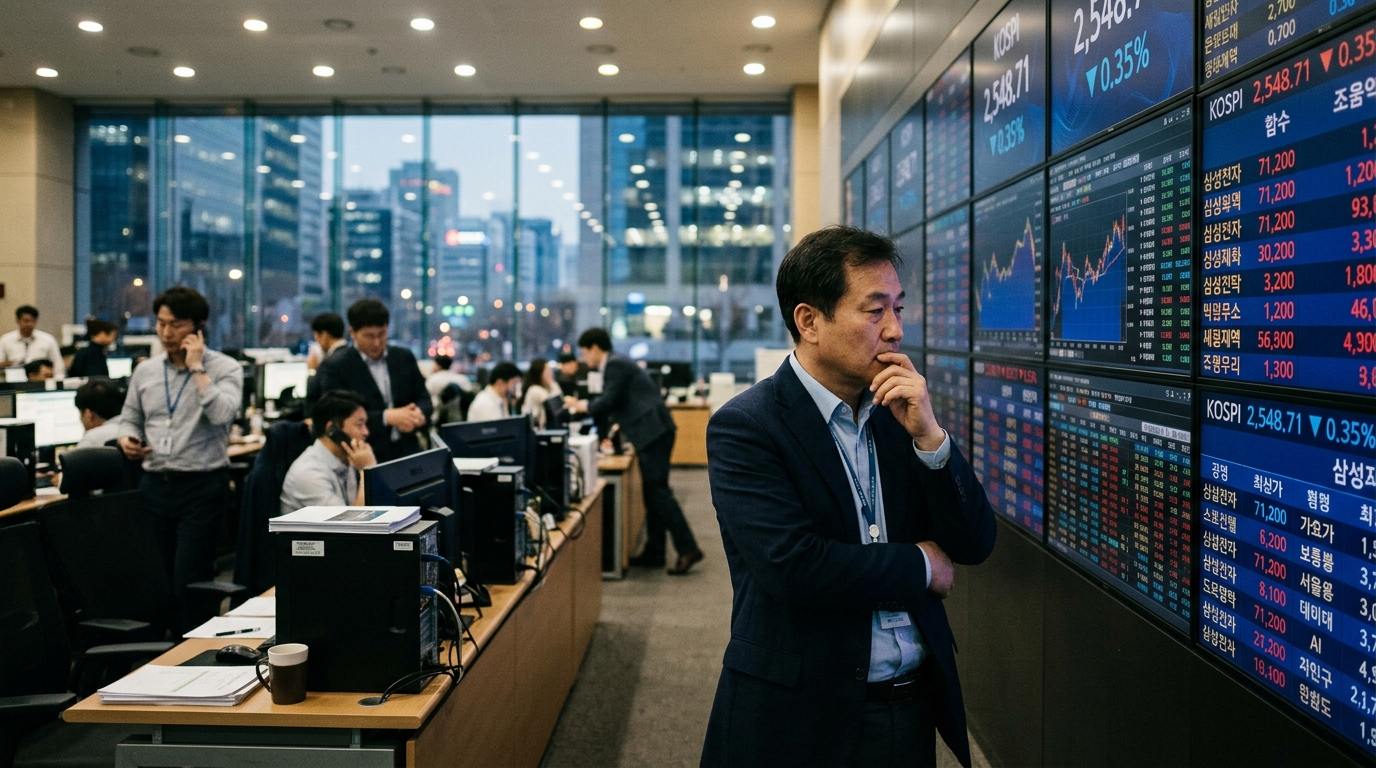
South Korea, a nation that transformed from a war-torn agrarian economy into a global technological titan within a few decades, is now facing a new, existential challenge. The advent of Artificial Intelligence (AI) is not merely a technological upgrade for Seoul; it is the catalyst for a profound conflict between capital and labor that could serve as the blueprint for the rest of the developed world.
With the world's highest robot density and an economy dominated by powerful family-run conglomerates (Chaebols) such as Samsung and SK Hynix, South Korea is the perfect "laboratory" to study how automation impacts social cohesion. The current tension is not just about job displacement, but also about the control of the algorithms that now manage the daily lives of workers.
The Dominance of Chaebols and Digital Discipline
For decades, South Korea's economic model was built on absolute discipline and grueling work hours. However, the integration of Generative AI into the production lines and offices of major groups is changing the rules of the game. Corporate management sees AI as the answer to the country's demographic crisis — South Korea currently records the lowest birth rate in the world. For capital, AI is not a choice, but a matter of survival.
According to recent analyses, the adoption of AI in the semiconductor and electronics sectors has increased productivity by 25%, but has simultaneously reduced the need for middle management. The conflict erupts where technology meets job security. Unions claim that "algorithmic management" is being used to intensify work without a corresponding increase in pay, turning humans into appendages of a machine that never tires.
Labor Resistance: From Streets to Code
South Korean labor unions, historically known for their militancy, are shifting their strategy. The Korean Confederation of Trade Unions (KCTU) is no longer just asking for wage hikes, but for "digital sovereignty" for workers. The central question is: who owns the data produced by workers, and how is it used to train the AI models that will eventually replace them?
"We are not fighting against progress, but against enslavement by the algorithm. If AI generates wealth, this wealth must be redistributed through the reduction of working hours, not through layoffs," says a representative of tech sector workers.
Pressure for a four-day work week is gaining ground, with workers arguing that AI's increased efficiency must translate into free time. On the other hand, the administration of President Yoon Suk Yeol, which maintains a pro-business stance, is trying to balance the need for innovation with the risk of social upheaval.
The Geopolitical Dimension and the Future
The conflict in South Korea also has a strong geopolitical undertone. In the competition between the US and China for AI supremacy, Seoul cannot afford to fall behind. This means the state often subsidizes the rapid adoption of technologies, overlooking social consequences. The creation of a "robot tax" or an "AI tax" is being debated in political circles, but resistance from Chaebols remains firm, arguing that such a move would hurt the country's international competitiveness.
- Automation threatens 30% of full-time jobs in South Korea by 2030.
- Unions demand participation in the design of performance-evaluating algorithms.
- Demographic collapse makes AI necessary to maintain GDP levels.
- South Korea is investing billions in domestic Large Language Models (LLMs) to avoid dependence on US Big Tech.
In conclusion, South Korea is the harbinger of a global transition. If Seoul manages to find a middle ground where technological excellence coexists with labor dignity, it will have provided a valuable lesson for humanity. If it fails, the capital-labor conflict in the AI era could lead to a new age of social Luddism, with unpredictable consequences for the global economy.