As we move through May 2026, the Russian economy, which for over two years displayed an unexpected resilience against Western sanctions, appears to be hitting the cold reality of fiscal constraints. Latest data from the Russian Ministry of Finance reveal a troubling picture: the federal budget deficit for the first four months of the year has already surpassed the annual target set by the Kremlin, highlighting that sustaining a full-scale war machine is becoming an exercise in economic attrition.
The Budgetary Hemorrhage
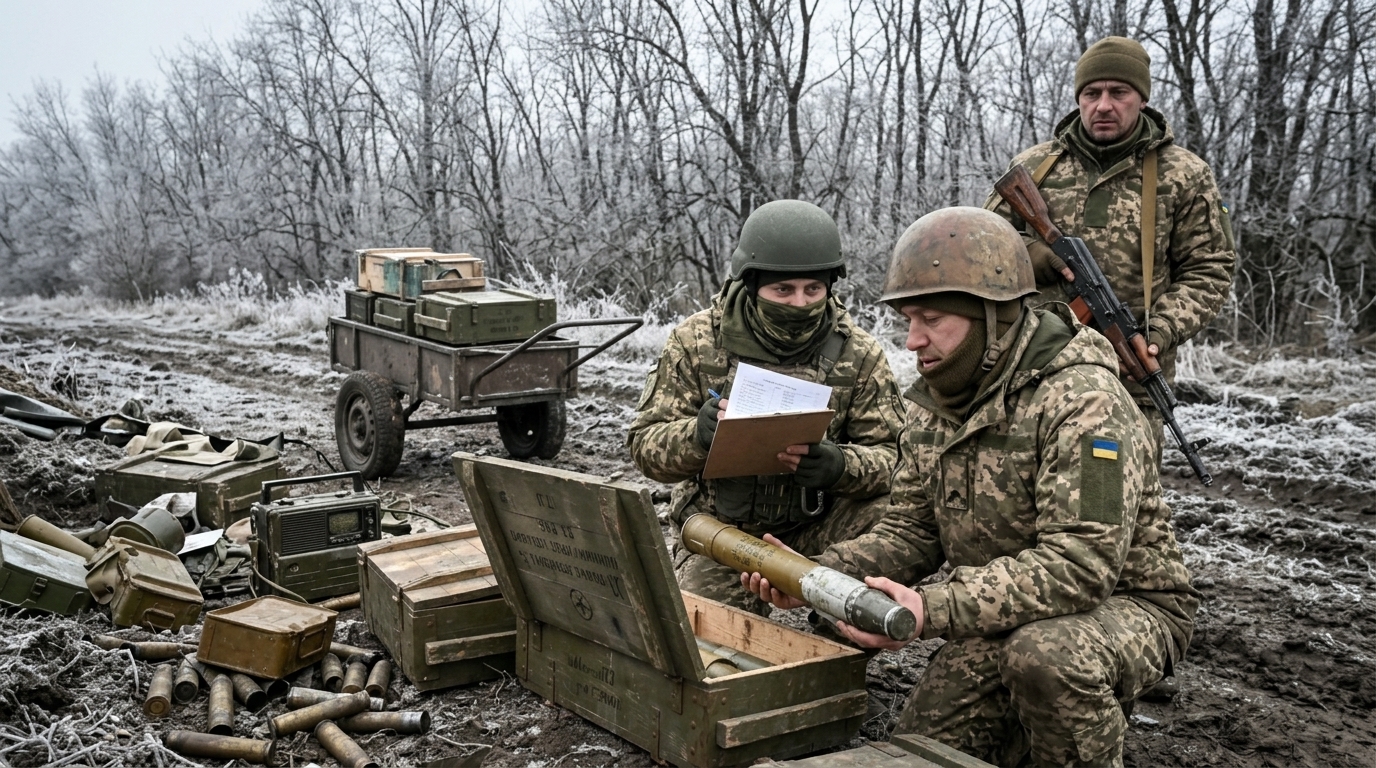
The "Fortress Russia" strategy, meticulously built by Elvira Nabiullina and Putin’s economic team, is now suffering its heaviest blows from within. Military spending is no longer just a line item; it is the dominant force, consuming 40% of total government expenditure. Analysts suggest that the deviation from projections stems from the constant need to replace high-tech equipment and the escalating social payments to contract soldiers and the families of the fallen.
Moscow had initially projected a modest deficit of 1.1% of GDP for 2026. However, May’s data indicates the figure has already reached 2.5%, with the trend remaining firmly upward. This multi-billion-dollar "hole" is no longer easily plugged by oil and gas revenues, which, while still substantial, are being squeezed by more rigorous enforcement of the G7 price cap and reduced demand from strategic partners who are now demanding steeper discounts.
The Hydrocarbon Factor and Sanctions Friction
2026 is proving to be a testing year for Russia's energy receipts. Despite the successful pivot of exports toward China and India, logistics costs and the maintenance of "shadow fleets" have significantly eroded margins. Furthermore, the urgent need to fund the front line is forcing the state to impose windfall taxes on major domestic corporations, effectively stifling private initiative and investment in non-military sectors.
- Hydrocarbon revenues have dropped by 12% compared to the same period in 2025.
- Borrowing costs have surged as the Central Bank keeps interest rates in double digits to combat persistent inflation.
- The liquid portion of the National Wealth Fund (NWF) is being depleted at an accelerated rate to cover the widening fiscal gap.
Social and Structural Consequences
Beyond the spreadsheets, Russian society is beginning to feel the weight of the war-centric pivot. Inflation in essential goods is rampant, and labor shortages have reached record levels. With hundreds of thousands of men at the front and many more having fled the country to avoid mobilization, Russian industries are struggling to find skilled labor. This has created a vicious cycle of wage hikes that fuel inflation without any corresponding increase in productivity.
"Russia is trading its future for a present filled with cannons. The disinvestment from education, healthcare, and infrastructure will create a void that will take decades to fill," notes an independent economic analyst.
In conclusion, Moscow finds itself at a critical juncture. The decision to persist with the war at any cost is undermining the foundations of macroeconomic stability that were painstakingly built over the previous decade. If the budget deficit continues to expand at this pace, the Kremlin’s options will narrow dramatically: either a painful devaluation of the ruble or a further militarization of the economy reminiscent of the darkest days of the Soviet Union.