In an era of structural transformation for the European energy market, the €237 million agreement between Public Power Corporation (PPC) and the Motor Oil Group is far more than a mere business transaction; it is a strategic manifesto for the future of the green transition in Southeastern Europe. This move, involving the comprehensive realignment of renewable energy source (RES) portfolios, signals the maturation of the Greek market, where major players no longer seek growth solely through volume, but through the qualitative optimization of their assets.
Anatomy of a Multi-Layered Deal
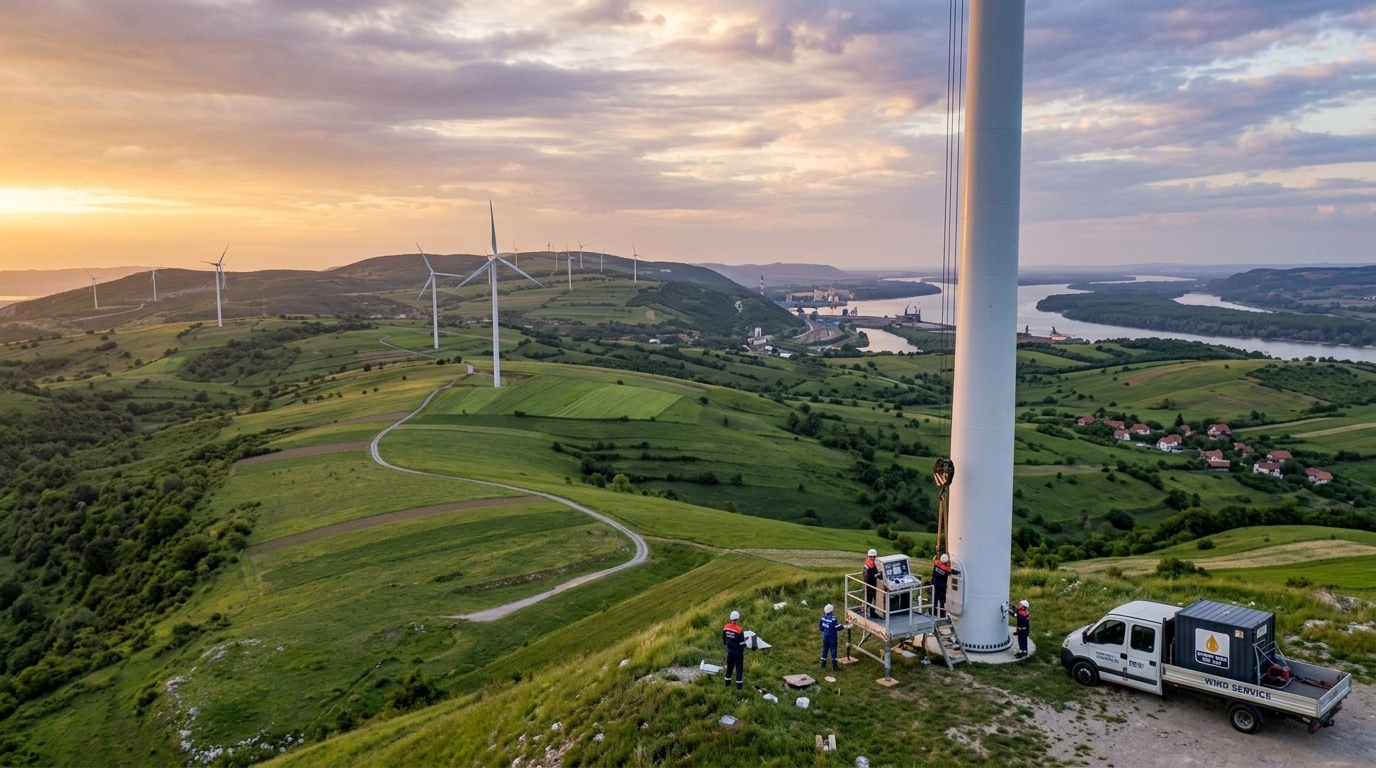
The agreement is structured across three distinct pillars that serve the different yet complementary strategies of the two giants. Firstly, PPC is acquiring 100% of a portfolio of operational wind farms with a total capacity of 80 MW, previously owned by MORE (Motor Oil's renewable energy arm). Secondly, PPC gains full control (100%) of a significant pipeline of projects under development, totaling approximately 1.9 GW, which were previously held in a joint venture between the two companies.
The third part of the deal involves MORE acquiring a specific portfolio of projects from PPC, a move that allows the Motor Oil Group to focus on technologies and geographical areas that offer greater synergy with its existing operational model. The total valuation of the transaction, reaching €237 million, reflects the high value of licensed projects in a market where grid capacity is becoming an increasingly scarce commodity.
PPC's Strategy: The Transformation of a Titan
For PPC, this agreement represents another major step toward realizing the ambitious strategic plan presented by CEO Georgios Stassis. The company is rapidly evolving from a cumbersome, lignite-dependent utility into an agile, green regional leader. The acquisition of 80 MW of operational assets provides immediate cash flow (EBITDA), while full ownership of the 1.9 GW pipeline allows it to accelerate investments without the complexities often inherent in joint ventures.
PPC aims to create a balanced generation mix where wind energy complements its massive solar parks in Western Macedonia and Megalopolis. With this move, the utility hedges its position against carbon price volatility and strengthens its energy independence by reducing exposure to natural gas. By 2026, PPC is positioning itself not just as a domestic provider, but as a dominant energy force across the Balkans.
Motor Oil: The Art of Capital Recycling
From Motor Oil's perspective, the sale of these assets should not be interpreted as a retreat from the RES sector, but rather as a sophisticated "capital recycling" move. MORE, under the leadership of Victor Papakonstantinou, has grown into one of Greece's largest clean energy producers. Liquidating part of its portfolio allows the group to release capital for new, higher-yield investments, potentially in sectors such as energy storage (batteries) or green hydrogen.
Motor Oil is demonstrating the corporate agility required to enter projects at an early stage, add value through licensing and construction, and then divest when market conditions are optimal. This dynamic portfolio management is essential for maintaining profitability in an environment of intense competition and fluctuating interest rates. It allows MORE to remain lean while staying at the forefront of technological innovation.
Market Implications and the Consumer
The collaboration and subsequent realignment between these two domestic "champions" have broader implications. Primarily, it confirms that the Greek energy market is entering a phase of consolidation. Economies of scale are becoming the decisive factor for survival and growth. Furthermore, the acceleration of RES projects resulting from this deal is expected to contribute to a long-term reduction in wholesale electricity prices, as the marginal cost of renewable production is nearly zero.
However, challenges remain. Integrating 1.9 GW of new capacity requires significant investment in transmission and distribution grids, which remains the "bottleneck" of the green transition in Greece. PPC and Motor Oil, through this agreement, are sending a signal of confidence to the Greek economy, highlighting that the energy sector remains the engine of growth for the coming years. For the consumer, this consolidation could mean more stable prices, provided that the regulatory framework ensures that the benefits of the green transition are passed down to the retail level.
Conclusion
The €237 million deal is a win-win scenario. PPC gains volume and speed, while Motor Oil gains flexibility and capital adequacy. In a Europe desperately seeking energy security and lower costs, Greek conglomerates are leading the way with cooperation and strategic foresight. As of June 2026, Greece stands with a more mature energy system, ready to face the challenges of the climate crisis through market-driven solutions and robust corporate partnerships.