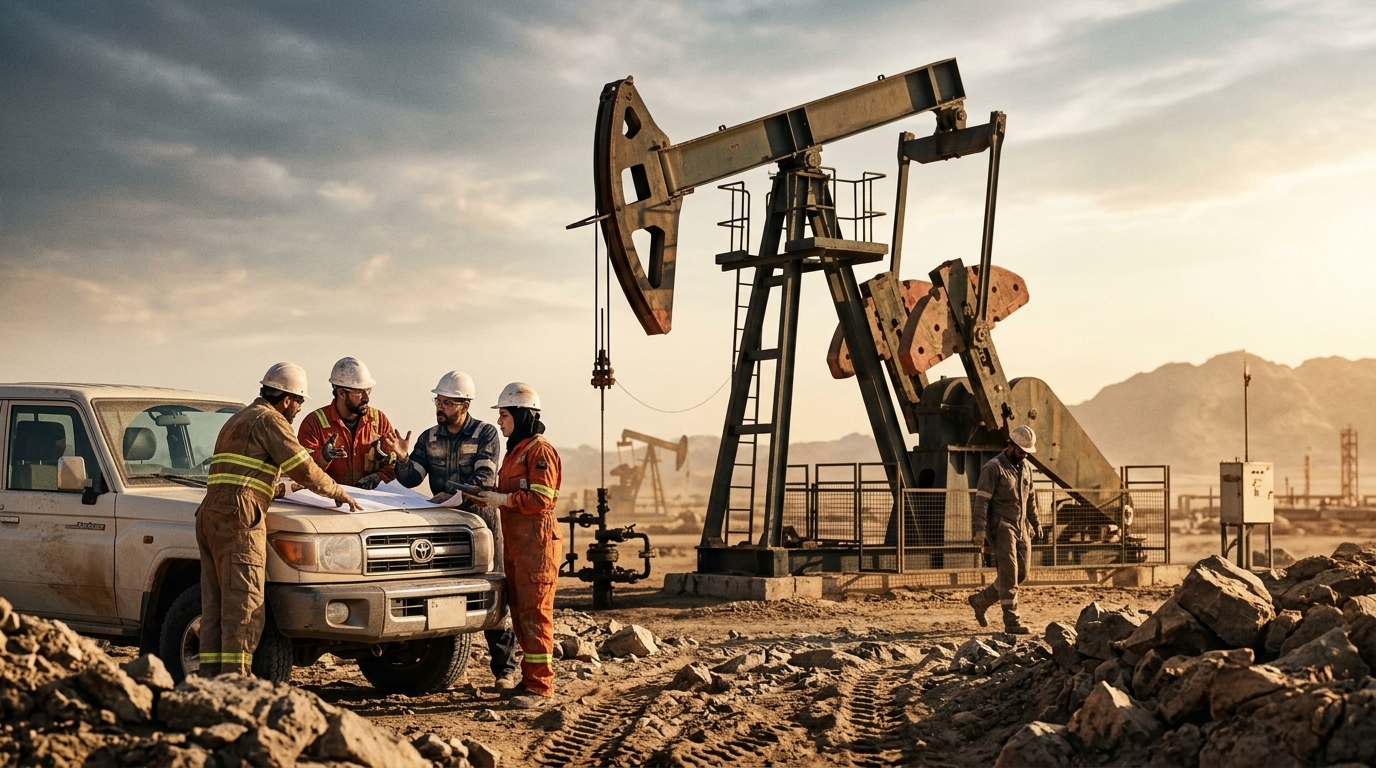
The global energy market is once again in a state of high anticipation as OPEC+ prepares to make pivotal decisions regarding the future of oil production. Amidst a landscape defined by volatility and geopolitical uncertainty, the cartel's cohesion is being tested by internal frictions that threaten to upend decades of established balance. Recent shifts, particularly the positioning of the United Arab Emirates (UAE) against Saudi Arabia’s traditional dominance, highlight the depth of the challenges facing the alliance in 2026.
The Growing Rift Among Allies
The atmosphere within OPEC+ is no longer as harmonious as it once was. The UAE's gradual distancing from Saudi Arabia's hardline stance is the most visible sign of a deeper structural divide. Abu Dhabi, having invested billions in expanding its production capacity, is now eager to monetize these investments before global fossil fuel demand begins its terminal decline. This strategy directly clashes with Riyadh’s policy of strict production cuts aimed at maintaining high price floors.
The dispute is not merely about quotas; it is about diverging visions for the future. While Saudi Arabia seeks to balance its budget to fund the ambitious 'Vision 2030' project, other members feel they are sacrificing market share to American shale producers. The pressure is palpable: if OPEC+ fails to present a unified front, the specter of a price war, reminiscent of 2020, looms large, carrying potentially catastrophic consequences for the economies of its member states.
Geopolitics and Energy Security
Beyond internal strife, the external environment is more explosive than ever. Conflicts in the Middle East and ongoing instability in Eastern Europe have created a web of risks that OPEC+ cannot ignore. The security of maritime shipping lanes and the protection of critical infrastructure have become top priorities, directly impacting the insurance and transportation costs of 'black gold'.
Simultaneously, China remains the great unknown. A slowing Chinese economy and its rapid transition toward electric mobility are dampening expectations for demand growth. OPEC+ finds itself in the difficult position of managing supply in a world that is gradually learning to function with less oil, while also needing to satisfy the immediate fiscal requirements of member states that are almost entirely dependent on hydrocarbon exports.
The Challenge of the Green Transition
Perhaps the greatest threat to the cartel's long-term survival is not competition, but the climate crisis itself. International pressure for decarbonization is forcing even the most traditional players to rethink their strategies. The discussion surrounding 'peak oil' is no longer theoretical; it is a reality shaping the investment decisions of major oil corporations and sovereign wealth funds alike.
"OPEC+ is no longer just fighting for the price per barrel, but for its relevance in a global economy that is fundamentally changing its face," notes a senior energy analyst.
In this context, the decision to maintain or increase production takes on an existential character. If OPEC+ keeps prices too high, it accelerates the global shift toward renewable energy. If it allows them to collapse, it risks social unrest within its own borders. Finding a middle ground appears increasingly difficult as the interests of member states diverge dangerously.
Conclusions and Outlook
The future of OPEC+ will depend on the ability of its leaders to demonstrate flexibility and high-level diplomacy. Maintaining the alliance with Russia remains a central pillar of their strategy despite international sanctions, as Moscow provides the necessary weight to control global supply. However, internal cohesion remains the organization's Achilles' heel.
Markets will closely monitor every announcement, searching for signs of reconciliation or further fragmentation. In a world hungry for stability, OPEC+ must prove that it remains the regulator of global energy and not an obsolete institution of the past. The battle for oil is now a battle for survival in the emerging new global order.