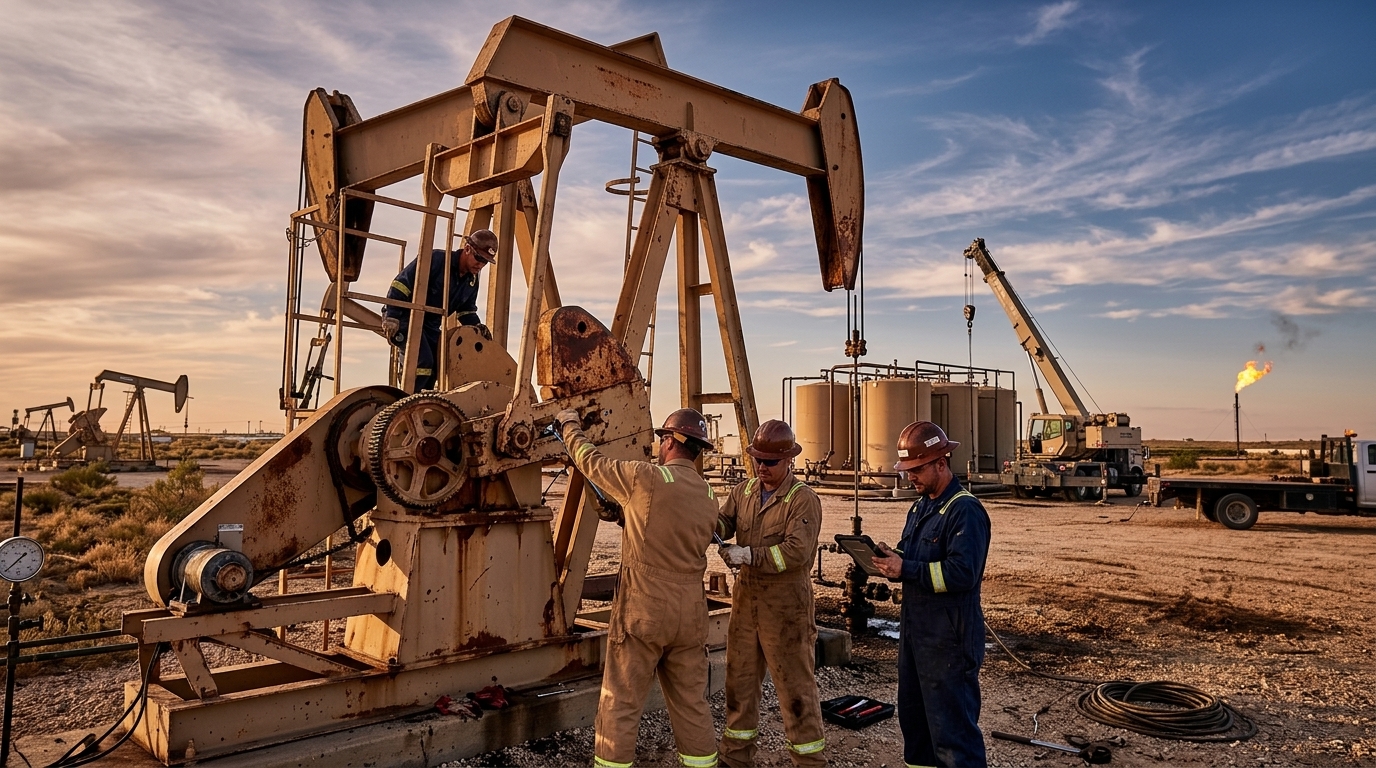
The global economy is once again staring down the specter of an energy crisis. The recent escalation of tensions between the United States and Iran has sent shockwaves through international commodity markets, with Brent crude making a dramatic leap, surpassing levels not seen in months. Geopolitical uncertainty in the Middle East—a region that remains the lifeblood of global energy supply—is bringing fears of prolonged inflation and economic stagnation back to the forefront.
The Geopolitical Chessboard and the Security of the Straits
The current crisis is far more than a mere diplomatic spat; it represents a direct threat to the world's most vital maritime energy arteries. The focal point of concern is the Strait of Hormuz, through which approximately one-fifth of global oil consumption passes daily. Threats to impede navigation or sabotage tankers have forced investors to bake a significant 'risk premium' into futures contracts.
Washington, for its part, has bolstered its military presence in the region, declaring its readiness to protect the 'free flow of commerce.' However, Tehran, squeezed by sanctions and internal political pressures, appears willing to leverage its energy weapon as a tool of defiance. This power play creates an explosive cocktail for markets, as any accidental incident or misinterpretation of tactical moves could trigger an uncontrolled conflict with catastrophic consequences for global supply.
- Increased volatility in Brent and WTI price benchmarks.
- Heightened security protocols for Gulf oil infrastructure.
- Intense diplomatic efforts in EU capitals to prevent further escalation.
Economic Implications and the Role of Central Banks
The surge in oil prices is not just a number on a trader's screen; it is a direct tax on global consumption. For Europe, still struggling to fully recover from the energy crisis ignited by the war in Ukraine, this new price spike is a severe blow. Transport costs, manufacturing, and heating expenses are expected to rise significantly, putting further pressure on household disposable incomes.
The critical question concerns the stance of central banks like the ECB and the Fed. While there were hopes for a gradual reduction in interest rates throughout 2026, the resurgence of energy-driven inflation complicates the narrative. If oil prices remain elevated, central bankers may be forced to keep rates 'higher for longer' to curb secondary effects on the prices of goods and services. This, in turn, increases the risk of a global recession.
"Energy remains the Achilles' heel of global economic stability. As long as geopolitics trumps economic logic, uncertainty will be the only rule."
OPEC+ Strategy and the Road Ahead
In this high-stakes environment, the role of OPEC+, and specifically Saudi Arabia, is pivotal. Thus far, the cartel has maintained a wait-and-see approach, avoiding flooding the market with additional crude to dampen prices. This strategy serves the fiscal interests of member states but creates friction with Western consumer nations. China, the world's largest oil importer, is also watching with bated breath, as its own economic recovery is directly tied to energy costs.
In the long term, this crisis underscores the urgent need for a faster decoupling from fossil fuels. However, the irony remains that while high oil prices make renewables more competitive, they simultaneously drain the capital that could be invested in the green transition. The balance is precarious, and the coming weeks will determine whether we see a smooth de-escalation or a new global energy storm.
In conclusion, the US-Iran crisis is not an isolated event but a reminder of the fragile nature of the global system. The oil market is 'on fire' not just because of supply shortages, but primarily due to the fear of the unknown. Investors, governments, and consumers must adapt to a world where geopolitical power is increasingly measured by the barrel.