The global economy, which had only just begun to recover from the successive crises of the pandemic and the Russian invasion of Ukraine, is now facing a new and equally daunting challenge. The latest report from the Organisation for Economic Co-operation and Development (OECD) sounds an alarm, highlighting that the escalation of tensions in the Middle East is not only a humanitarian catastrophe but also a catalyst for a new economic 'shock' that could derail global growth and reignite inflation.
According to the Organisation's analysts, the prolonged conflict in the Middle East is creating an explosive mix of uncertainty. The region, which serves as the 'lungs' of global energy production and a critical hub for international trade, is at the center of a crisis that directly affects commodity prices and transport security. The OECD warns that if the conflict broadens further, the impact will be felt in every corner of the globe, from households in Europe to industries in Asia.
The Energy Front and the Nightmare of Inflation
The greatest immediate threat comes from the oil and gas market. The Middle East accounts for approximately one-third of global oil production. Any disruption to production or transit through the Strait of Hormuz could send prices skyrocketing to levels that would make the inflation targets of central banks unattainable. The OECD warns that a $10 increase per barrel in the price of oil could add up to 0.2 percentage points to global inflation in the first year, while simultaneously reducing GDP.
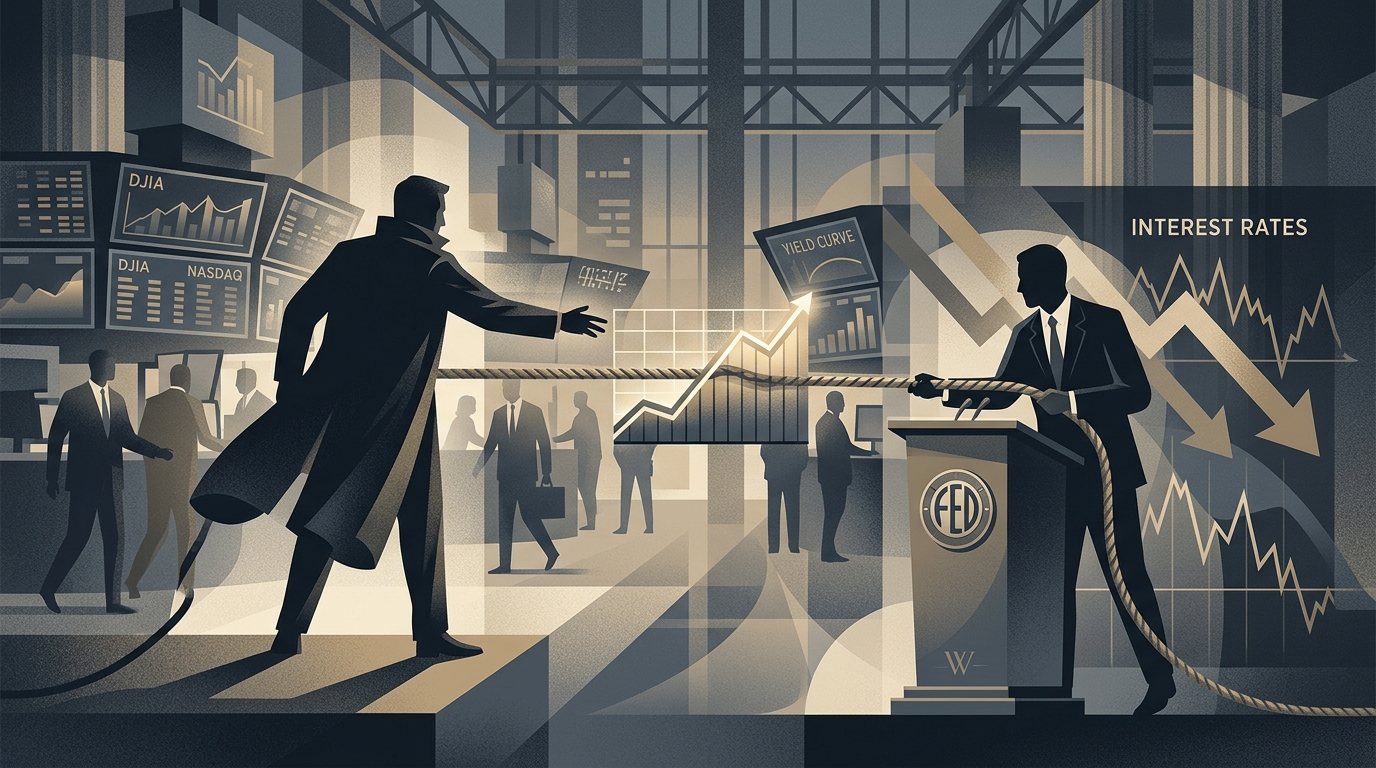
This development comes at a time when central banks, such as the ECB and the Fed, are trying to find the sweet spot for cutting interest rates. A resurgence of inflationary pressures through energy costs could force policymakers to keep interest rates 'higher for longer,' strangling consumption and investment. Europe, due to its heavy reliance on energy imports, remains the most vulnerable region in this scenario.
Supply Chains: The Cost of Geopolitical Instability
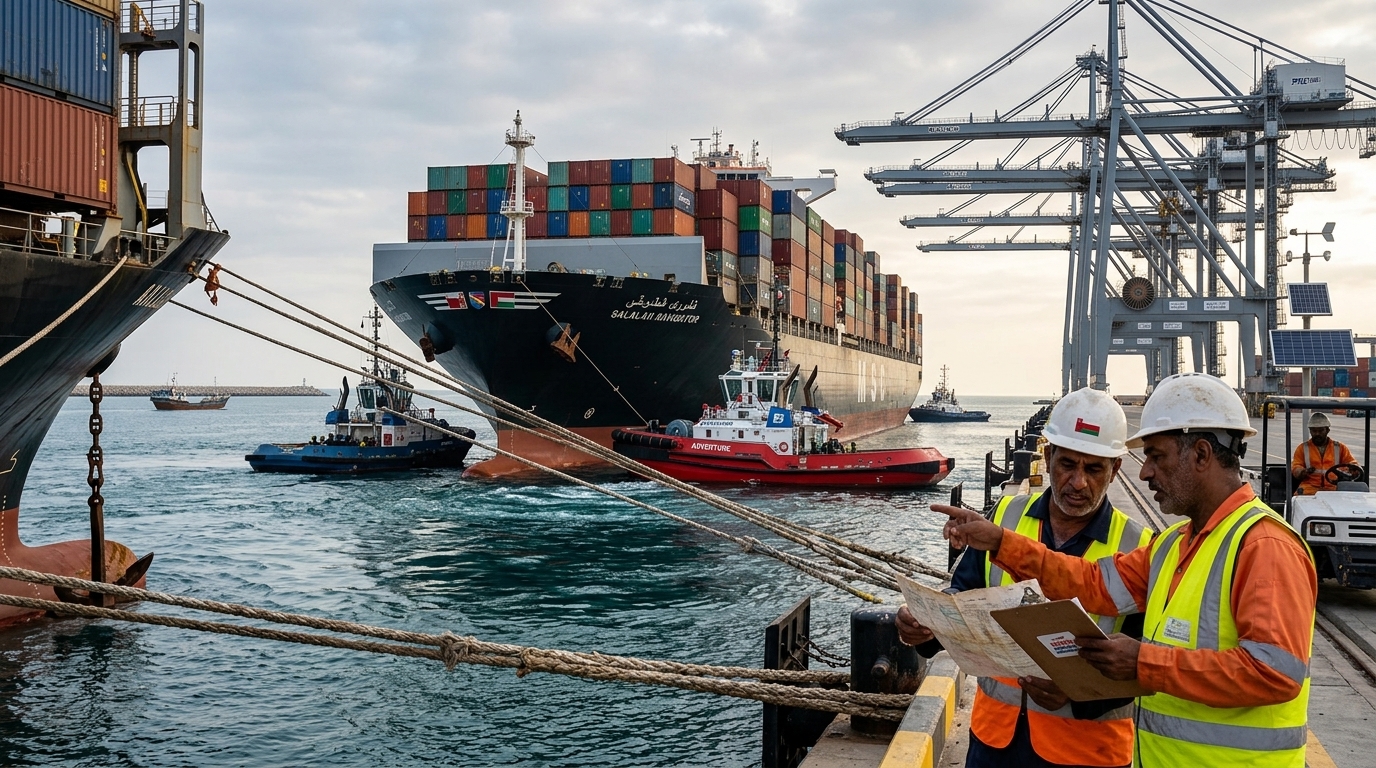
Beyond energy, the crisis in the Red Sea has already begun to reshape the map of global trade. Attacks on commercial vessels have forced shipping companies to choose longer and more expensive routes, such as circumnavigating Africa. This translates into increased shipping costs, delivery delays, and ultimately, higher prices on store shelves. The OECD notes that freight costs have doubled on some routes, reminiscent of the pandemic days.
This situation particularly affects manufacturing, as many European industries rely on components from Asia. Supply chain disruptions are no longer a temporary phenomenon but a persistent threat requiring businesses to increase their inventories, further raising operational costs. Globalization, as we knew it, is taking another hit, with trends toward 'near-shoring' and 'friend-shoring' gaining momentum.
The Dilemma of Governments and the Need for Fiscal Discipline
Governments worldwide find themselves in an extremely difficult position. After years of expansionary fiscal policy to counter COVID-19 and the 2022 energy crisis, public debts are at historic highs. The OECD emphasizes that the room for new support measures is limited. If energy prices rise again, governments will not have the same financial capacity to subsidize household bills or support businesses.
The report suggests a cautious approach: governments must focus on rebuilding their fiscal 'buffers' while ensuring that social protection remains targeted at the most vulnerable. The challenge is as much political as it is economic, as the rising cost of living fuels social discontent and political populism, making necessary reforms even harder to implement.
Conclusion: A World in Permanent Crisis?
The OECD's warning is clear: geopolitics is now the dominant factor shaping economic reality. The era of stability seems to belong to the past. To cope, economies must demonstrate greater resilience and flexibility. Diversifying energy sources, investing in green technologies, and strengthening international cooperation are the only ways to mitigate risks. However, as long as the conflicts in the Middle East and Ukraine remain active, global growth will remain a hostage to geopolitical developments.