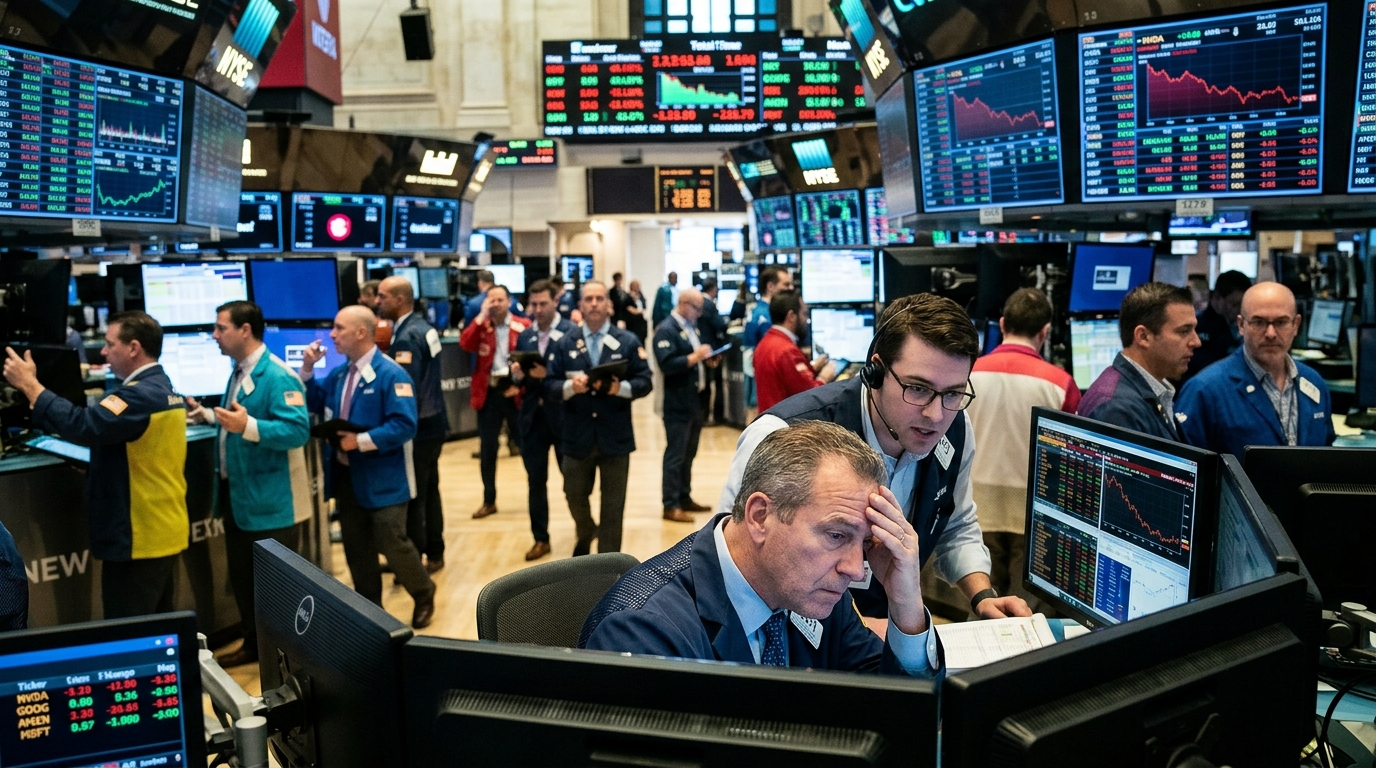
The ongoing conflagration in the Middle East is no longer merely a humanitarian and geopolitical tragedy; it is evolving into one of the most expensive economic events of the decade for the private sector. According to recent analyses and market data, the direct and indirect costs to global businesses have already surpassed the $25 billion mark, sending shockwaves through the global supply chain, from Northern European shipping giants to US-based fast-food titans.
Shipping in the Eye of the Storm
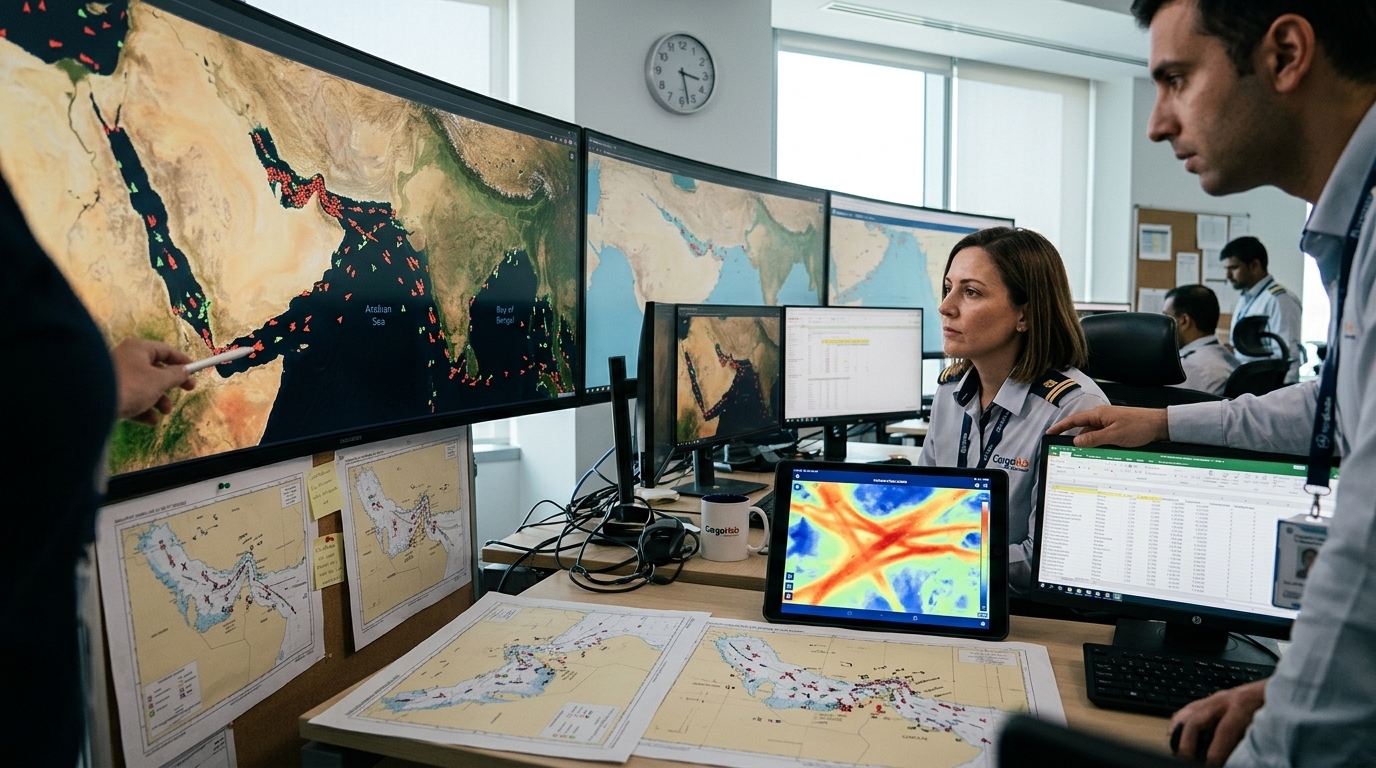
The sector hit first and hardest is undoubtedly global shipping. Houthi attacks in the Red Sea have forced major market players, such as Maersk and Hapag-Lloyd, to abandon the Suez Canal in favor of the long and costly detour around Africa via the Cape of Good Hope. This rerouting adds an average of 10 to 14 days to the journey, sharply increasing fuel consumption and operational expenses.
Estimates suggest that extra fuel costs and heightened risk insurance premiums have burdened the industry with billions of dollars. However, the issue is not limited to costs alone. Delays in the delivery of raw materials and finished goods have caused "arrhythmias" in the production lines of European automakers, some of whom were forced to temporarily halt factory operations due to component shortages. The value chain is proving once again to be extremely fragile in the face of geopolitical risks.
The Cost of Boycotts and Consumer Sentiment
Beyond the supply chain, the war has ignited an unprecedented crisis of reputation and sales for some of the world's most recognizable brands. Companies like Starbucks and McDonald's have found themselves targeted by widespread boycotts in Muslim-majority countries and Western markets alike, driven by consumer perceptions of their stance on the conflict. Lost profits for these companies are estimated in the hundreds of millions of dollars per quarter.
This trend highlights a new reality for multinationals: neutrality is now nearly impossible. In a deeply polarized world, businesses are required to manage not just their financial figures, but also the moral footprint of their activities. The decline in sales across the Middle East and Southeast Asia for specific groups is not just a temporary dip but a sign that geopolitical positioning now directly influences brand loyalty.
Energy Uncertainty and Inflationary Pressures
While oil prices have not skyrocketed to the levels many feared at the start of the crisis, volatility remains the greatest enemy of planned growth. Uncertainty regarding a potential escalation involving Iran and the Strait of Hormuz is forcing businesses to maintain higher safety stocks, tying up capital that could otherwise be invested in innovation.
Furthermore, increased transportation costs are gradually being passed on to the end consumer, refuelling the inflationary pressures that central banks have been desperately trying to tame. If the conflict continues with the same intensity, the risk of a "stagflationary" environment for the region, with spillover effects on Europe, remains a distinct possibility. Businesses are now being forced to redraw their procurement maps, turning to "friend-shoring" or "near-shoring" to mitigate exposure to such crises.
Conclusion: A New Economic Geography
The $25 billion bill is just the tip of the iceberg. The real cost lies in the restructuring of global trade. The days of "carefree" globalization, where goods traversed the planet with minimal cost and risk, seem to be a thing of the past. The Middle East serves as a harsh reminder that the economy does not operate in a vacuum; it is inextricably linked to peace and stability.
- Shipping costs have surged by over 40% on specific routes.
- Boycotts affect 5-10% of revenue for major multinationals in the region.
- Insurers have tripled premiums for voyages in high-risk zones.
- Europe remains the most exposed economy due to its reliance on the Suez Canal.