In the heart of Greek entrepreneurship, few personalities spark as much intense debate as Apostolos Vakakis. The man behind the Jumbo empire, known for his unconventional rhetoric and his ability to read market trends before they become the norm, is today facing a new challenge. Jumbo’s 'digital experiment' and the adoption of a pop-up culture are not merely business moves; they are the response to what he calls an 'environment of inefficiency costs.'
The Philosophy of Inefficiency
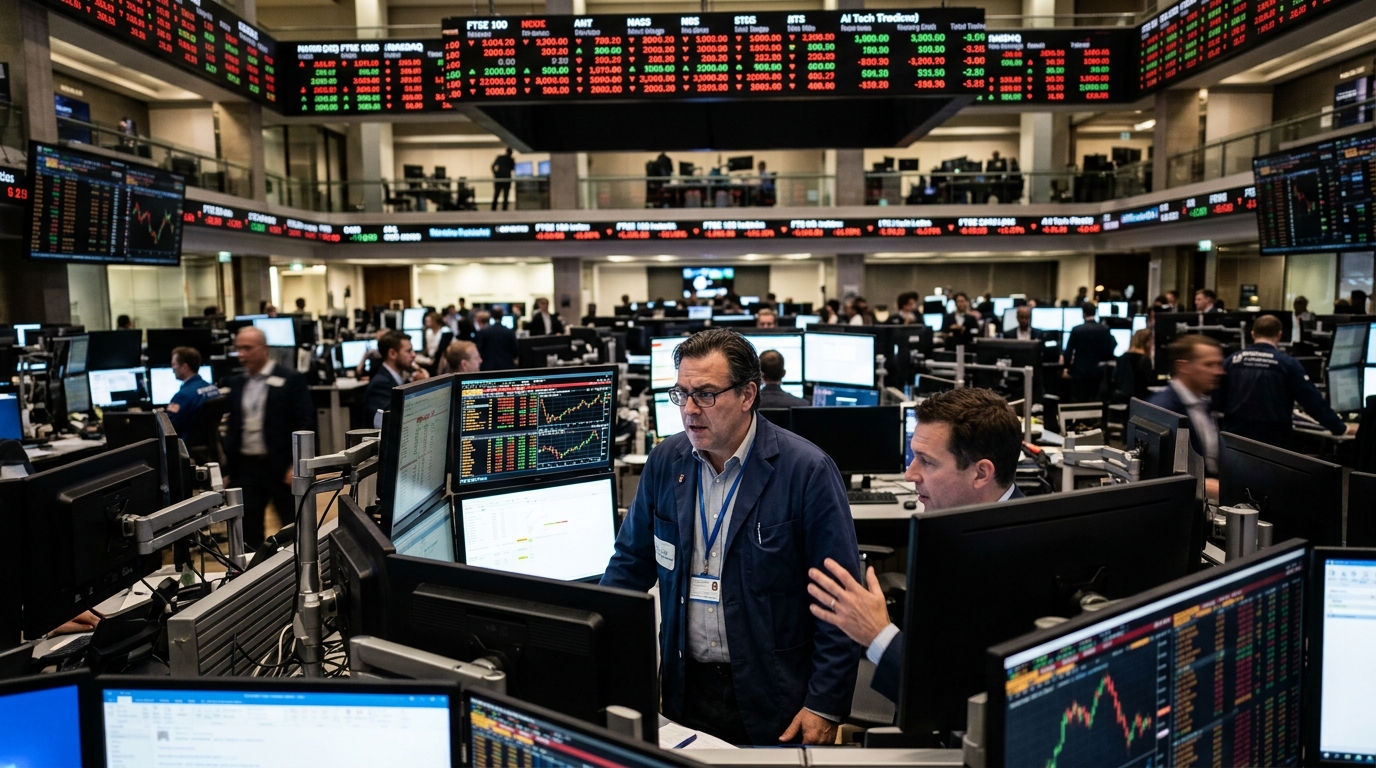
For Mr. Vakakis, the current global context—marked by ongoing wars, inflationary pressures, and supply chain disruptions—has created a paradox. While technology promises speed, the actual cost of business operations is rising due to exogenous factors beyond control. Jumbo, instead of obsessively chasing digital dominance, chooses a more conservative, almost 'surgical' approach.
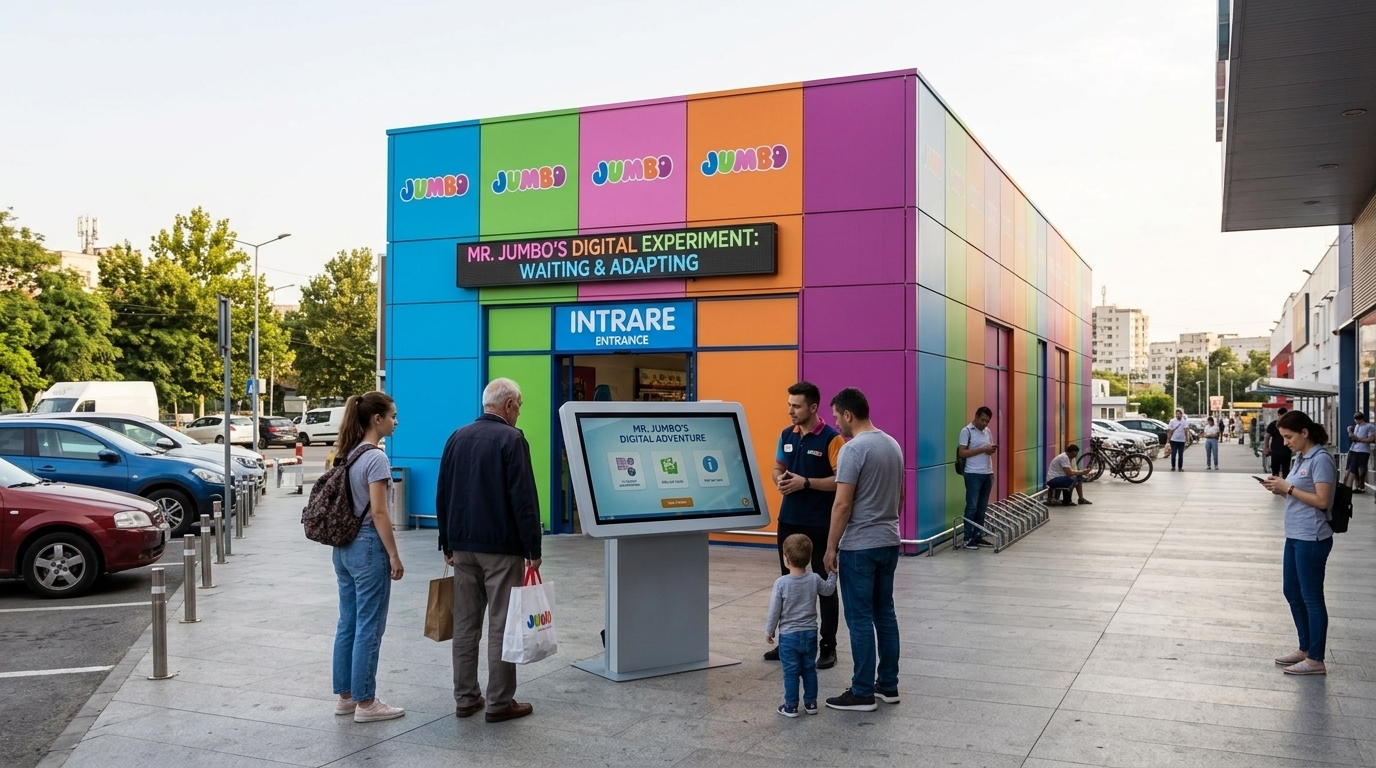
This strategy is based on the premise that blind investment in e-commerce, without the necessary infrastructure and without ensuring profitability, can be fatal. For Jumbo, the physical store remains the 'temple' of consumption, while the digital channel functions complementarily, as an experiment that evolves slowly and carefully. The 'pop-up' logic—creating temporary or seasonal touchpoints—allows the group to test market resilience without committing massive capital to permanent structures that might prove unprofitable in the future.
The Digital Path and Its Challenges
Jumbo’s e-shop is not a new story, but its evolution in 2026 shows a clear shift toward quality over quantity. The group refuses to enter a price war on deliveries or spend excessively on marketing for its digital shelf. Instead, it focuses on supply chain optimization. As market analysts point out, Jumbo prefers to lose online market share rather than sacrifice its profit margins.
- Inventory Management: Utilizing AI to predict demand at a local level.
- Logistics Flexibility: Shifting from a 'just-in-time' to a 'just-in-case' model, maintaining larger stocks to mitigate transport delays.
- Experience Focus: Turning physical stores into entertainment destinations, something the internet cannot fully replicate.
Pop-up Culture as a Strategic Tool
The concept of the pop-up store is not new, but the way Jumbo integrates it is innovative for Greek standards. Using data from consumer digital searches, the group identifies areas with high demand but low coverage and places temporary sales points. This model offers the necessary flexibility in an era where consumer habits change at the speed of light.
"We cannot plan for the next ten years when we don't know what will happen next month," Mr. Vakakis recently stated, emphasizing the need for adaptability.
This approach reflects a broader trend in global retail: a return to the basic principles of profitability. After a decade where growth at any cost was the dogma, businesses are returning to the logic of sustainability. Jumbo, with its strong cash reserves, has the luxury of waiting and choosing its battles.
Conclusion: The Future of Retail in Greece
Mr. Vakakis’s experiment is being closely watched by the entire market. If it succeeds, it will prove that the digital transition does not have to be a violent upheaval but an organic evolution. Jumbo demonstrates that in a world that is racing, sometimes the most revolutionary move is to slow down, assess the risks, and move only when the ground is solid. The 'pop-up' culture and digital prudence may well become the new gospel for businesses seeking to survive in the turbulent decade we are navigating.