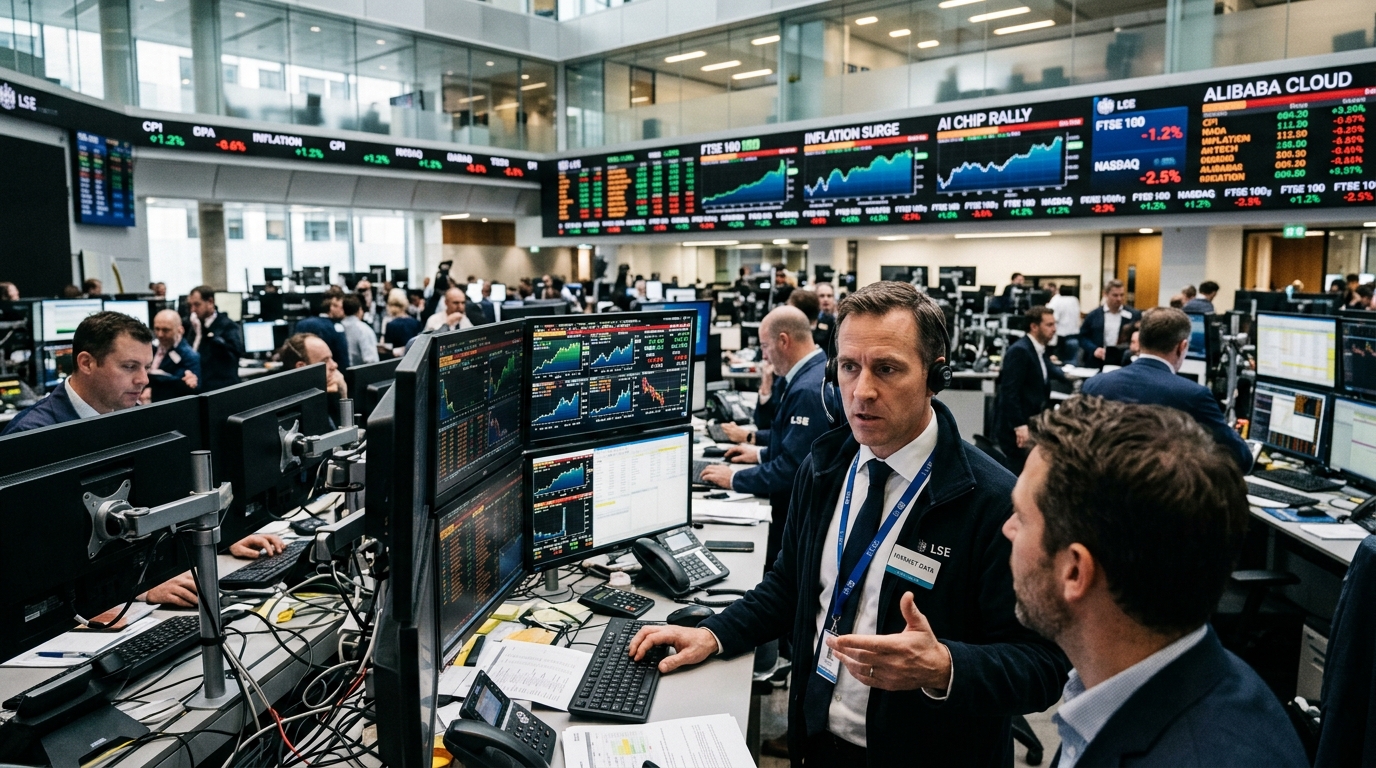
As we navigate through May 2026, the economic landscape is defined by a paradoxical duality. On one hand, central banks are struggling with inflation that refuses to retreat to target levels; on the other, the Artificial Intelligence (AI) sector is fueling a stock market euphoria reminiscent of the dot-com era, yet backed by tangible infrastructure demand. The recent report by Blockonomi highlights three central pillars reshaping markets: the resurgence of inflationary pressures, the relentless AI chip rally, and the impressive strategic pivot of Alibaba Cloud.
The Inflation Paradox in an AI-Driven Economy
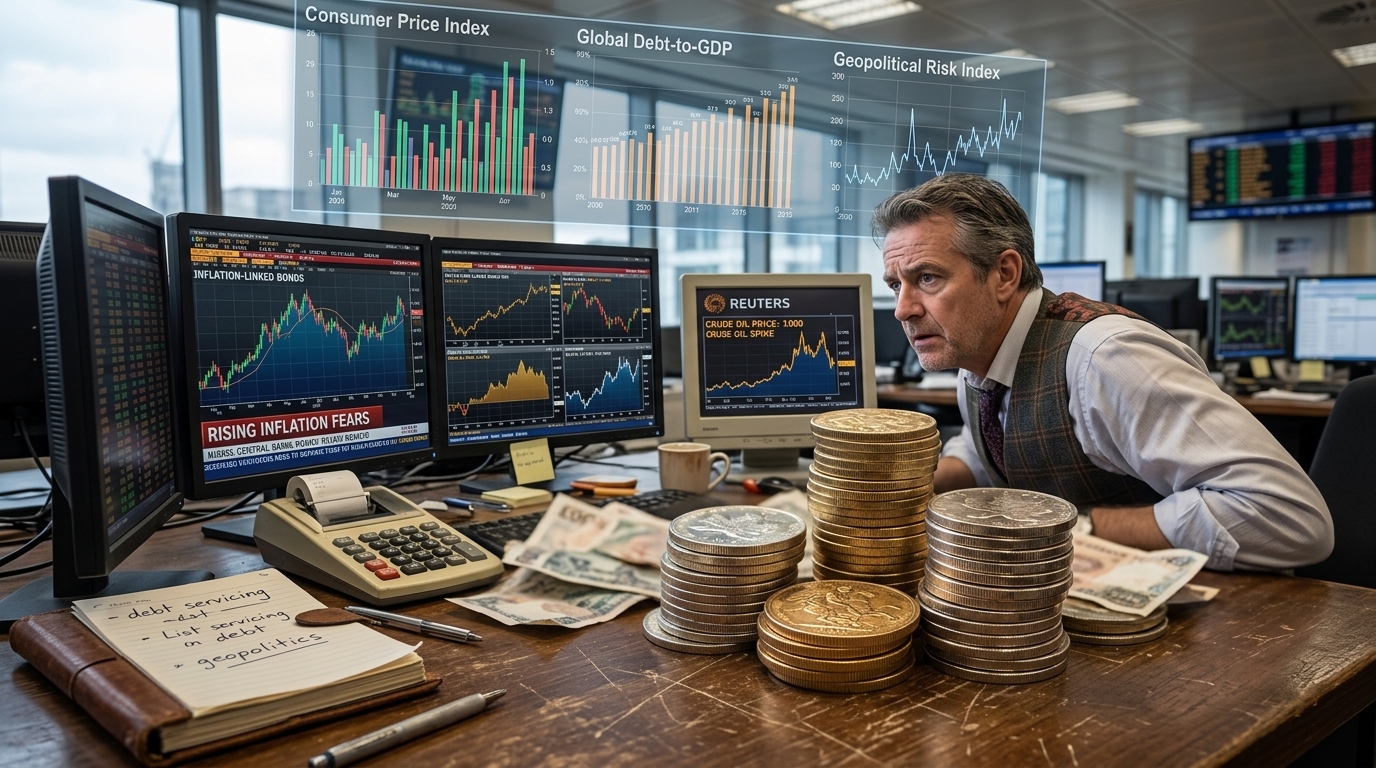
Inflation remains the primary thorn in analysts' forecasts. Despite consecutive interest rate hikes in previous years, consumer prices show remarkable resilience, driven largely by energy costs and a persistent shortage of specialized labor. However, AI introduces a new variable into the macroeconomic equation. While technological progress is traditionally viewed as deflationary—by increasing productivity and lowering costs—the current phase of the AI revolution requires massive capital expenditure (CapEx).
Tech giants are pouring billions into infrastructure, data centers, and power grids, creating an artificial demand that inflates the prices of raw materials and hardware components. This "AI-driven inflation" is a phenomenon that central bankers in Washington and Frankfurt are monitoring closely. The balance between financing innovation and maintaining the purchasing power of citizens has never been more delicate. We are witnessing a shift where the cost of building the future is temporarily offsetting the efficiency gains that the future promises.
The Silicon Gold Rush: New Geopolitics of Power
If gold was the currency of the 19th century and oil that of the 20th, AI semiconductors are undoubtedly the currency of the 21st. The rally in chipmaker stocks is not merely a speculative bubble; it is a reflection of a structural shift in the global economy. NVIDIA, AMD, and emerging players in the specialized ASIC (Application-Specific Integrated Circuit) space are seeing their valuations skyrocket as compute becomes the most valuable commodity on Earth.
Demand for processing power is now inelastic. Every industry, from healthcare to automotive, is embedding AI models, making chips a strategic necessity. The geopolitical dimension is equally critical: export restrictions to China have created a bifurcated market where innovation proceeds at two different speeds. Investors are no longer betting just on technological superiority, but on a company's ability to navigate the murky waters of international trade conflicts and supply chain resilience.
Alibaba Cloud: The Dragon's Strategic Counter-Strike
At the heart of the Asian market, Alibaba Cloud is staging an impressive comeback. Following a period of regulatory scrutiny and internal restructuring, the Chinese giant is now focused exclusively on providing the backbone for Generative AI. Alibaba's growth is not just a corporate success story; it is a signal that China does not intend to cede the AI race to Silicon Valley.
By aggressively cutting prices for cloud services and championing open-source AI models, Alibaba is attempting to build an ecosystem that rivals Microsoft’s Azure and Amazon’s AWS. For the global market, this means heightened competition and potentially a new wave of innovation born from China's necessity for technological self-reliance. Investors who had previously shunned Chinese tech stocks are beginning to re-evaluate, seeing Alibaba as a potentially undervalued player with significant upside in the AI infrastructure space.
Market Implications and Future Outlook
The current juncture requires investors and policymakers to adopt a multi-layered approach. Inflation is no longer a one-dimensional monetary phenomenon but is inextricably linked to the pace of technological adoption. The chip rally indicates that the market firmly believes in the AI-centric future, while Alibaba’s resurgence highlights the importance of geographic diversification in a fragmented world.
- Inflation will likely remain higher for longer due to the massive CapEx required for AI infrastructure.
- Semiconductors have become the primary barometer of global economic health.
- China, through Alibaba, is redefining its role in the global IT supply chain despite Western sanctions.
Ultimately, the challenge remains the same: ensuring that technological progress translates into broad-based economic prosperity rather than just concentrated wealth for those who control the silicon and the data. The next eighteen months will be decisive in determining whether this AI-led growth can coexist with monetary stability.