The discourse surrounding Greek entrepreneurship is often trapped in a repetitive cycle of grievances about the past, bureaucratic hurdles, and missed opportunities. However, a recent intervention by the President of the Hellenic Federation of Enterprises (SEB), Spyros Theodoropoulos, struck a different chord: "we must stop focusing on who spilled the milk and move forward." This phrase is not merely an exhortation for optimism; it is an urgent call to redefine how Small and Medium-sized Enterprises (SMEs) in Greece manage their resources, especially at a time when Artificial Intelligence (AI) is reshaping the global economic landscape.
SMEs form the backbone of the Greek economy, accounting for 99% of businesses and the vast majority of employment. Nevertheless, the productivity gap remains significant. The influx of funds from the Recovery and Resilience Facility (RRF) and the NSRF (ESPA) offers a historic opportunity, but there is a real risk that this capital might be squandered on superficial improvements without a substantial impact on productivity. The real challenge is whether this money will "count" through deep digital and organizational reform.
Digital Maturity Beyond the "Website"
For years, digital transformation for Greek SMEs was perceived as a simple process of setting up an e-shop or maintaining a social media presence. Today, this model is obsolete. True digital maturity requires the integration of ERP (Enterprise Resource Planning) systems, CRM (Customer Relationship Management), and now, AI tools that can optimize supply chains, forecast demand, and automate internal workflows.
According to recent studies, Greek enterprises still lag in adopting advanced technologies. While connectivity has improved, the use of Big Data analytics and AI remains in single digits for micro-enterprises. The challenge is not only financial but also educational. The workforce within SMEs must undergo upskilling to handle these new tools. Without the right knowledge, purchasing expensive software is akin to buying a sports car to drive on a dirt road.
AI as a Catalyst for Survival
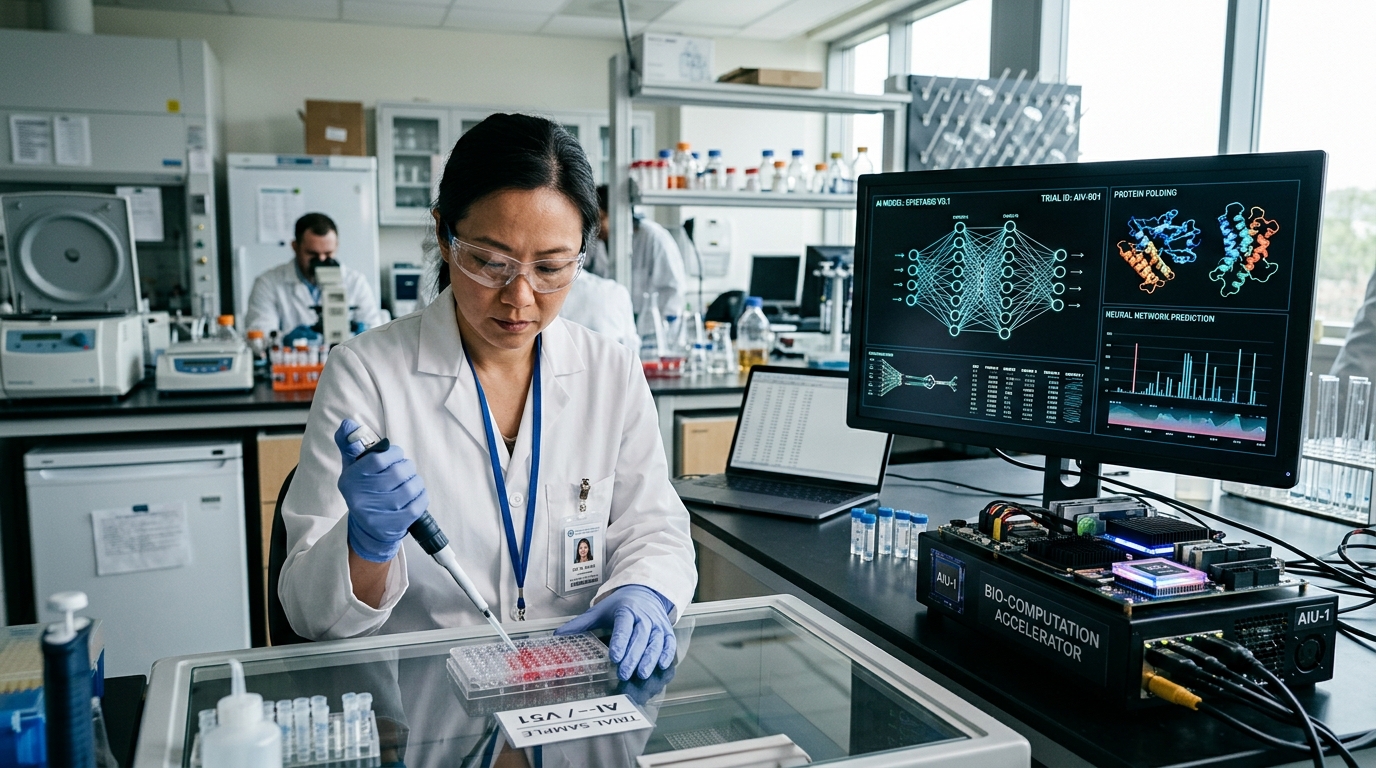
Artificial Intelligence is no longer a science fiction scenario reserved for large multinationals. For a Greek SME, AI can mean the difference between profit and loss. Imagine a small food processing unit using algorithms to reduce raw material waste, or a travel agency using generative AI to offer personalized holiday packages to thousands of customers simultaneously.
- Routine Automation: Freeing up time from bureaucratic tasks to focus on creativity and strategy.
- Predictive Maintenance: Reducing repair costs in manufacturing through sensors and AI.
- Customer Personalization: Enabling small businesses to compete with giants in user experience.
However, adopting AI requires working capital and access to specialized consultants. This is where the state and banks must play their part. Subsidies should not be distributed "horizontally" but based on specific digital upgrade plans that demonstrably enhance extroversion and competitiveness.
From Subsidies to Meaningful Investments
The traditional model of "free money" in Greece has often led to distortions. Many businesses pursue subsidies for the sake of the subsidy itself, without a long-term business plan. As the SEB president emphasized, the focus must shift toward the future. This means that financial instruments must be linked to measurable targets (KPIs).
"Success is not measured by how much money was absorbed, but by how much the company's added value increased after the investment."
The European Union, through the "Digital Decade 2030," sets rigorous targets. Greece has made leaps in the digital transformation of the state, but the private sector, and particularly SMEs, is following at a slower pace. The lack of liquidity and the exclusion of many small businesses from bank lending remain major obstacles. It is essential to create new microfinance schemes and guarantee tools that will allow even the "small player" to invest in innovation.
Conclusions for the Day After
Making the money count means creating an ecosystem where technology is not a luxury but a basic work tool. SMEs must understand that digital transformation is not an expense but an investment in survival. Conversely, the state must further simplify procedures and ensure that knowledge about AI and new technologies reaches every corner of the country.
The "spilled milk" of deindustrialization and the crisis belongs to the past. The future demands courage, collaborations, and, above all, a new mindset that views technology as the great ally of Greek creativity. If SMEs manage to integrate AI and digital solutions meaningfully, then the Greek economy will not just be resilient—it will be a protagonist on the European stage.