In a move that has sent shockwaves through international energy markets, Kuwait has announced the activation of 'force majeure' clauses for a significant portion of its crude oil exports. This decision, a direct consequence of escalating tensions and the partial blockade of the Strait of Hormuz, highlights the extreme vulnerability of the global supply chain in an era where geopolitical instability is becoming the new norm.
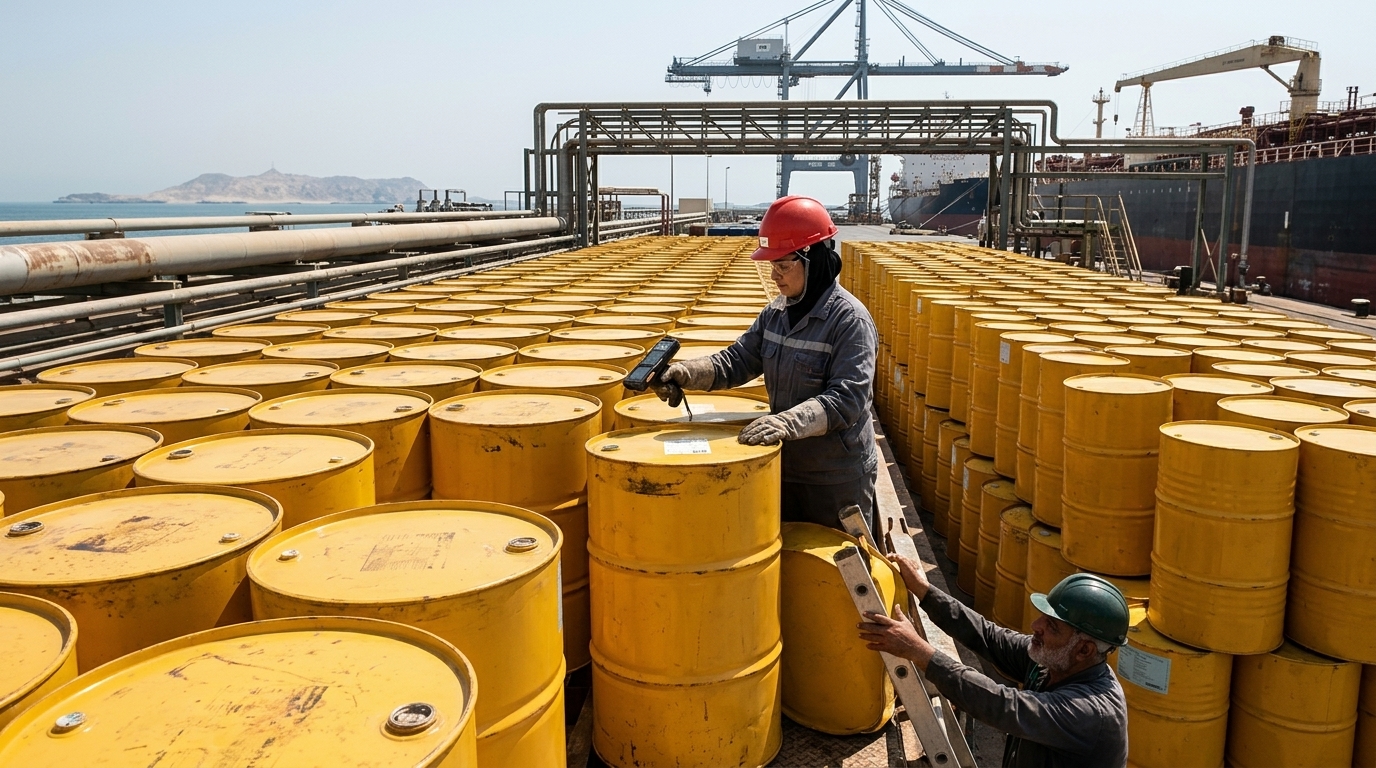
Kuwait, a leading OPEC producer, relies almost exclusively on the maritime route of Hormuz to transport its 'black gold' to markets in Asia and Europe. With navigation now becoming hazardous and tanker insurance costs skyrocketing to prohibitive levels, the country was forced to inform international buyers that it can no longer guarantee the delivery of agreed-upon volumes.
The Strategic Importance of the Strait of Hormuz
The Strait of Hormuz is not just a geographical point; it is the 'jugular vein' of the global economy. Approximately 20% of global oil consumption passes through this narrow passage, which is only 33 kilometers wide at its narrowest point. For countries like Kuwait, Iraq, and the United Arab Emirates, free navigation in Hormuz is a matter of national survival.
The current crisis is not only due to military threats but also to a systematic destabilization of international trade rules. When a country invokes 'force majeure,' it essentially declares that external factors make it impossible to fulfill its contractual obligations through no fault of its own. This allows Kuwait to avoid massive legal penalties, but simultaneously sends a distress signal to importers, particularly Japan, South Korea, and China, who depend directly on Gulf oil.
Economic Implications and Rising Prices
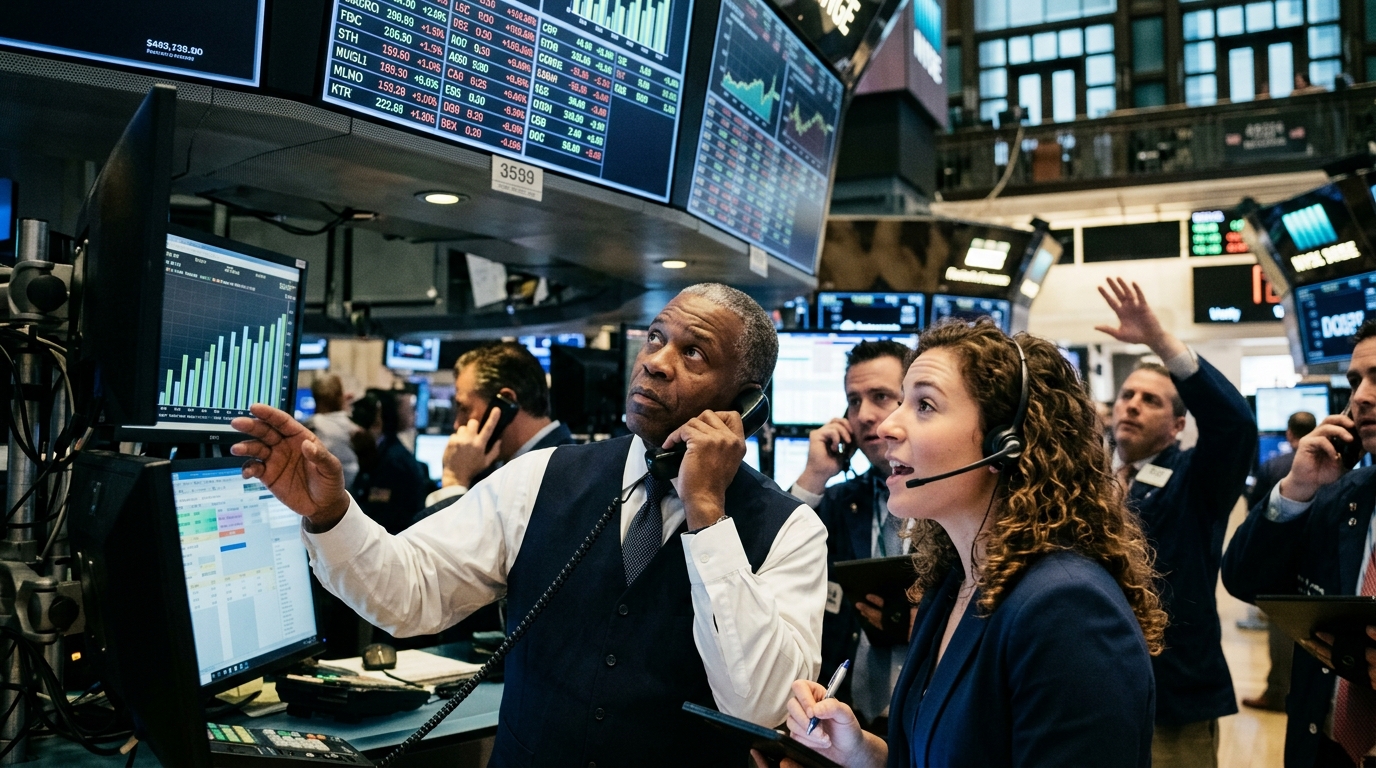
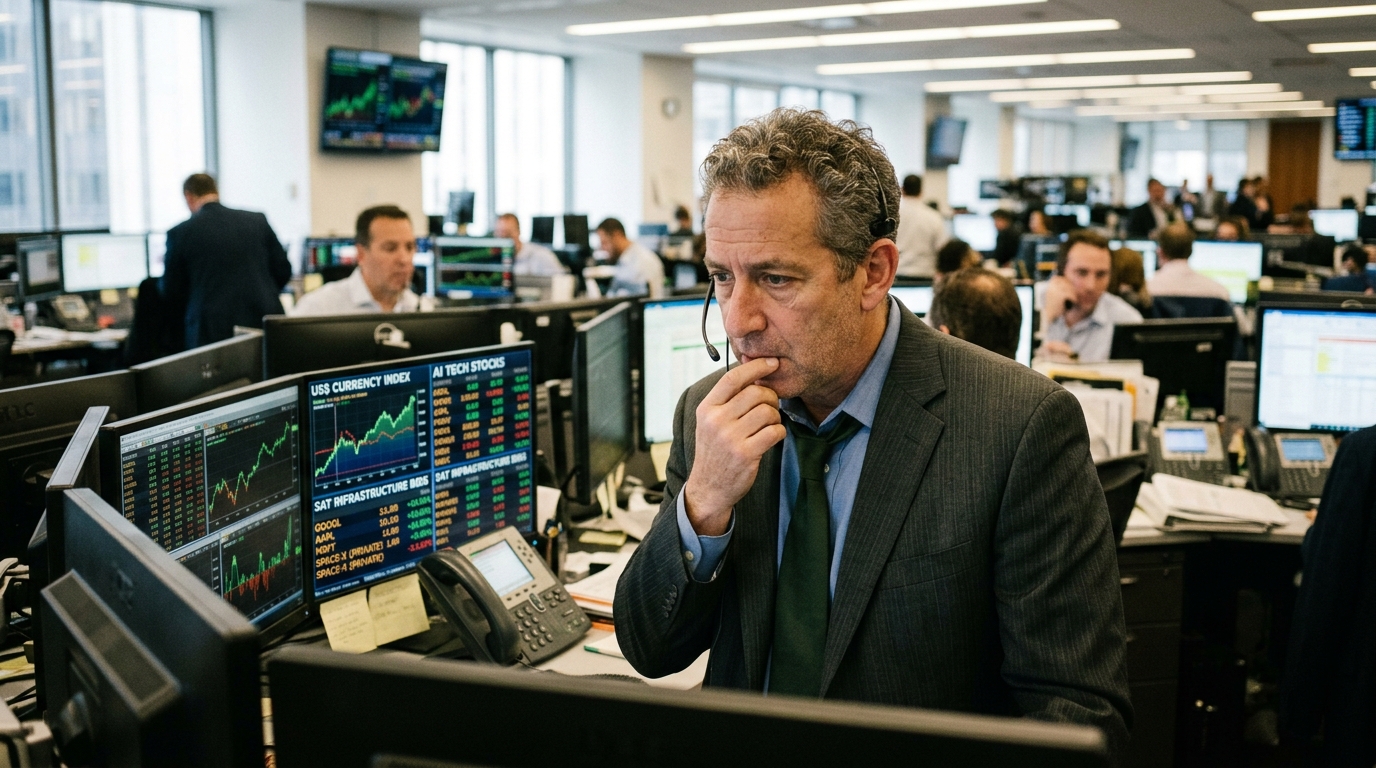
The market reaction was immediate. Brent crude prices surged by over 4% within hours of the announcement, while analysts warn of further escalation if the situation in Hormuz is not normalized promptly. This increase is passed on almost instantaneously to fuel prices at the pump, fueling a new cycle of inflationary pressures that central banks have been struggling to contain since early 2026.
- Skyrocketing freight rates for Very Large Crude Carriers (VLCC).
- Increased production costs for European industry.
- Pressure on the foreign exchange reserves of developing nations.
Furthermore, Kuwait's move sets a precedent that other regional producers may follow. If Iraq or Saudi Arabia take similar steps for cargoes exiting the Gulf, the global market will face a supply shortage that cannot be met by US strategic reserves or increased shale production.
The Geopolitical Chessboard and the Road Ahead
Behind the technical details of the contracts lies a harsh geopolitical confrontation. Ensuring the safety of navigation in the Persian Gulf was traditionally the responsibility of international forces, led by the US. However, shifting balances and the emergence of new regional players have made this protection uncertain. Kuwait, attempting to maintain a stance of neutrality, finds itself caught between the pressures of major powers and the need to protect its national resources.
A solution appears neither easy nor imminent. Constructing alternative pipelines to bypass the Strait is a project that requires years and billions of dollars. Until then, the global economy will remain a hostage of geography and the political whims of the powers controlling the shores of Hormuz. The 2026 crisis serves as a stark reminder that the energy transition is not only an environmental imperative but also a matter of national and economic sovereignty.
"Energy is the lifeblood of the global economy, and when the arteries are blocked, the entire organism risks a heart attack," notes a leading energy market analyst.
In conclusion, Kuwait's decision to restrict its exports is the first 'domino' in a series of developments that will redefine energy relations between East and West. Consumers in Europe and beyond must prepare for a period of high volatility, as the path of oil now passes through the most dangerous straits of modern history.