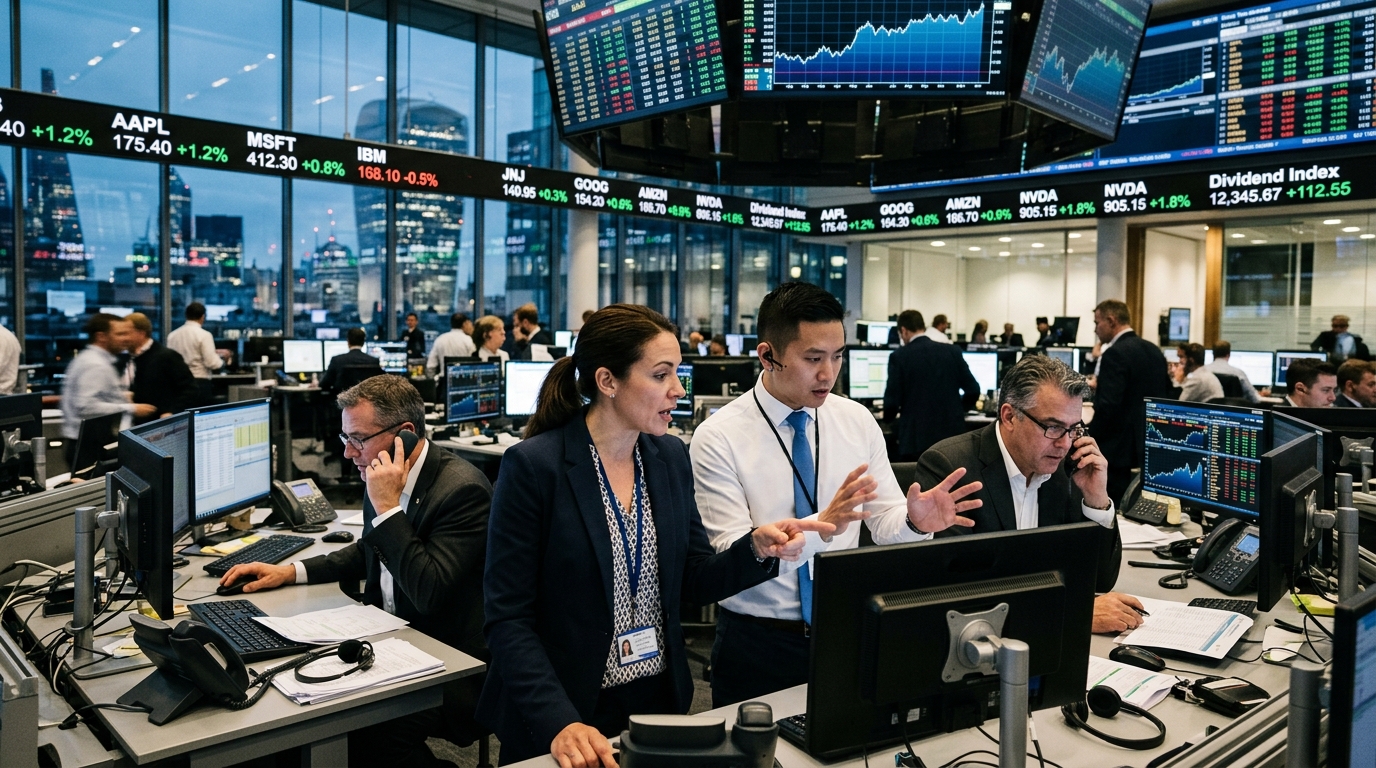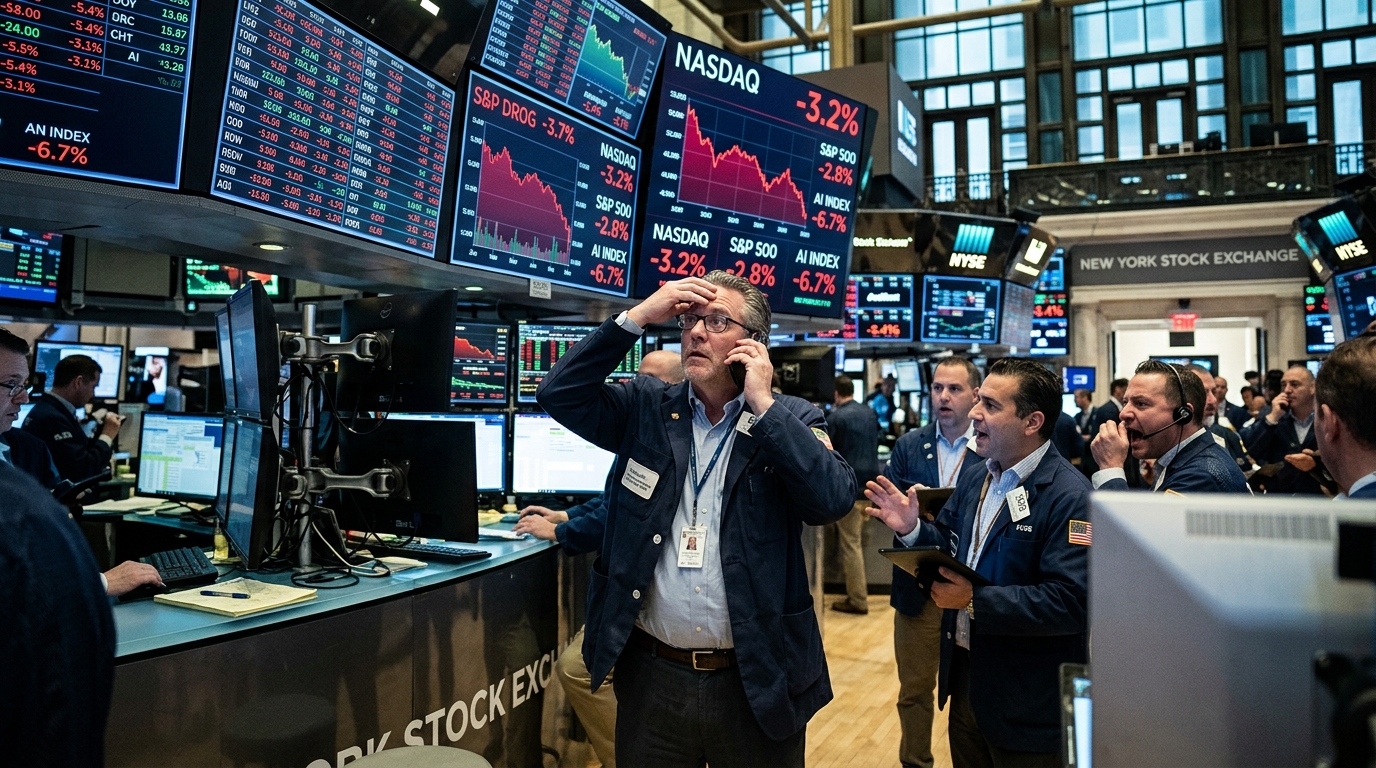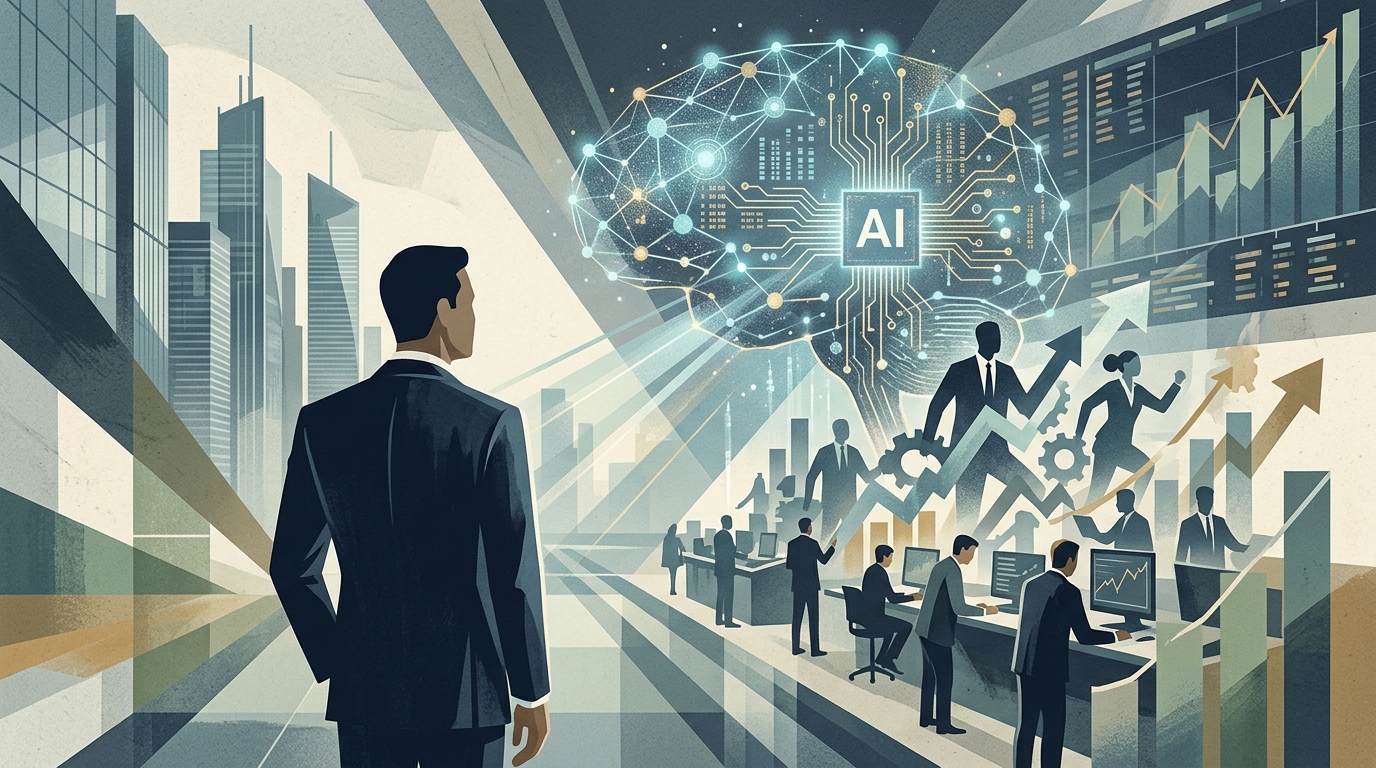
In the labyrinthine corridors of Wall Street, where success has traditionally been measured by "gut feeling" and the ability to read markets before anyone else, a silent revolution is underway. A veteran of the hedge fund industry, having spent decades chasing "alpha"—the return that exceeds the market—is now attempting the unthinkable: to build an artificial intelligence system so capable that it would render his own once-invaluable skills entirely obsolete. This story is not just about technology; it is about the existential crisis of an entire caste of professionals who believed their judgment was irreplaceable.
The Transition from Intuition to Automated Intelligence
For decades, top fund managers relied on a blend of financial analysis, political intuition, and privileged access to information. However, the volume of data generated today—from satellite imagery of retail parking lots to real-time sentiment analysis from social media—has far outstripped human processing capabilities. The effort of this veteran, as detailed in a recent Wall Street Journal profile, focuses on using Large Language Models (LLMs) and neural networks that don't just crunch numbers but "understand" the context of economic events.
The irony is palpable. The very individuals who built empires on their personal brilliance are now funding the erasure of their professional identities. The strategy is no longer to find the next "star" analyst but to encode their experience into algorithms that don't tire, lack emotional bias, and can execute trades in milliseconds. This shift toward AI-enhanced systematic trading is radically altering the structure of hedge funds, reducing the need for armies of analysts and increasing the demand for data engineers and model training specialists.
The Efficiency Paradox and Market Risks
While the promise of greater efficiency is alluring, the full automation of hedge funds carries significant risks. When multiple AI systems are trained on the same historical data, there is a risk they will converge on the same strategies, creating "herding behavior" that could lead to sudden flash crashes. The veteran in our story admits that the challenge is not just building a system that wins, but one that understands when market conditions have shifted so radically that its prior knowledge is useless.
- The replacement of discretionary trading with algorithmic logic.
- The use of AI to analyze unstructured data, such as corporate earnings calls.
- The dramatic reduction of operational costs through research automation.
- The need for new regulatory frameworks to oversee the ethics and transparency of AI models in markets.
Furthermore, there is the issue of the "black box." If an AI model makes a decision that leads to massive losses, managers may not be able to explain "why." This creates an accountability gap that Wall Street has yet to fully address. Nevertheless, the arms race continues, as anyone left behind risks total obsolescence at the hands of competitors armed with faster and more accurate information.
The Human Component in a World of Machines
Despite the push for total automation, many wonder if AI can ever replace true creativity or the ability to predict "black swans"—events that have never occurred before. The veteran manager argues that his goal is not to eliminate the human element but to liberate it from repetitive tasks, allowing for a focus on high-level strategy. However, reality suggests that as AI evolves, the margin where human intervention adds real value continues to shrink.
"I am not trying to beat the machine; I am trying to become the architect of the machine that will surpass me," he states, highlighting a new form of professional narcissism or perhaps the ultimate admission of technological dominance.
Ultimately, Wall Street is transforming from a battlefield of personalities into a battlefield of computational power. The success of this specific venture will be judged not only by capital returns but by whether the market remains a place where human judgment still has a seat at the table, or if it will turn into a closed ecosystem of algorithms talking only to each other, leaving the rest of us as mere observers of our own economic destiny.