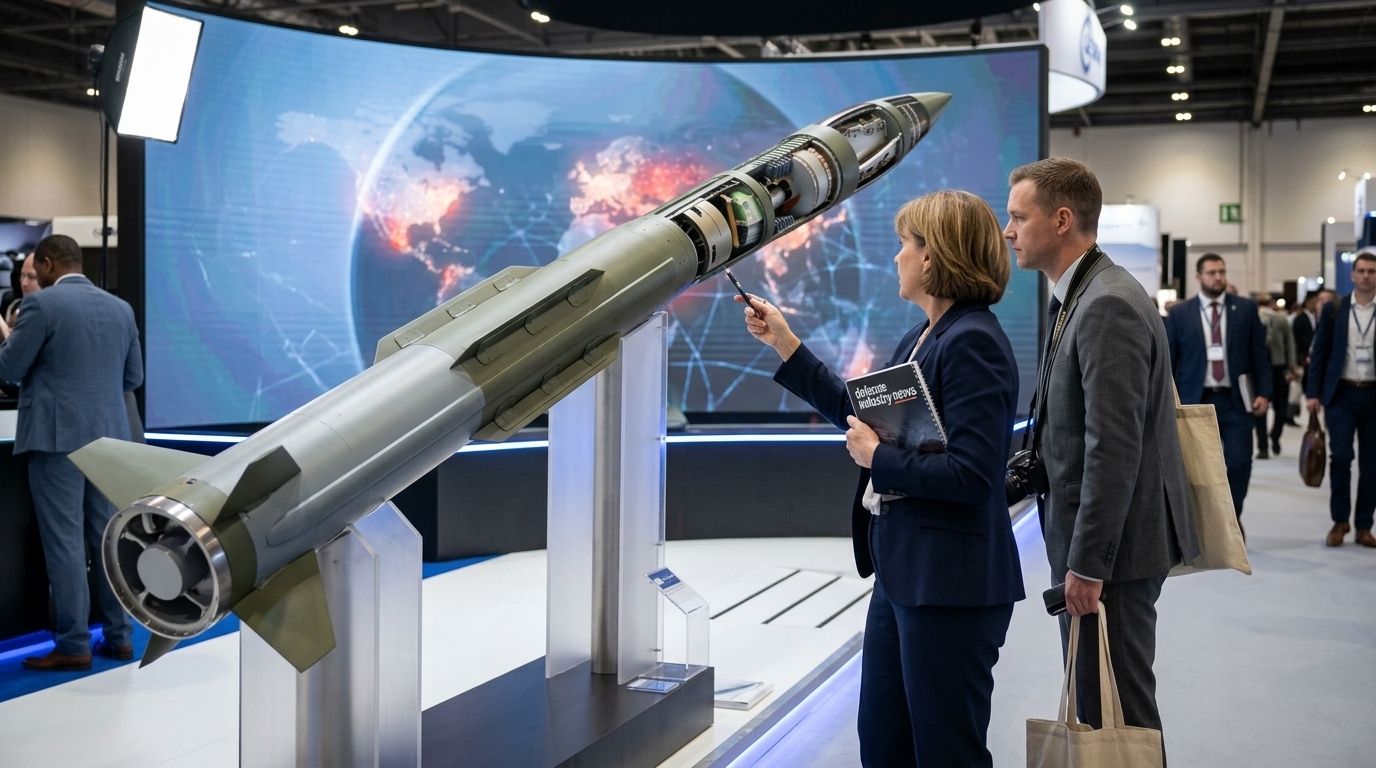
As we navigate April 2026, the global geopolitical landscape increasingly mirrors the tensest periods of the Cold War, but with a defining modern twist: economic stakes are now inextricably linked to artificial intelligence and the rapid-fire depletion of missile stockpiles. The Trump administration, steadfast in its 'peace through strength' doctrine, has unleashed a brand of rhetoric that—while sending shivers through diplomatic circles—sounds like a symphony to the shareholders of Lockheed Martin, RTX (formerly Raytheon), and General Dynamics.
The Resurgence of the Military-Industrial Complex
The current administration makes no secret of its intent to overhaul the U.S. armed forces with a focus on aggressive readiness. Recent escalations with Iran and the necessity for continuous support across multiple theaters have pushed missile and ammunition stocks to critical lows. What strategic analysts view as a security liability, defense contractors see as the 'golden opportunity' of the decade. Orders for interceptor systems like the Patriot and precision strike weapons have created backlogs exceeding $500 billion across the top five industry players.
Analysis indicates that defense spending as a percentage of GDP is approaching levels not seen since the Reagan era. However, the nuance lies in the integration of high technology. It is no longer just about 'iron and explosives'; it is about AI-driven targeting, autonomous swarms, and cyber-kinetic integration. Washington appears to be writing blank checks, operating under the belief that the nation's industrial base must be mobilized at a wartime tempo to counter the rise of a multipolar world order.
The Iran Factor and Inventory Depletion
Tensions in the Persian Gulf have served as the primary catalyst for skyrocketing profits. The deployment of hundreds of interceptors in short windows has exposed a structural flaw: the inability of the production line to keep pace with field consumption. Defense firms, leveraging political cover from the White House, are now demanding multi-year, fixed-price contracts, arguing that only such guarantees justify the massive capital expenditure required to expand factory floors.
- 25% surge in aerospace and defense stocks since the beginning of the fiscal year.
- $15 billion in new contracts for long-range missile production alone.
- Increased arms exports to Gulf allies, streamlined by executive orders.
This 'war economy' is creating a new reality on Wall Street. Analysts point out that the risk is no longer a lack of demand, but the industry's ability to source specialized labor and raw materials to meet the sheer volume of orders. AI plays a pivotal role here, being utilized for supply chain optimization and predictive maintenance, further padding corporate profit margins.
The Ethical and Political Dimension
However, the prosperity of defense contractors does not come without a societal price. Critics of the administration argue that Trump's bellicose stance fuels a vicious cycle of rearmament that makes conflict more likely, not less. When a superpower's economy becomes so heavily reliant on arms sales, the incentive for diplomatic de-escalation naturally withers. Furthermore, the diversion of resources from social welfare and the green transition toward the defense sector is sparking intense backlash from Democratic ranks and international bodies.
"We aren't just buying security; we are buying time and industrial primacy," a senior Pentagon official stated at a recent industry summit.
In conclusion, the current era is defined by a cynical but undeniable economic logic. For investors, political instability has become the new 'safe haven.' For the rest of the world, the hope remains that these weapons—despite the massive profits they generate—will never need to be deployed in a full-scale conflict that would irrevocably alter the course of human history.