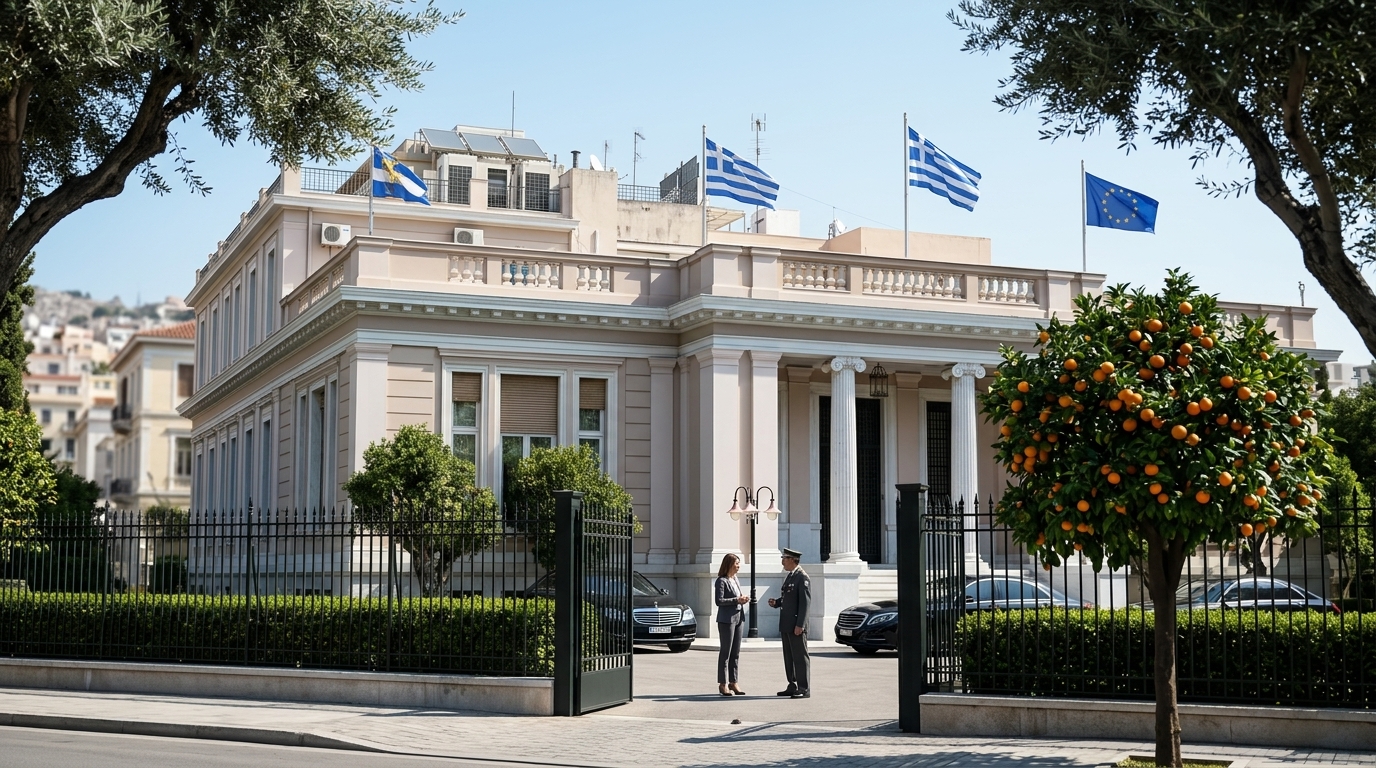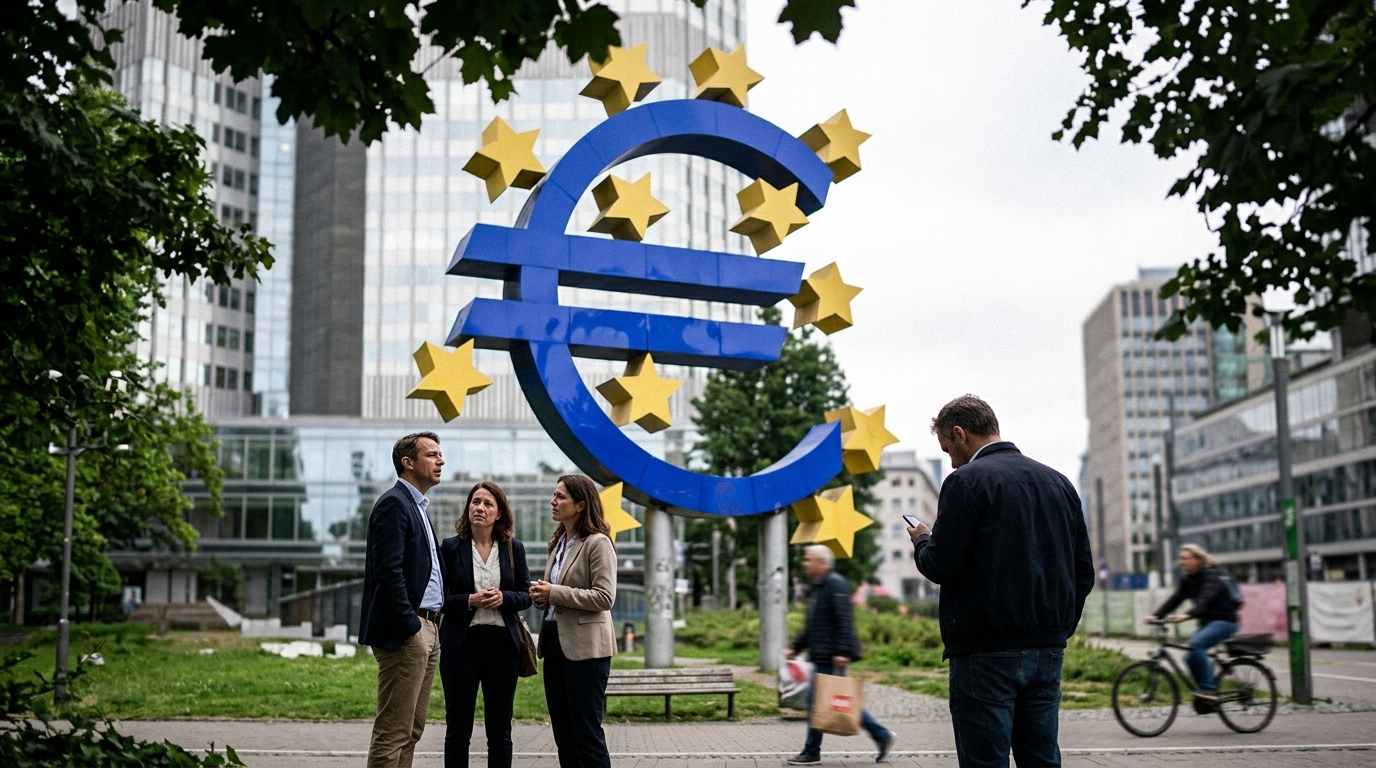
The energy crisis, which continues to cast a long shadow over the European economy, presents the Greek government with a critical dilemma: how to protect vulnerable social groups and the country's productive base without jeopardizing Greece's hard-won fiscal credibility. The key to this equation is the €800 million limit—a figure that serves as both a defensive wall and a compass for the Ministry of Finance's next moves.
The €800 Million Ceiling: A Strategy of Precision
The government's decision to set a clear €800 million limit for support measures is not arbitrary. After years of overlapping crises and fiscal overruns, Athens is under the watchful eye of international markets and European institutions. The return to the rules of the Stability and Growth Pact requires surgical precision. Horizontal measures, which characterized the early phases of the pandemic and the initial energy price explosion, are now being phased out in favor of targeted interventions.
Economic officials recognize that maintaining primary surpluses is essential for securing and maintaining an investment-grade rating. However, the pressure from the cost of living remains stifling. In this context, the €800 million represents the "fiscal space" secured through better-than-expected revenue performance, primarily driven by tourism and a crackdown on tax evasion. The strategic choice is clear: this capital will not be dispersed indiscriminately but will be directed where the need is most acute.
Diesel Subsidies: A Strategic Choice for Supply Chain Stability
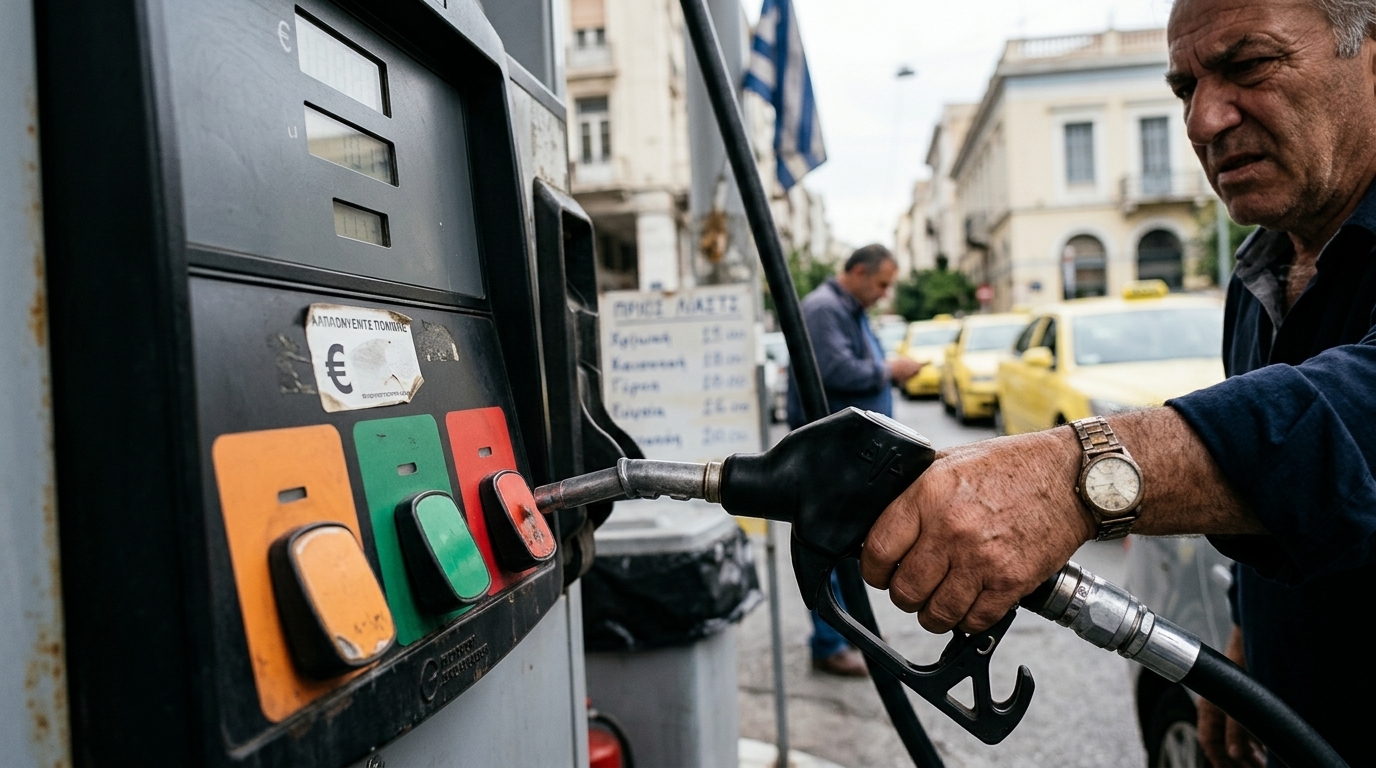
One of the most significant moves in this new cycle of measures is the extension of the diesel subsidy. The decision to maintain this support through May, aiming to keep prices below the psychological and economic threshold of €2 per liter, has a multi-pronged objective. Diesel is not merely a fuel for private vehicles; it is the lifeblood of transport and the supply chain.
- Inflation Containment: Any increase in diesel costs is immediately passed on to product prices on supermarket shelves.
- Productive Sector Support: Farmers and logistics companies depend directly on diesel costs, and an uncontrolled rise would threaten their financial viability.
- Market Psychology: Stability in fuel prices acts as a buffer against inflationary expectations and speculative pricing.
"This is not just a handout; it is an investment in social and economic stability," government sources state, emphasizing that the focus on diesel was based on rigorous technocratic criteria.
Beyond Subsidies: Structural Changes and the Green Transition
Despite the importance of immediate measures, the government is aware that subsidies are merely a temporary fix. The real cure for the energy crisis lies in structural changes. The plan includes accelerating investments in Renewable Energy Sources (RES) and strengthening electrical interconnections. The goal is for Greece to transform from an energy importer into a net exporter of green electricity.
Furthermore, programs like "Save - Autonomize" are being promoted to reduce energy demand. Enhancing the energy efficiency of buildings is considered the most effective way to permanently lower household bills. In this framework, a portion of the €800 million may be allocated to supplementary energy upgrade initiatives for low-income households.
Political Impact and European Pressures
On a political level, managing high prices is the government's most significant challenge. Polls consistently show that the economy is the primary concern for citizens, surpassing even national security issues. The opposition has been vocal in its criticism, labeling the measures as "crumbs" and demanding horizontal cuts in VAT and Special Consumption Taxes (SCT).
However, Athens responds that a horizontal tax cut would blow a hole in the budget and deprive resources from critical sectors like healthcare and education. Moreover, the European Commission has made it clear that high-debt countries must avoid generalized tax relief that is not offset by equivalent measures. Thus, the €800 million limit is also a "statement of compliance" to Brussels, proving that Greece remains on the path of fiscal responsibility.
Conclusion: A Prolonged Winter
The energy crisis is not a phenomenon that will vanish anytime soon. Geopolitical tensions in Ukraine and the Middle East keep prices in a state of constant uncertainty. The Greek plan of targeted measures is an attempt to survive in a hostile environment. Its success will be judged by whether the €800 million manages to reach those who truly need it, without "burning" the future prospects of the Greek economy.