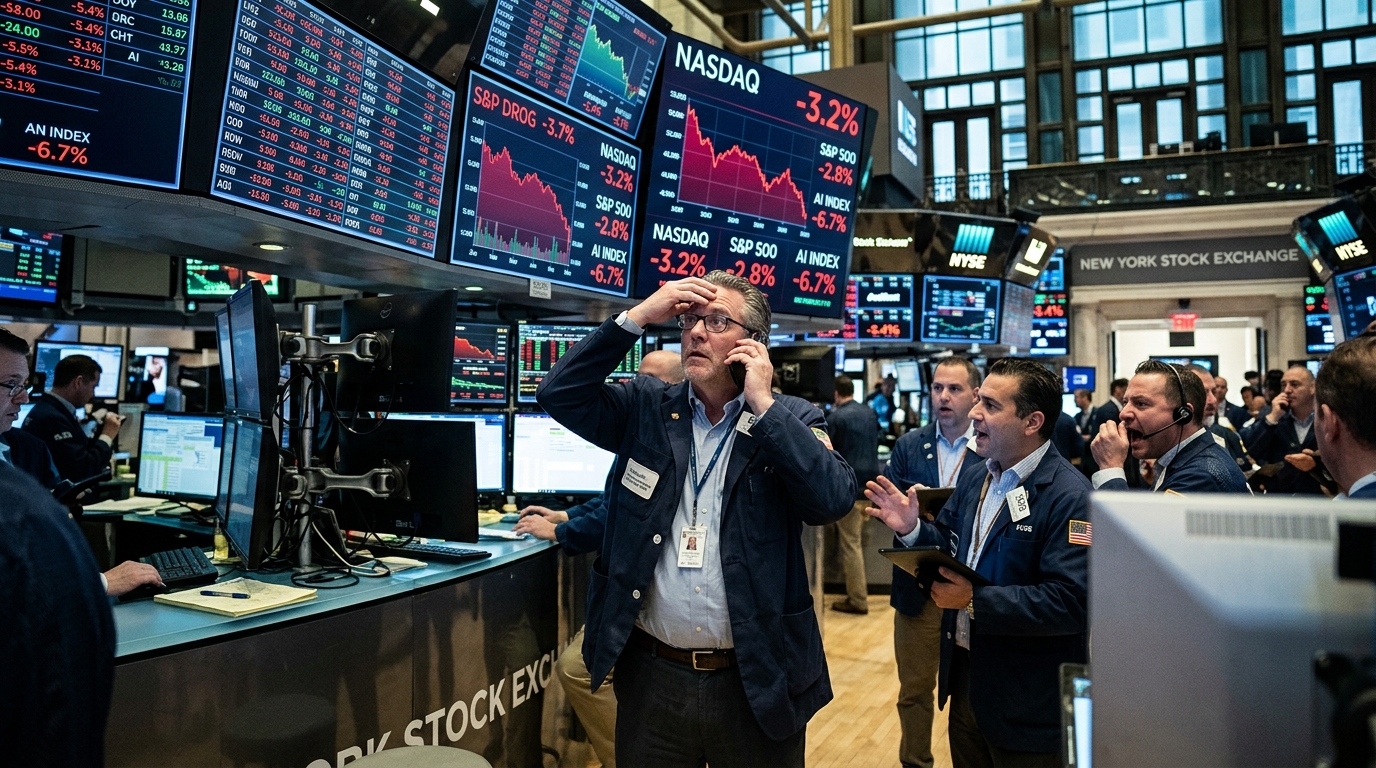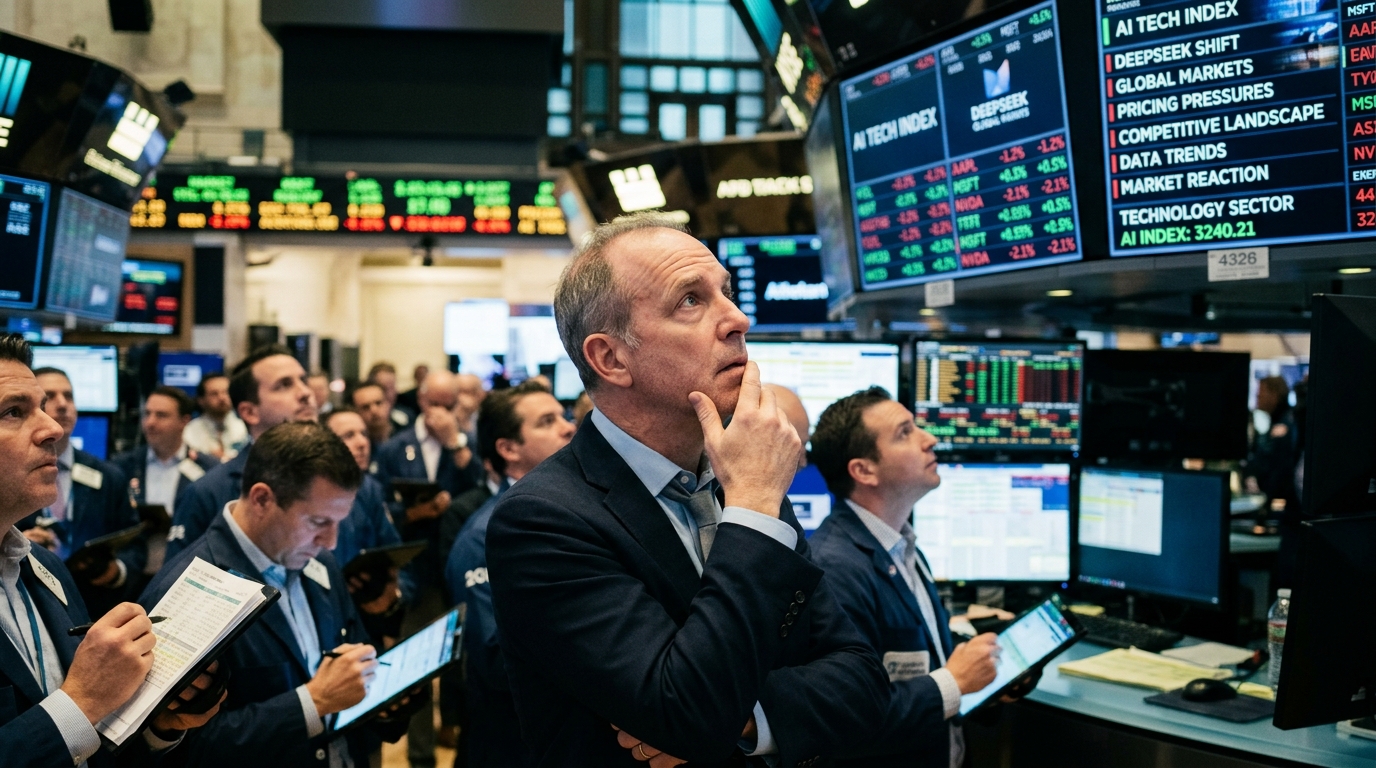
In a move reminiscent of the great oil crises of the past, but in reverse, the Chinese AI lab DeepSeek has sent shockwaves through the global artificial intelligence market. By announcing a dramatic price cut for its API services, particularly for its flagship V4 model, DeepSeek is not merely seeking to attract users; it is aiming to fundamentally destabilize the economic model of its Silicon Valley rivals. This maneuver marks the beginning of a new era in global competition: the era of the "commoditization of intelligence."
The 'Scorched Earth' Pricing Strategy
DeepSeek, which has already earned respect from the developer community for its architectural efficiency, is now offering its V4 model at prices up to 90% lower than comparable models like OpenAI’s GPT-4o or Anthropic’s Claude 3.5 Sonnet. For industry analysts, this is not a simple marketing promotion. It is a calculated strategic choice built on two pillars: technological superiority in Mixture-of-Experts (MoE) architecture and aggressive subsidization aimed at market dominance.
The MoE architecture allows models to activate only a fraction of their parameters when processing any given request, drastically reducing the computational cost (and thus the electricity) required per token. DeepSeek appears to have mastered this method, delivering state-of-the-art performance at a fraction of the overhead. This poses an existential question for giants like Google and Microsoft: Can they survive a price war where profit margins trend toward zero?
Geopolitics and the Efficiency Counter-Attack
DeepSeek’s move cannot be viewed in isolation from the broader geopolitical landscape. As the United States imposes strict export controls on high-end GPUs (like NVIDIA’s H100s) to China, Chinese firms are responding with innovation at the software and algorithmic levels. DeepSeek has demonstrated that clever architecture can compensate for a lack of raw hardware power. This "asymmetric response" is creating a headache for Washington, as cheap Chinese AI becomes the preferred choice for thousands of startups across Europe, Asia, and Africa.
Furthermore, price reduction acts as a data magnet. As more developers flock to V4 due to its low cost, DeepSeek collects vast amounts of interaction data, which in turn accelerates the refinement of its future models. It is a self-reinforcing loop that threatens to leave behind any competitor who insists on maintaining high access fees to protect their legacy margins.
Impact on the Startup Ecosystem
For small-to-medium enterprises and independent developers, DeepSeek’s decision is a godsend. API costs have historically been the single largest barrier to scaling AI applications. With these new price points, building complex AI agents that perform thousands of API calls daily becomes financially viable for the first time. However, there is a shadow side to this development: the increasing reliance on infrastructure controlled by an entity with different standards for data privacy and ethical alignment.
- Inference Costs: The price cuts lead to a 5x-10x reduction in the operational costs of AI-driven apps.
- API Competition: We expect an immediate response from OpenAI, likely in the form of new "mini" models or aggressive volume discounts.
- Shift to Efficiency: The market focus is moving from "who has the largest model" to "who has the most efficient one."
Ultimately, DeepSeek is not just selling code; it is selling the promise that artificial intelligence will become as cheap and ubiquitous as electricity. If Silicon Valley cannot find a way to match the efficiency of Chinese architecture, it risks finding itself in the same position Western automakers occupied when Japanese imports revolutionized the industry in the 1970s. The race to the bottom has begun, and the winner may be the one who can afford to lose the most money the fastest.