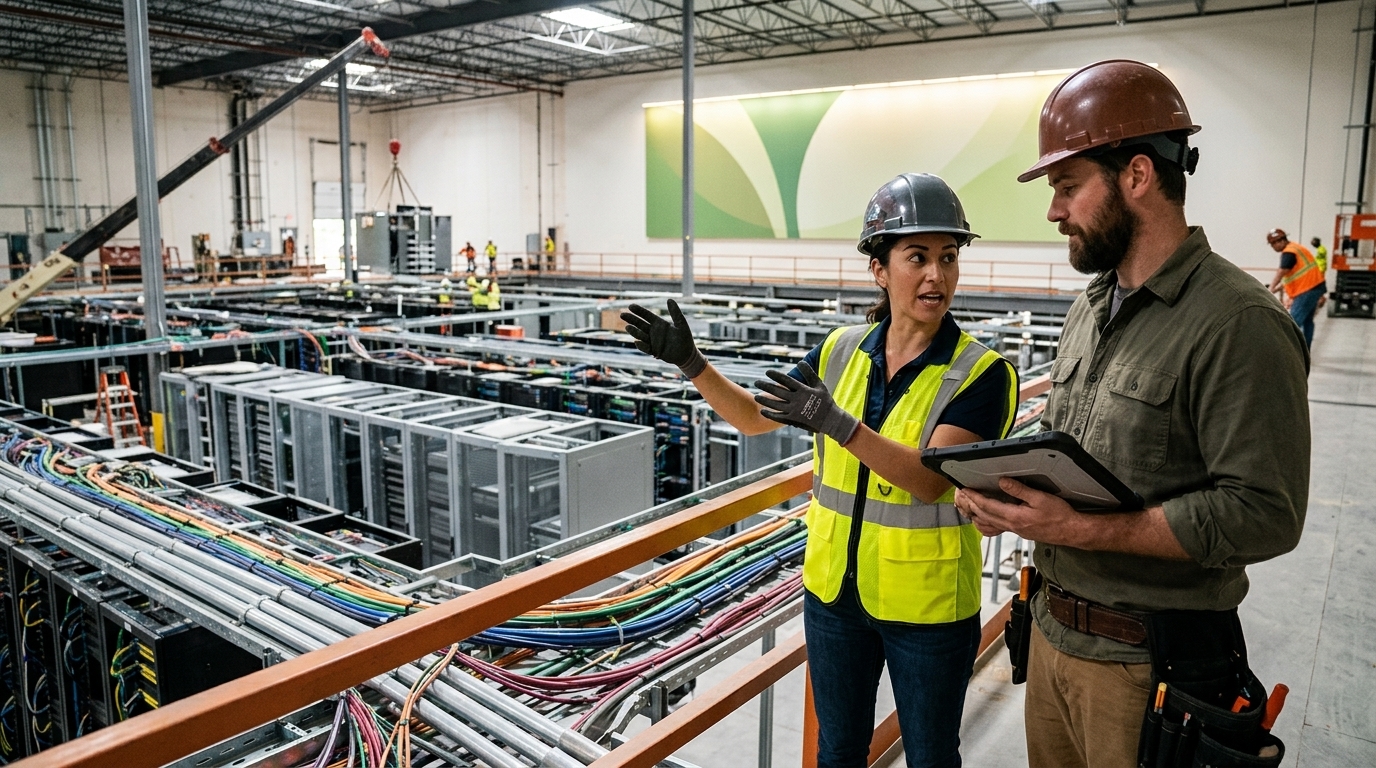
In the high-stakes world of artificial intelligence, the conversation usually revolves around abstract concepts: large language models, neural architectures, and the silicon-based consciousness of machines. However, the reality of AI in 2026 is grounded in something far more visceral. Behind every prompt and every generated image lies a massive physical infrastructure of copper, concrete, and fiber optics. This material necessity has birthed an unexpected trend: the urgent call for a renaissance in skilled manual trades.
Dan Peyovich, CEO of Dycom Industries—a major player in telecommunications and utility infrastructure—is at the epicenter of this shift. Recently, Peyovich voiced his hope for a skilled-trades revival within his lifetime, specifically targeting Gen Z to fill the gap. His strategy is blunt and practical: he’s offering immediate perks, including two weeks of vacation starting on day one, to lure a generation that has largely been steered away from manual labor toward the perceived safety of office cubicles.
The Collision of Digital Ambition and Physical Reality
The data center boom is not merely a corporate gold rush; it is a fundamental restructuring of global infrastructure. As tech giants like Google, Meta, and Amazon race to expand their capacity for AI workloads, the demand for electricians, welders, fiber technicians, and HVAC specialists has reached a fever pitch. Dycom Industries, which services these giants, has seen a surge in demand, but this growth is hitting a wall: the chronic shortage of skilled labor.
Peyovich argues that society has spent decades devaluing manual expertise, funneling youth into university degrees that often result in high debt and diminishing returns. "There’s a whole generation that’s been told success only happens behind a screen," he suggests. The irony is palpable: the very technology hosted on those screens now depends entirely on the physical sweat and precision of people working in the field, laying the cables and cooling the processors that make AI possible.
Recruiting Gen Z: Beyond the 'Couch-Dwelling' Stereotype
Peyovich’s mention of "couch-dwelling" Gen Z might sound like typical generational friction, but it points to a deeper economic strategy. To make skilled trades attractive to a generation that values flexibility and work-life balance, Dycom is breaking traditional industry norms. Offering two weeks of vacation from day one is a radical departure from the "pay your dues" culture that has defined construction and utility work for a century.
Furthermore, the infrastructure sector offers something many recent college graduates lack: financial security and high wages without the albatross of student loans. Wages for specialized data center technicians have spiked, often outstripping the starting salaries of junior software developers or marketing associates. Gen Z, having witnessed the volatility of the tech sector and the rising cost of living, is beginning to view these "new-collar" jobs as a viable path to the middle class.
Geopolitical and Economic Implications
The race to build AI infrastructure is increasingly viewed through the lens of national security and economic sovereignty. Countries that can rapidly deploy and maintain vast data networks will hold a significant advantage in the AI-driven global economy. This elevates the status of the workers at Dycom and similar firms from mere contractors to strategic assets. In the United States, the push to "re-shore" manufacturing and bolster domestic tech infrastructure makes the labor shortage in trades a matter of national concern.
However, the challenge remains educational. Peyovich emphasizes that a trades revival requires a cultural shift in how we view vocational training. It’s not just about offering vacation time; it’s about providing a sense of mission. Young workers need to see that by building a data center, they are constructing the cathedrals of the 21st century. It is work that requires high-level problem solving and technical acumen—skills that, unlike many white-collar tasks, are not easily automated by the very AI they are helping to power.
Conclusion: The New Era of the 'AI Technician'
Dan Peyovich’s push for a trades revival is a necessary correction to an imbalanced economy. As we move deeper into the 2020s, the distinction between blue-collar and white-collar work is blurring. The emerging class of "AI Technicians" represents a hybrid workforce—one that uses digital diagnostic tools while physically manipulating the world. The success of this recruitment drive will determine more than just the stock price of companies like Dycom; it will determine whether the digital revolution has the physical foundation it needs to survive and thrive. The future, it seems, will be built by hand.