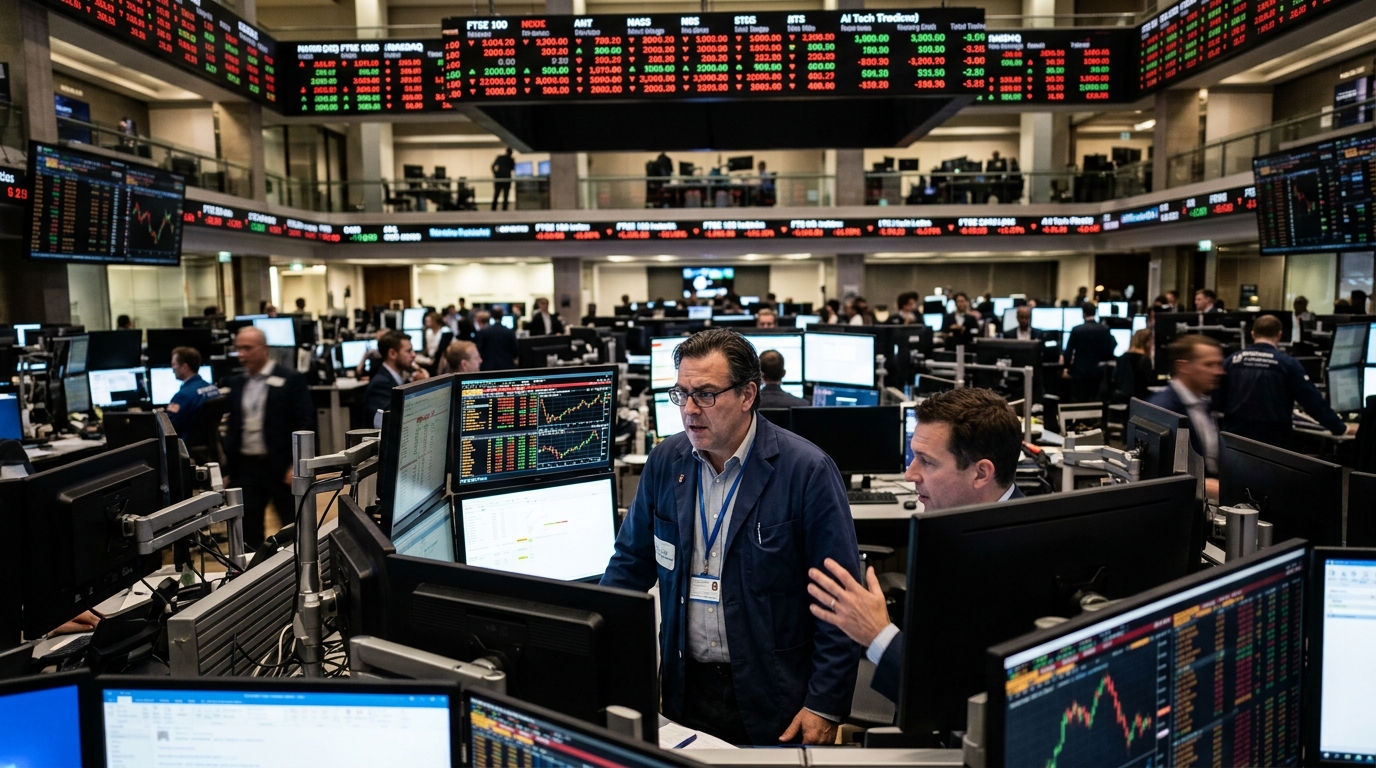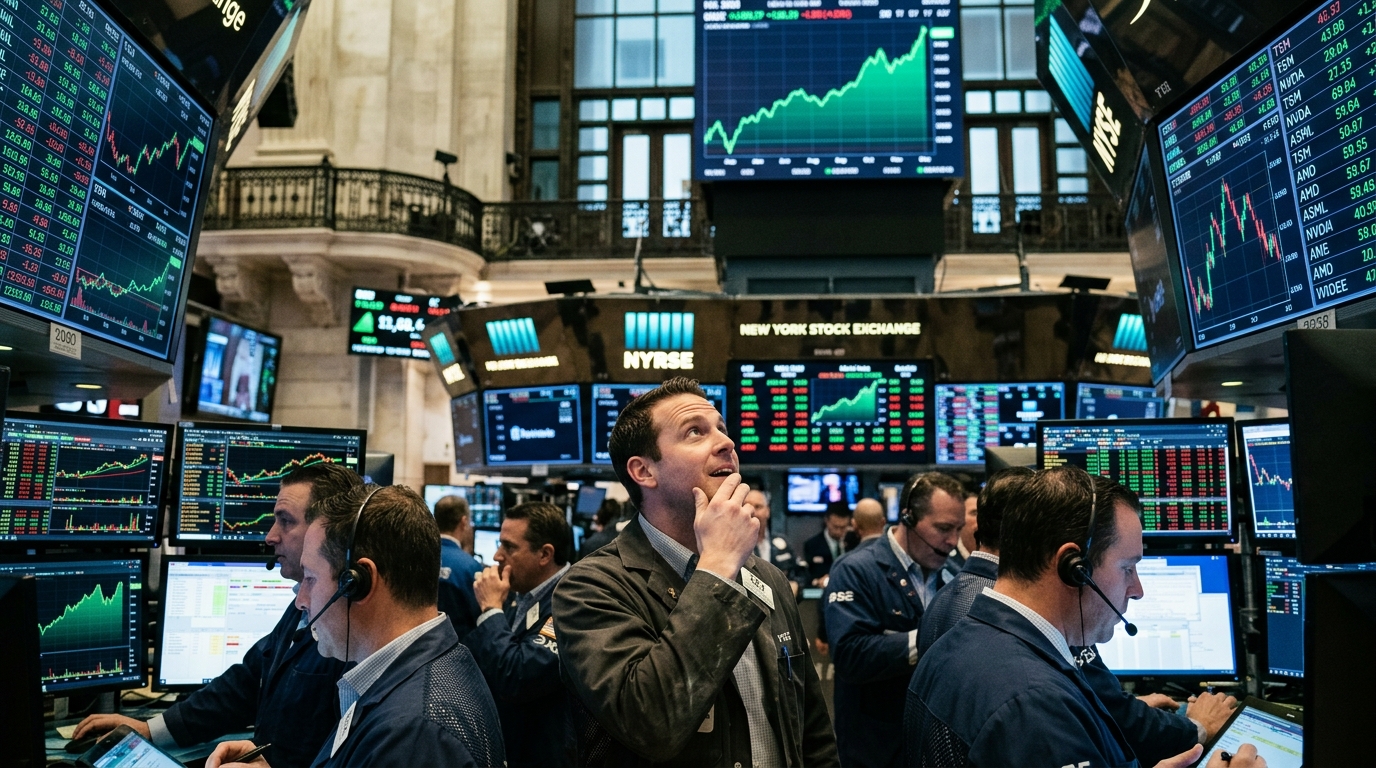
May 8, 2026, will be etched into financial history as the day the "Silicon Economy" firmly established itself as the dominant force of the 21st century. As the closing bell rang on Wall Street, the S&P 500 and the Nasdaq reached levels that many analysts considered unthinkable just two years ago. The driving force behind this rally was not mere speculation surrounding Artificial Intelligence, but tangible evidence that semiconductors have transformed into the "new oil" of global industry.
Transitioning from Hype to Infrastructure
On Bloomberg's "The Close," Kara Murphy, CIO of Kestra Investment Management, highlighted a critical shift in the investment narrative. While 2024 and 2025 were characterized by euphoria over the potential of Generative AI, 2026 finds the market focused on implementation. Semiconductor companies are no longer just selling promises; they are providing the essential building blocks for the reorganization of entire national infrastructures and corporate networks. The demand for specialized chips (ASICs) has skyrocketed as cloud computing giants seek to reduce their reliance on general-purpose solutions and optimize energy consumption.
Carlyle’s Jason Thomas offered a macroeconomic perspective, noting that private equity is now flowing massively into physical infrastructure projects that support AI. It's not just about chip design anymore; it's about data centers, power transmission grids, and cooling systems. This shift toward "hard" hardware provides a safety floor for the market, explaining why record highs are accompanied by relatively low volatility compared to previous tech bubbles.
The Convergence of Biology and Silicon
One of the most intriguing moments of the day was the appearance of Michael Mager, CEO of Precision Neuroscience. The discussion surrounding Brain-Computer Interfaces (BCI) is no longer in the realm of science fiction. The need for processing power that can interact directly with the human nervous system is opening a vast new market for semiconductor manufacturers. This convergence of biotechnology and information technology represents the next frontier fueling investor confidence for long-term growth.
- NVIDIA's dominance remains, but competition from custom in-house solutions is intensifying.
- Investments in energy infrastructure are now viewed as an integral part of the tech sector.
- Geopolitical stability in the chip supply chain remains the single largest tail risk.
According to Bloomberg's analysis, the current surge differs from the dot-com era because the cash flows are real. The companies leading the index have healthy balance sheets and profit margins that largely justify their high valuations. However, the concentration of power among a few key players remains a point of concern for regulators in the US and the EU.
The Future of the Market: Sustainability or Saturation?
As we move into the second half of 2026, the question is not whether AI will change the world, but at what pace capital expansion can continue. The risk of a semiconductor oversupply, while appearing distant, is beginning to be discussed in analyst circles. Nevertheless, the need for digital transformation in developing economies and the integration of AI into daily production suggest that the semiconductor cycle may still have a long way to run. Wall Street, for now, is celebrating a victory of technological supremacy over inflationary pressures and uncertainty.
"We are not just seeing a stock market rally; we are witnessing the repricing of human productivity through silicon," one guest remarked during the broadcast.
In conclusion, today's session confirmed that markets have fully embraced the new status quo. Semiconductors are no longer a cyclical industry; they are the central pillar upon which global economic stability is being built for the remainder of the decade.