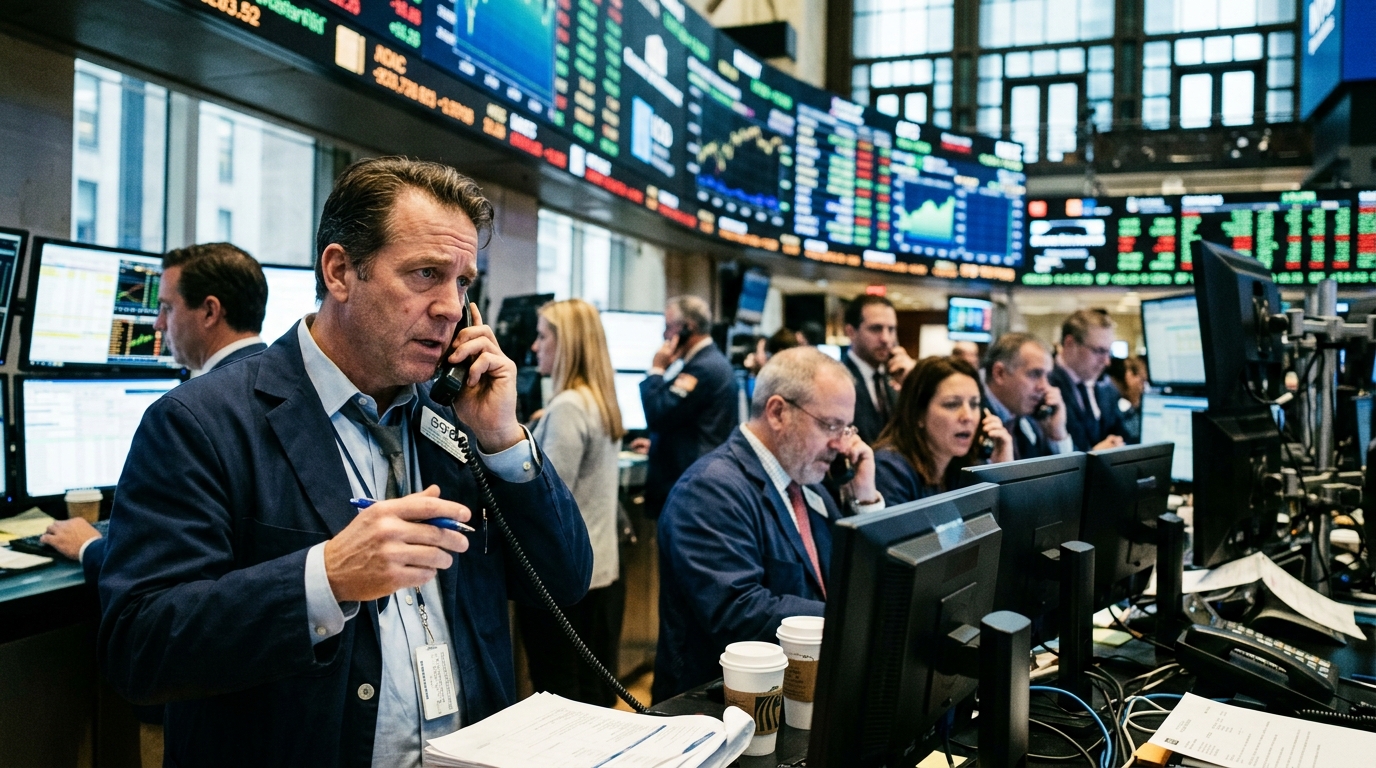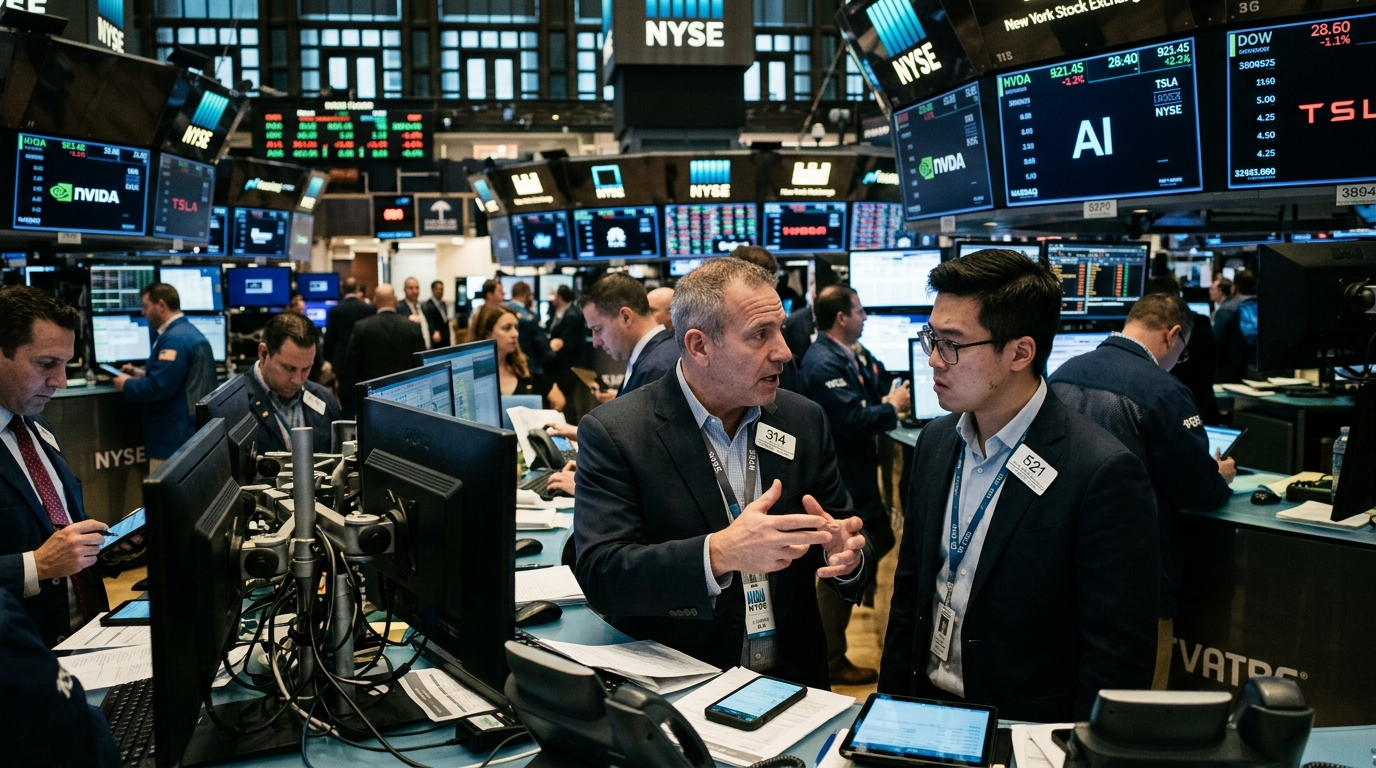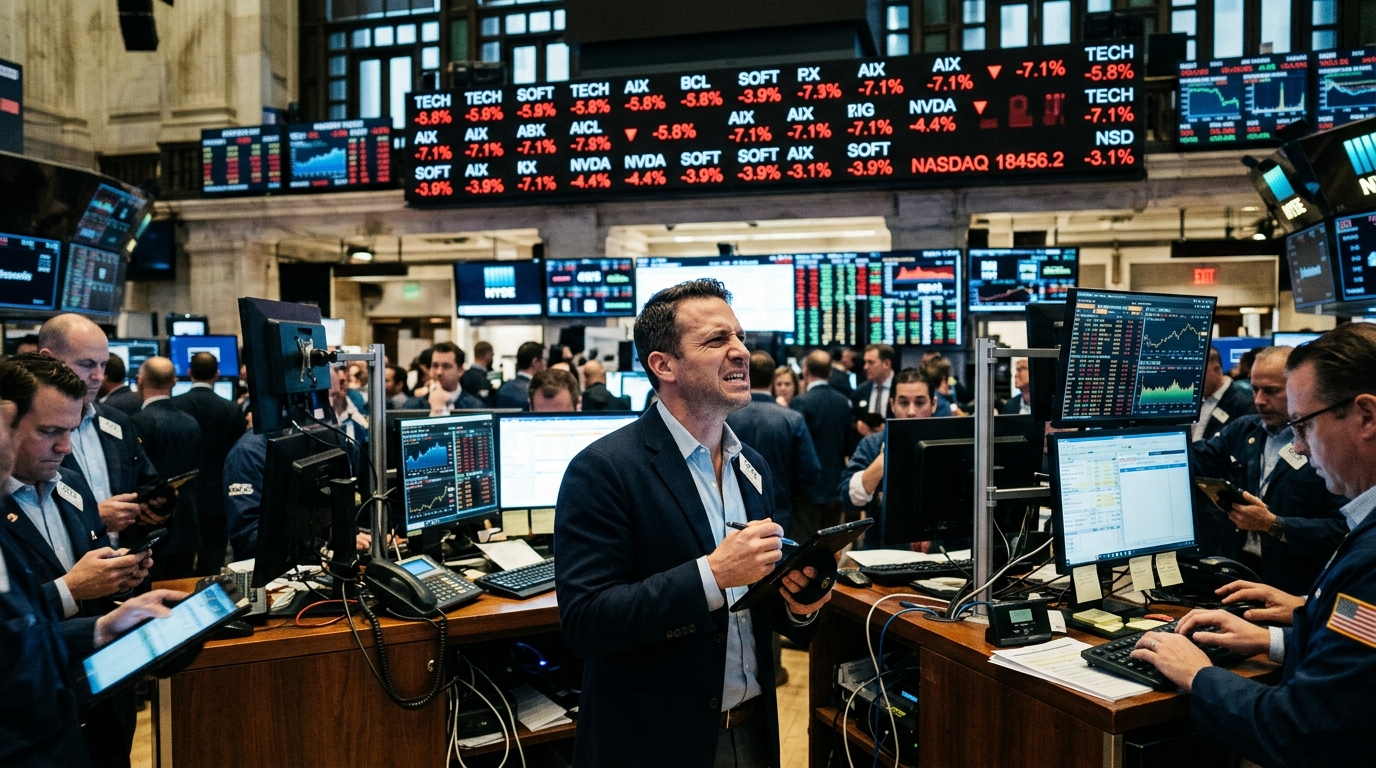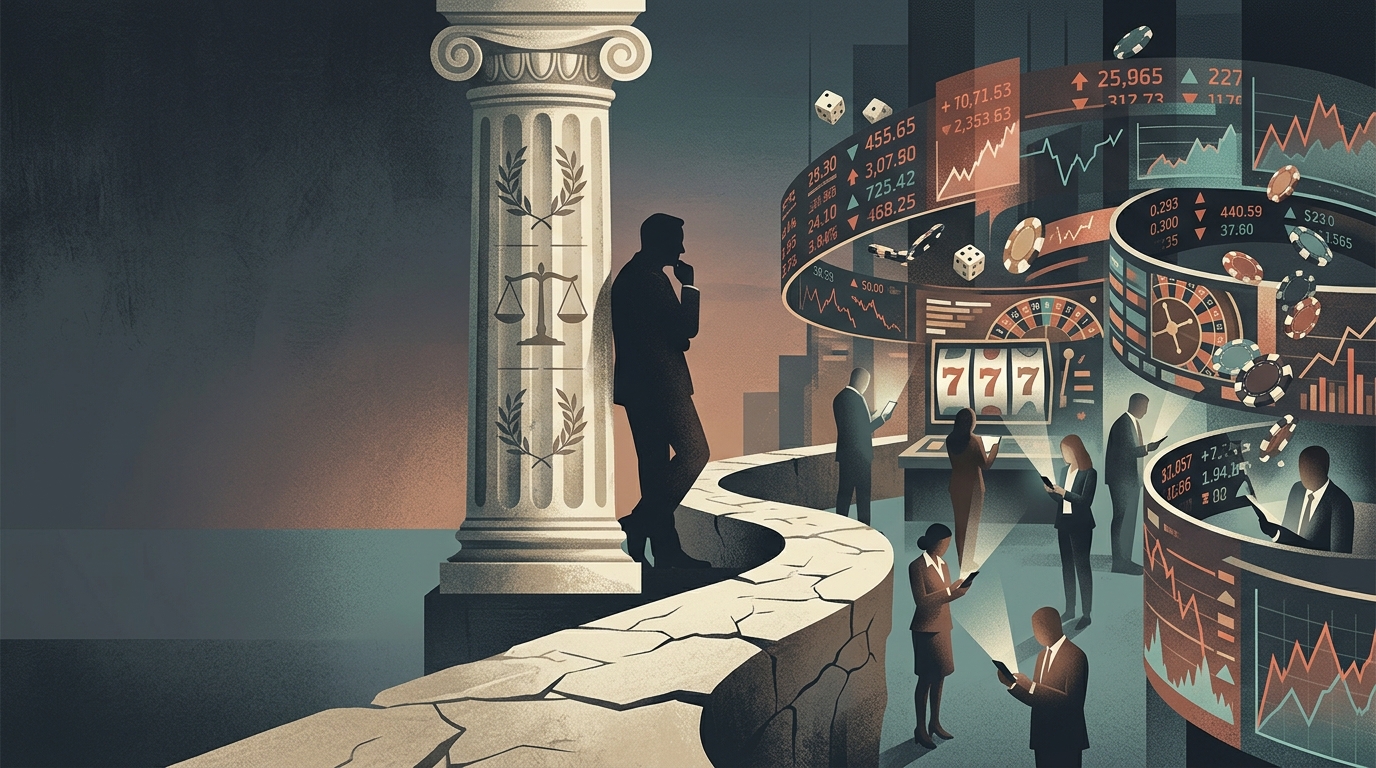
At the annual Berkshire Hathaway shareholders' meeting in Omaha, now firmly established as the "Woodstock of Capitalism," Warren Buffett did not mince his words. At 95, the man who became synonymous with value investing delivered a scathing critique of the current state of global markets. His central observation was jarring in its bluntness: markets no longer function primarily as capital allocation mechanisms for business growth, but as giant casinos fueled by technology and human greed.
The Transformation of Wall Street into Las Vegas
According to Buffett, the behavior of market participants has shifted radically in recent years. "We have never seen people in a more intense mood for gambling," he remarked. Buffett's analysis focuses on how ease of access—through mobile apps and zero-commission trading—has democratized market entry while simultaneously annihilating the time for reflection. Investing, which once required studying balance sheets and long-term commitment, has been replaced by the pursuit of instantaneous price movement.
Buffett argued that Wall Street makes significantly more money when people gamble than when they invest conservatively. Brokerage firms and platforms have every incentive to encourage excessive activity, as every transaction—regardless of whether it is profitable for the client—generates revenue for the system. This dynamic has created an environment where options speculation and high-velocity turnover have become the norm, leading to extreme volatility that is often disconnected from corporate fundamentals.
The Shadow of AI and Algorithms
While Buffett traditionally avoids commenting on the technical minutiae of technology, his intervention this year touched upon the role of Artificial Intelligence (AI) in trading. The rise of algorithms capable of executing thousands of trades per second has exacerbated the "casino" phenomenon. When AI is used to predict crowd behavior and exploit micro-fluctuations, the concept of "owning a business" is lost. To Buffett, a stock is a piece of a living enterprise, not a digital betting slip.
"If you could buy a farm, you wouldn't check its price every five minutes to see if you should sell it. Why then do you do it with stocks?"
The answer lies in the architecture of modern markets, which are designed to trigger dopamine in users, much like gambling. Buffett’s concern is that this mindset erodes the stability of the financial system, as valuations decouple from actual wealth production. The market becomes a feedback loop of sentiment rather than a reflection of economic reality.
Berkshire Hathaway’s Strategy in a Gambling World
Despite his pessimism regarding the market's general direction, Buffett remains steadfast in his principles. Berkshire Hathaway continues to hold massive cash reserves, a fact that suggests the "Oracle of Omaha" finds few attractive opportunities in an environment of inflated valuations. His choice to abstain from the "party" is a statement in itself. For Buffett, discipline is an investor's most critical weapon.
- Focusing on intrinsic value remains the only safe path.
- Avoiding the noise of social media and "hot tips" is essential.
- Understanding that the market is there to serve you, not to instruct you.
In a world moving at breakneck speeds, Buffett’s slow and methodical approach seems anachronistic to many younger investors. However, as he reminded his audience, the house always wins in the end, unless you choose not to play their game. His warning is not just about money, but about the ethics of capitalism: if investing becomes gambling, its social utility is nullified, turning the economy into a zero-sum game where the few profit at the expense of the many. As we navigate the complexities of 2026, his words serve as a sobering reminder that the price of everything and the value of nothing is a recipe for systemic fragility.