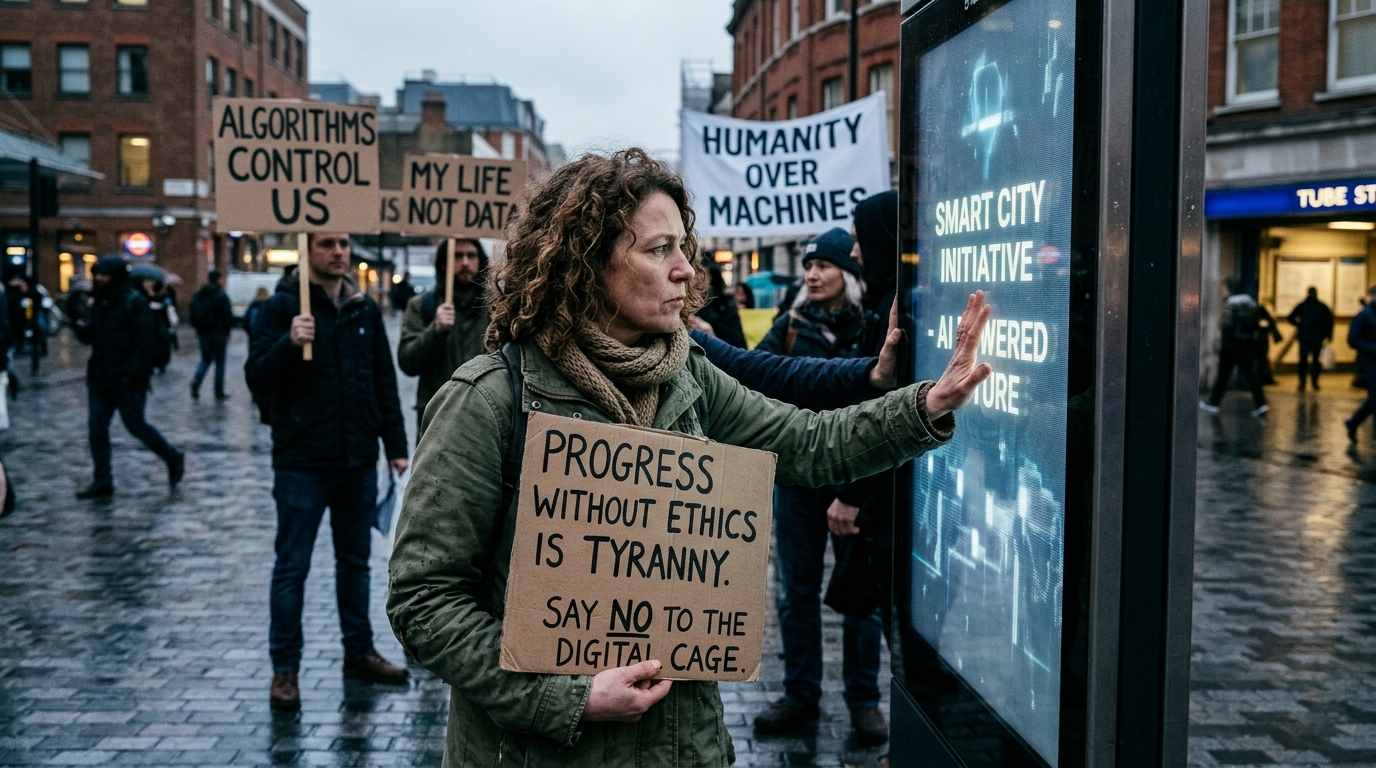
Our digital lives are no longer a series of random choices but a meticulously orchestrated environment shaped by Artificial Intelligence (AI). While social media platforms began as tools for connection, the integration of advanced machine learning algorithms has transformed them into sophisticated attention-mining systems. AI doesn't just suggest content; it learns our deepest vulnerabilities, our insecurities, and our brain's reward mechanisms, turning scrolling into an involuntary reflex.
The Architecture of Addiction: AI as a 'Dopamine Engine'
At the heart of the issue lies Reinforcement Learning. The algorithms governing Meta, TikTok, and Google are not static programs; they are dynamic entities that constantly experiment on the user. Every second we pause on an image, every like, and every share feeds the model with data. The AI learns which types of content trigger dopamine release in our brains, creating a variable reward schedule identical to that used by slot machines in casinos.
The damage, however, goes beyond lost time. AI has the capability to identify when a user is emotionally vulnerable. Research has shown that algorithms can detect signs of depression or anxiety before the user even realizes it. Instead of offering help, they often serve content that reinforces these states, as negative emotions and outrage tend to produce higher engagement rates. The algorithm is indifferent to the user's well-being; its only metric is retention.
The Erosion of Reality through Generative AI
With the advent of Generative AI, the problem enters a new, more dangerous phase. AI-powered beauty filters are no longer just toys; they are tools that distort reality in real-time, creating unattainable standards of beauty. This is leading to an unprecedented crisis of body dysmorphia, particularly among adolescents, who compare themselves not to other humans, but to algorithmically perfect avatars.
Furthermore, the ability of AI to produce hyper-realistic deepfakes and fake news on a massive scale makes social media a minefield of misinformation. The algorithm does not care about truth; it cares about what will keep you on the platform. If an AI-generated conspiracy theory generates more clicks than a verified news report, the AI will promote it aggressively, eroding the common fabric of our social reality and making objective truth feel like a relic of the past.
The Politics of Rage and Digital Echo Chambers
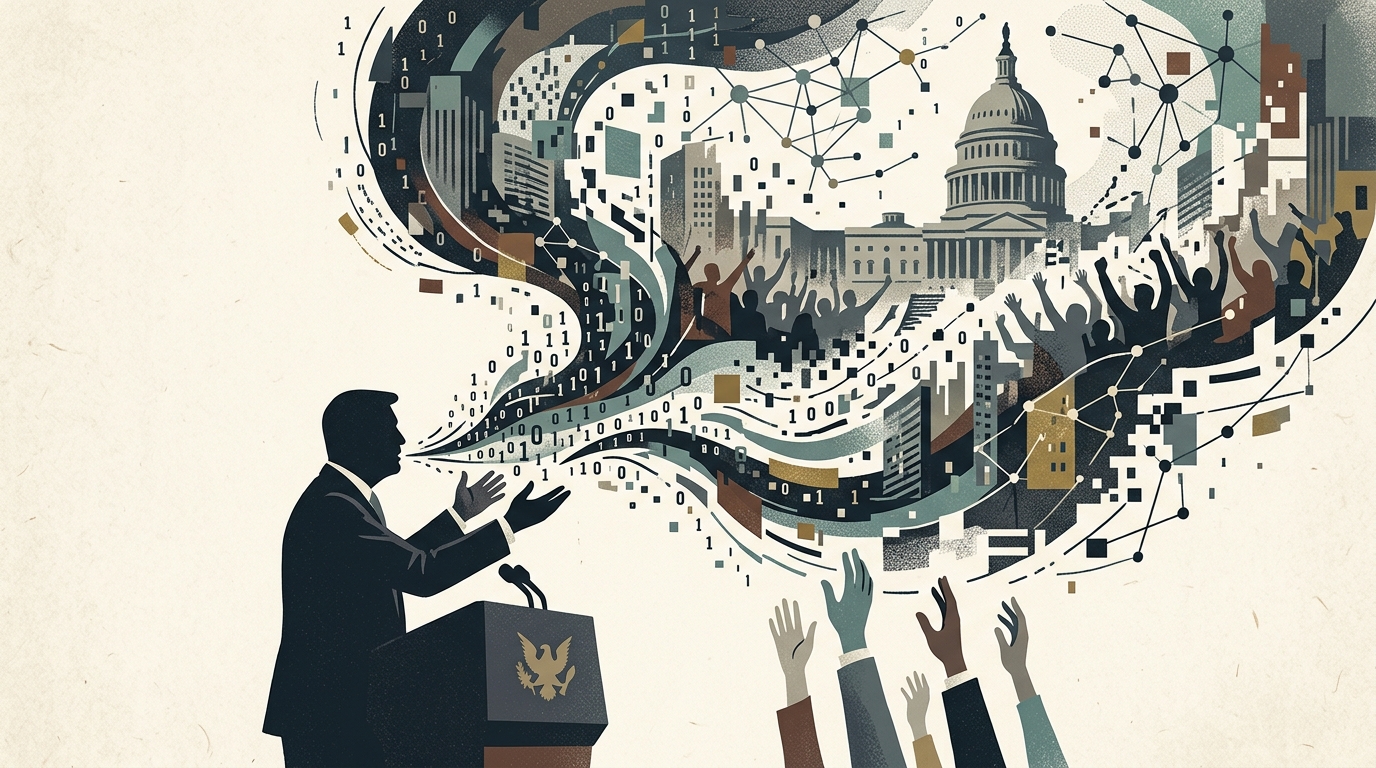
One of the most destructive impacts of AI on social media is the creation of 'echo chambers.' Algorithms are designed to show us content that aligns with our existing views. This constant confirmation leads to extreme polarization. AI recognizes that content provoking outrage against 'the other side' is highly addictive. Consequently, it transforms political discourse into an arena where moderation vanishes and extremism is algorithmically rewarded.
On a global scale, this has led to the destabilization of democratic processes. AI can analyze millions of user profiles and send micro-targeted messages that exploit the fears of specific population groups. The technology that promised to bring the world closer together is now being used to divide it with surgical precision, fueled by black-box algorithms that prioritize profit over social cohesion.
Seeking the Solution: Regulation or Abstinence?
Addressing this crisis requires a multi-layered approach. Tech giants claim that AI is the solution for identifying harmful content, but this is akin to asking an arsonist to put out the fire. The need for strict legislative regulation, such as the European Union's Digital Services Act (DSA), is imperative. Algorithms must become transparent, and companies must be held accountable for the psychological and societal impacts of their products.
On an individual level, 'digital hygiene' is becoming an essential survival skill. Understanding that our feed is not an objective view of the world, but a construct designed to keep us captive, is the first step toward liberation. Returning to human, non-algorithmically mediated interactions may be the only meaningful resistance to algorithmic dominance. We must decide whether we are the masters of our tools or merely the fuel for their growth.