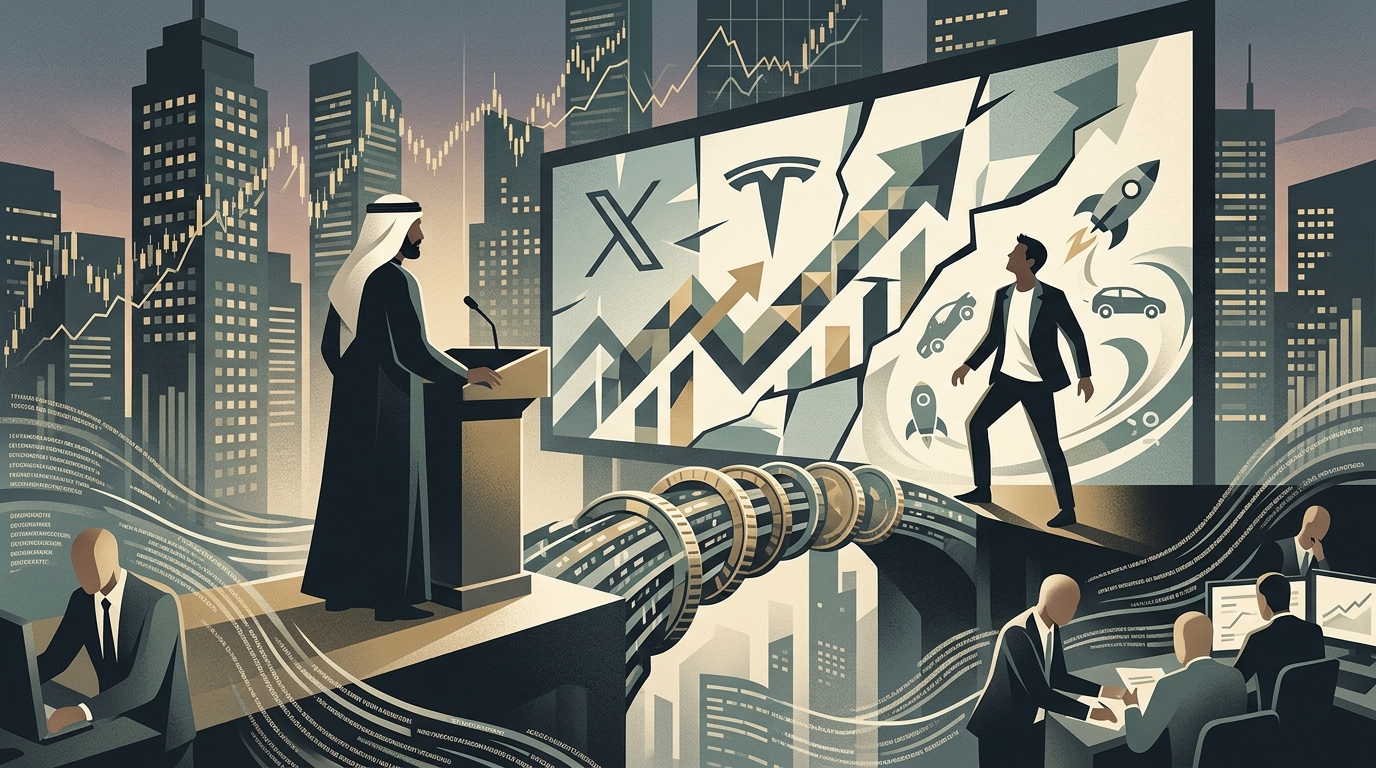
In the landscape of modern techno-capitalism, Elon Musk is not merely an entrepreneur; he is a geopolitical actor pulling the strings of global financial flows. His recent "financial battle," ranging from Delaware courtrooms over his Tesla compensation package to the meteoric rise of xAI, reveals something far deeper than personal ambition: the emergence of a new "gold mine" built on computational power and data.
Musk’s strategic pivot toward Artificial Intelligence (AI) is not just a business move, but an acknowledgment that future value will not be generated by products themselves, but by the infrastructure that enables intelligence. This "new gold mine" is reshaping how capital moves globally, forging new alliances and elevating emerging economies, such as Vietnam, into critical nodes of the AI supply chain.
Computational Capital: The New Oil
For decades, the global economy revolved around fossil fuels. Today, the "energy" driving markets is the processing power of GPUs. Musk, through xAI and Tesla, is amassing a fleet of hundreds of thousands of Nvidia chips, creating an asset class more liquid and valuable than gold. A company's ability to train Large Language Models (LLMs) is now considered the ultimate metric of its capital adequacy.
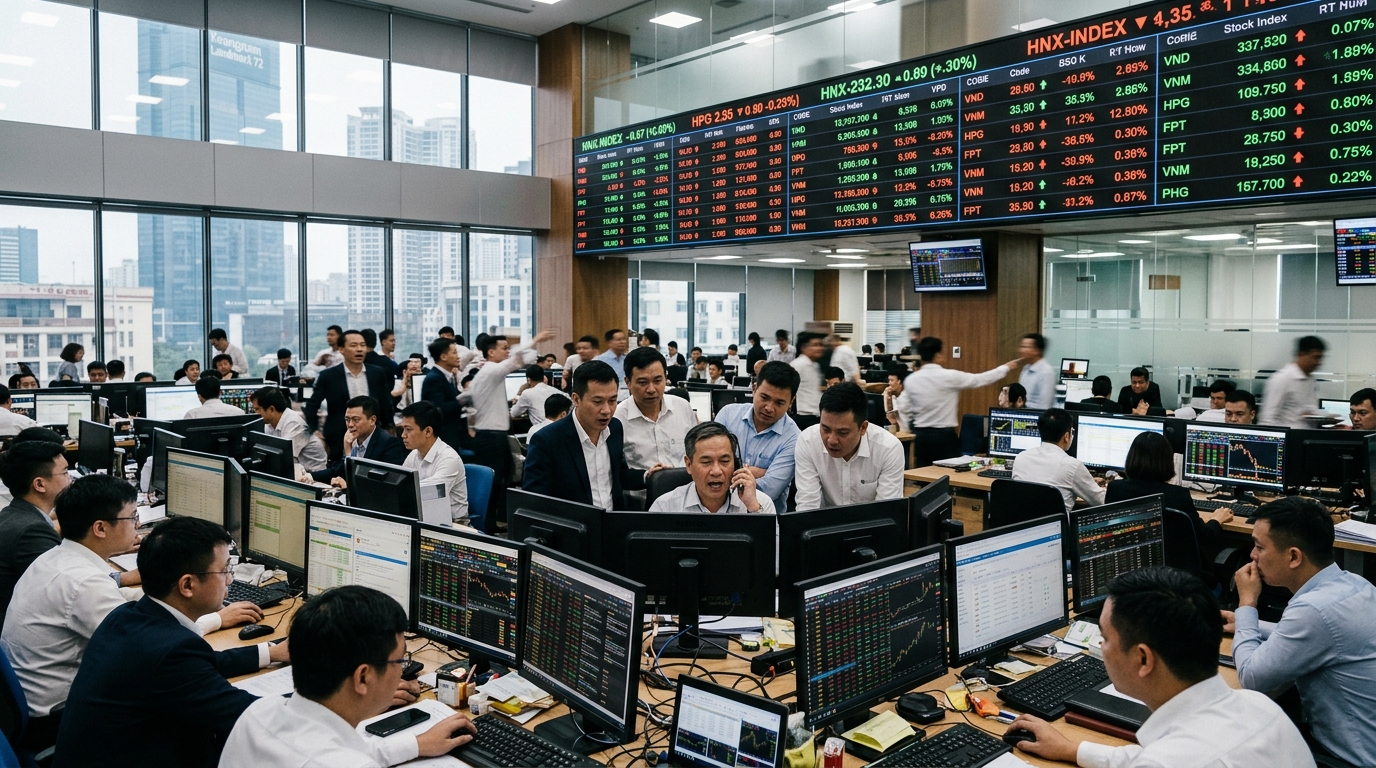
This demand for infrastructure is leading to a massive reallocation of capital. Investors are no longer just looking for the next software app; they are looking for where the next data gigafactories will be built. This explains why Southeast Asian nations like Vietnam are attracting billions in investment for semiconductor manufacturing and data centers. Vietnam, in particular, is positioning itself as the alternative "silk road" for technology, offering low production costs and a growing talent pool at a time when Musk is seeking to diversify his production base away from China.
The Transformation of X and Financial AI
One of Musk's most ambitious plans is transforming the X platform (formerly Twitter) into an "everything app" that includes a full-fledged financial system. Integrating AI into this ecosystem isn't just about content moderation; it's about automated wealth management and real-time payments. This is where the real battle lies: whoever controls the AI interface controls the financial transactions of the future.
xAI, with a valuation already approaching $24 billion, isn't just competing with OpenAI or Google. It is competing with traditional banks. If AI can predict market movements and execute trades with zero error, the center of gravity of the global economy shifts from Wall Street to Musk's algorithms. This creates a formidable concentration of power that is raising red flags for regulators in both the US and the EU.
Geopolitical Implications and Risks
Musk's battle does not take place in a vacuum. His moves influence national strategies. His decision to invest in specific regions can upgrade or downgrade entire economies. The case of Vietnam is indicative: the country is trying to balance between the US and China, and the presence of tech giants supporting Musk's ecosystem serves as a guarantee of economic security.
However, there is a darker side. The global economy's reliance on the whims of a single individual, however brilliant, carries systemic risks. If the AI "bubble" bursts, or if Musk's infrastructure proves less efficient than expected, the tremors will be felt in every corner of the globe. The "new gold mine" could easily turn into a capital black hole without the necessary institutional safeguards.
- Dominance in GPUs represents the new geopolitical leverage.
- Vietnam is emerging as a central player in AI hardware manufacturing.
- xAI aims to disrupt the traditional banking system through algorithmic finance.
- The concentration of power in Musk's hands raises serious governance questions.
In conclusion, Elon Musk's financial battle is the first act of a drama that will define the 21st century. It is not just about money; it is about controlling the intelligence that will run the world. As capital flows toward these new power centers, humanity must decide whether to be a participant or a mere spectator in this digital revolution.