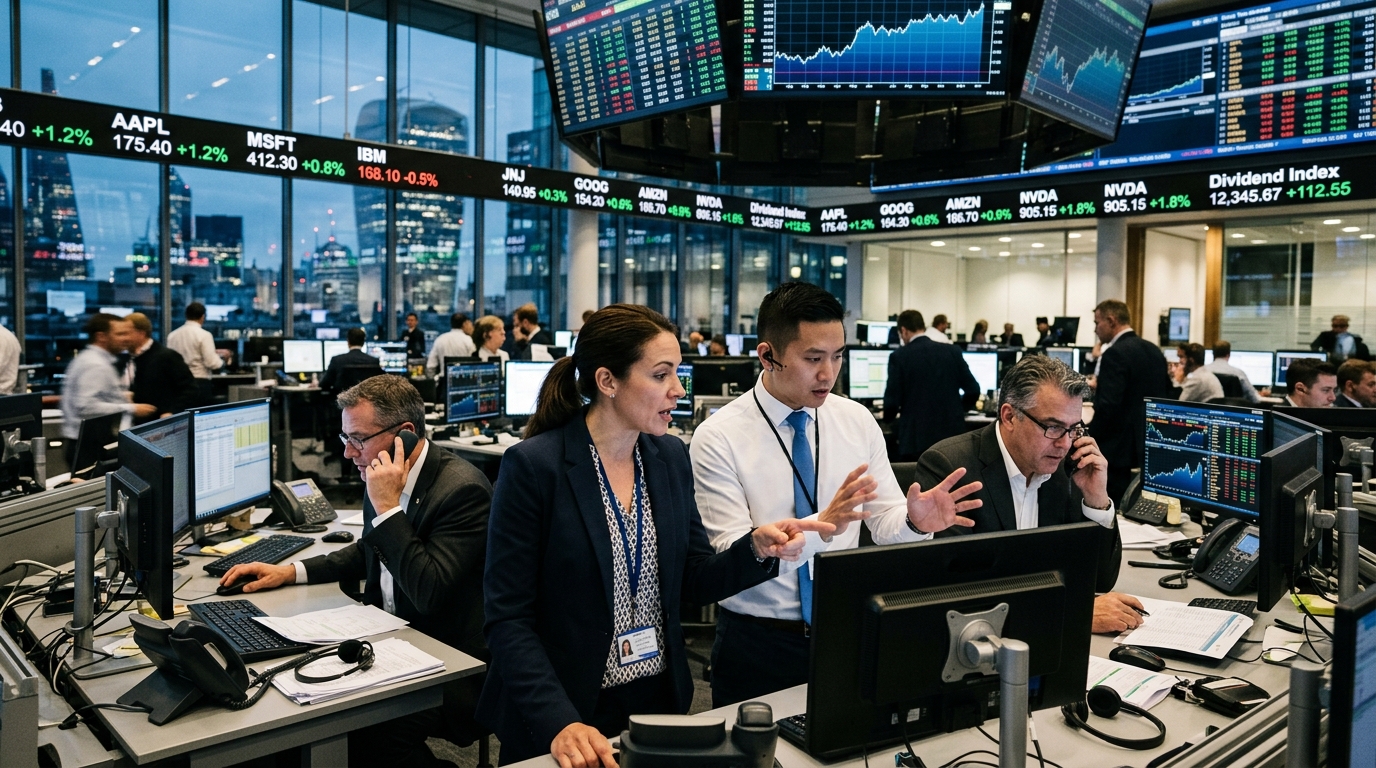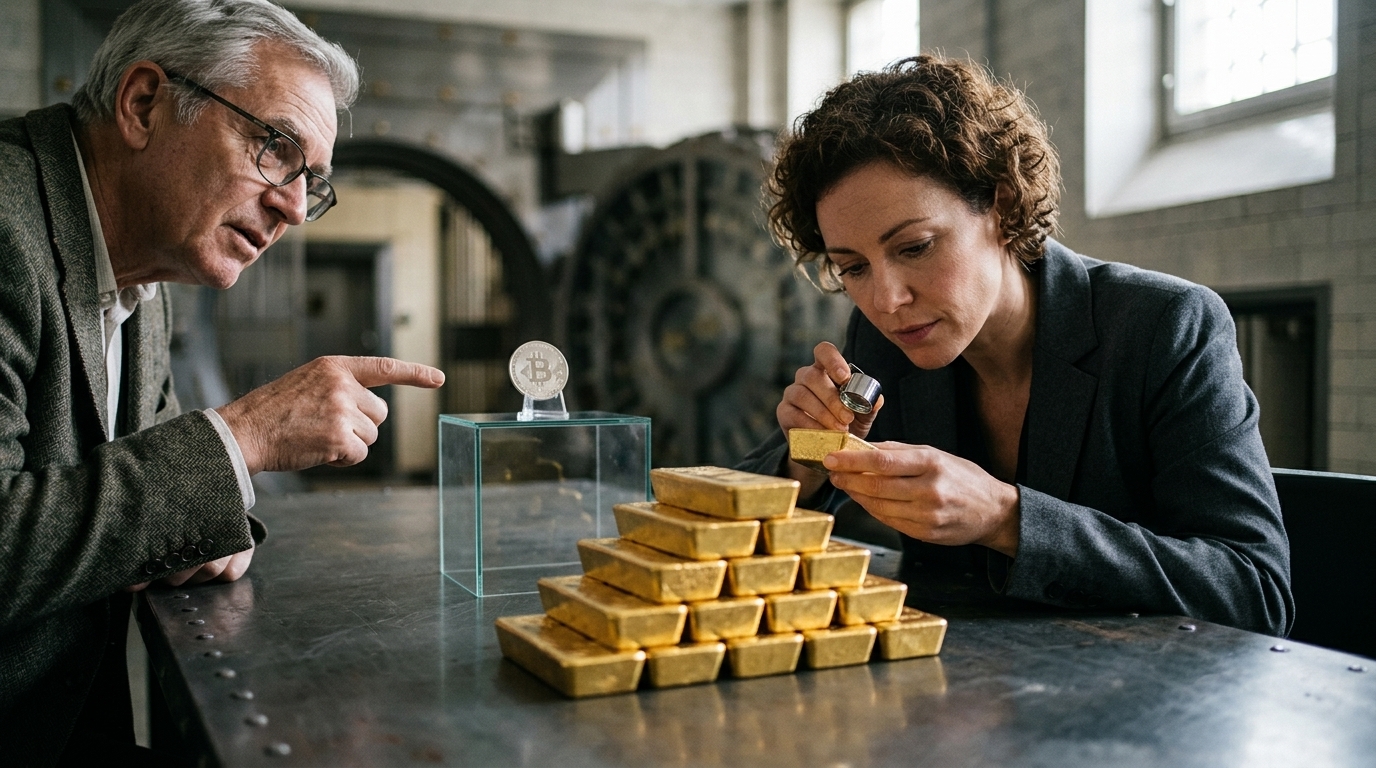
In the volatile global economic landscape of 2026, a fundamental paradigm shift is occurring within major investment portfolios. The narrative that positioned Bitcoin as the "digital gold" of the 21st century is facing its most significant challenge yet, as data from recent quarters shows a massive return of institutional capital to the traditional precious metal. A recent report by Fortune Greece highlights a trend that many analysts deemed unlikely two years ago: "smart money" is no longer just chasing outsized returns; it is seeking tangible security.
The Exodus from Crypto ETFs
The introduction of Spot Bitcoin ETFs in 2024 was hailed as the "coming of age" moment for cryptocurrencies. However, two years later, investor fatigue is palpable. Capital outflows from major exchange-traded funds tracking Bitcoin's price have reached landslide proportions. According to the latest data, billions of dollars have been withdrawn from digital assets, destined for Gold ETFs and physical bullion.
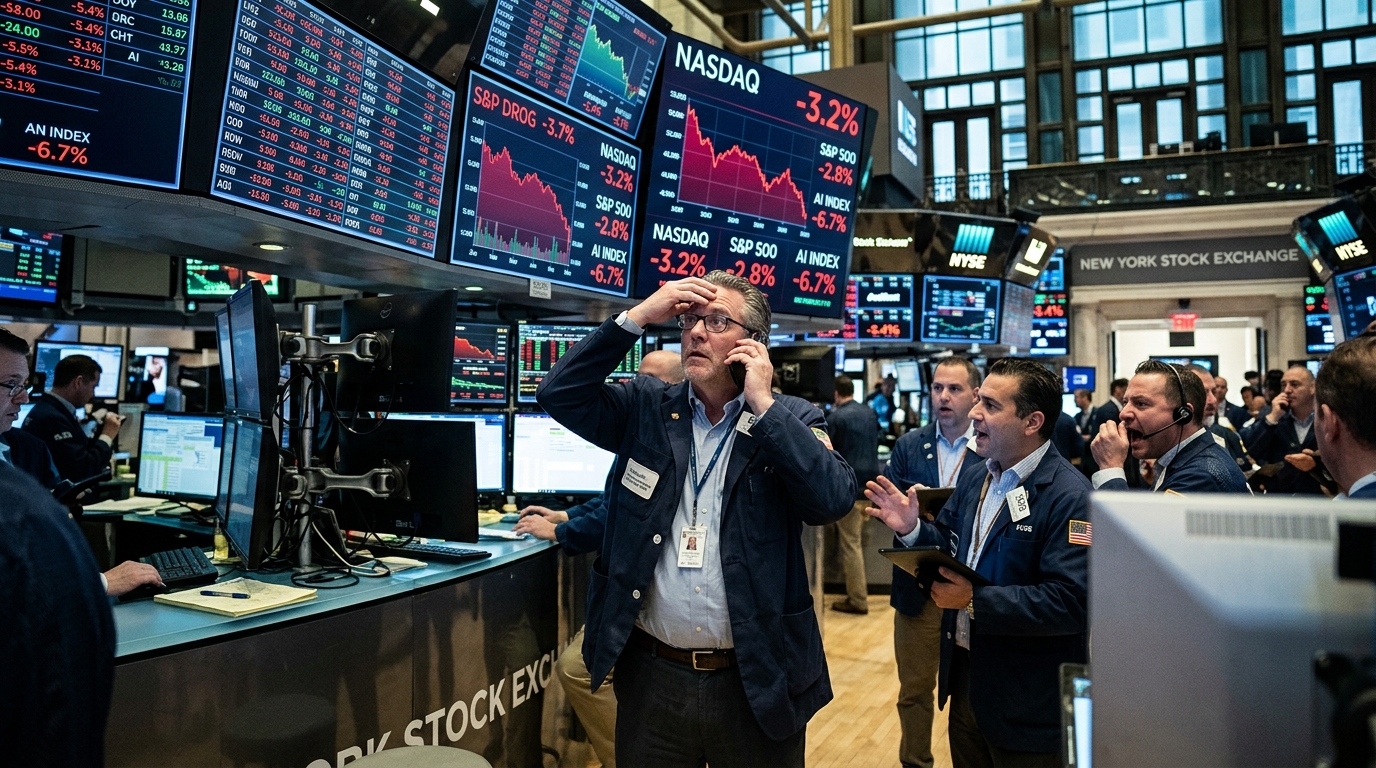
The cause of this pivot is not merely volatility. Institutional investors, from pension funds to family offices, are realizing that Bitcoin, despite its technological prowess, remains tightly correlated with technology stocks and risk-on assets. When markets are rattled by geopolitical tensions or central bank uncertainty, Bitcoin tends to mirror the downward trajectory of the Nasdaq, failing to function as an independent safe haven.
Gold as the Ultimate Geopolitical Hedge
While Bitcoin grapples with regulatory pressures and its energy consumption footprint, gold is experiencing a new "golden age." The metal's price has shattered successive records throughout 2026, fueled by the need for central banks—particularly in Asia and the Middle East—to diversify their reserves away from the dollar. Unlike Bitcoin, gold does not depend on the internet, electricity, or the consensus of an algorithm. It is an asset without counterparty risk, which in times of global instability becomes the supreme value.
- Geopolitical Instability: Conflicts on multiple global fronts have pushed investors toward assets that have proven their worth for millennia.
- Inflationary Pressures: Despite central bank efforts, persistent inflation makes "hard" assets more attractive for wealth preservation.
- Market Psychology: The "new toy" luster of crypto seems to be giving way to the realism of capital preservation.
"Gold is not just a metal; it is the memory of value. Bitcoin is a promise of the future, but in times of crisis, people prefer memory over promises," notes a leading Wall Street analyst.
The Verdict for the Future
Does this mean the end of Bitcoin? Far from it. Bitcoin is evolving into a specialized financial tool for the digital economy, but it is losing the battle for the title of the sole "safe haven." The market is now decoupling speculative value from strategic wealth storage. The "smart money" of 2026 does not choose sides based on ideology, but based on risk management. And currently, risk demands the weight and history of gold. The reversal we are witnessing is a return to the roots of economic thought, where the tangible outweighs the digital when the clouds of crisis thicken.
In conclusion, the Bitcoin-Gold dynamic is no longer a zero-sum game but a reminder that economic history repeats itself. The investors who will survive this decade are those who understand that innovation needs tradition to maintain balance. Gold remains the king of protection, while Bitcoin remains the prince of volatility.