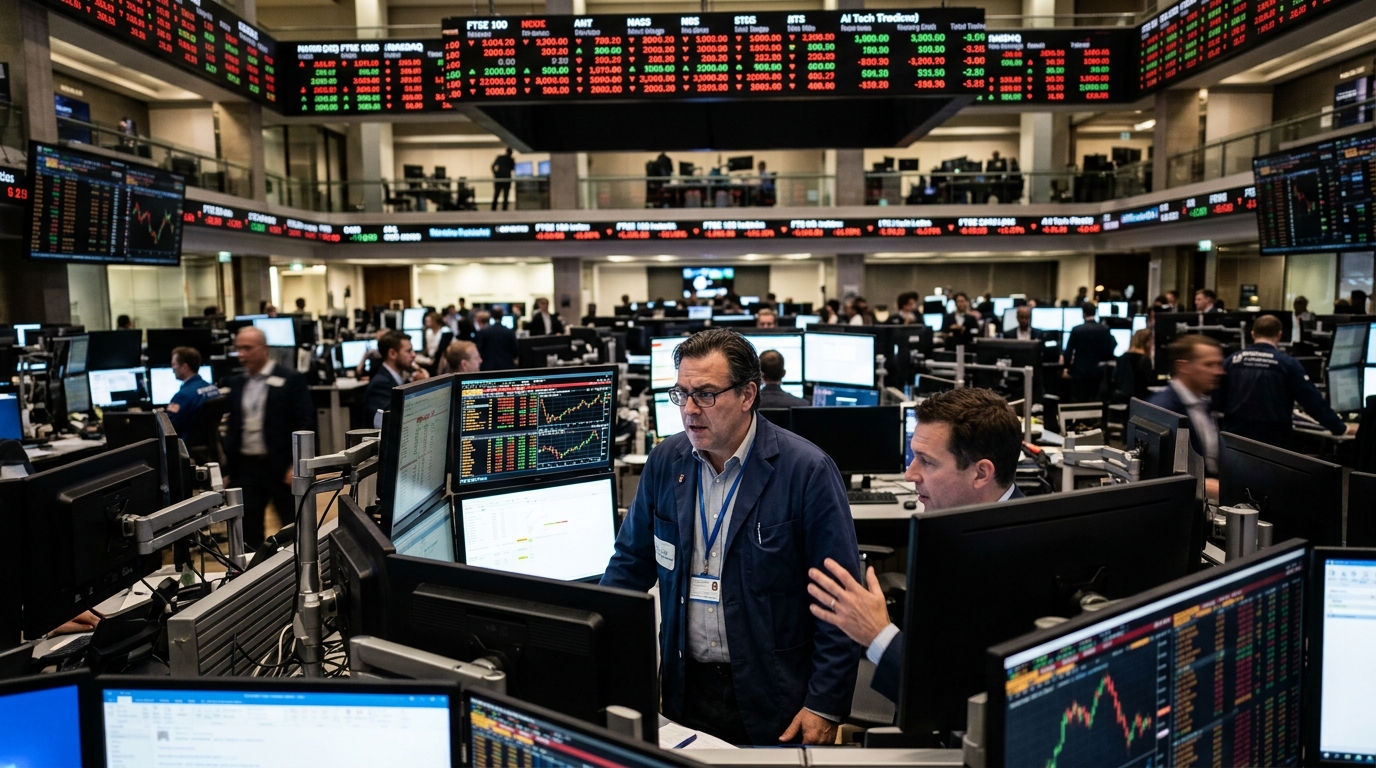
The global investment community finds itself in a state of perpetual tension, trying to balance the exhilaration of Artificial Intelligence (AI) with the haunting memory of the dot-com bubble. Against this backdrop, Barclays has released a new analysis offering a dose of calculated optimism. Despite visible signs of 'froth' or excess in certain market segments, the bank's analysts see further upside for equities, arguing that the current momentum is fundamentally different from previous speculative manias.
The Fundamental Difference: Earnings vs. Hype
According to the Barclays report, the primary distinction between 2026 and the 1999 era is the quality of earnings. While the 2000 bubble was fueled by expectations of future revenues that never materialized, today’s tech titans—the so-called 'Magnificent Seven' and their successors—are delivering real, measurable profitability. The demand for AI infrastructure, semiconductors, and cloud services is no longer theoretical; it is reflected in balance sheets with billions of dollars in cash flows.
Barclays notes that while price-to-earnings (P/E) ratios are elevated, they are not at the irrational levels seen in the past. "We are not in a situation where investors are buying hope alone," the report states. "They are buying the efficiency and productivity that AI is already delivering to enterprises." This shift toward 'rational exuberance' suggests that the market still has fuel to continue its upward trajectory, provided corporate results continue to surprise to the upside.
Concentration Risk and the Macroeconomic Shadow
Despite the bullish outlook, Barclays does not ignore the risks. One of the most significant is extreme market concentration. A small handful of companies are responsible for the lion's share of the S&P 500's gains, making the index vulnerable to disappointing news from a single player. If Nvidia or Microsoft were to show a slowdown, the impact on market sentiment could be disproportionately large.
Furthermore, the macroeconomic environment remains fluid. With interest rates staying higher for longer than previously anticipated, the cost of capital for smaller tech firms is rising. Barclays warns that the 'decoupling' between tech giants and the broader economy cannot persist indefinitely. A 'soft landing' for the economy is a necessary prerequisite for maintaining investor confidence throughout the year.
"The market can stay irrational longer than you can stay solvent, but in the case of AI, the logic seems to be following the numbers."
Investment Strategy: Selective Positioning
Barclays' recommendation to its clients is not blind buying, but selective positioning. The bank suggests pivoting toward companies that are not just 'providers' of AI technology, but also 'users' who can improve their profit margins through automation. Healthcare, financial services, and industrial manufacturing are expected to be the next major beneficiaries of the AI revolution.
In conclusion, Barclays believes the current rally has solid foundations. While corrections are inevitable and healthy in a bull market, the structural change AI brings to the global economy is so profound that it justifies remaining overweight in equities. The challenge for the remainder of 2026 will be distinguishing the true winners from those merely riding the marketing wave of the era.